Author: Fortitude

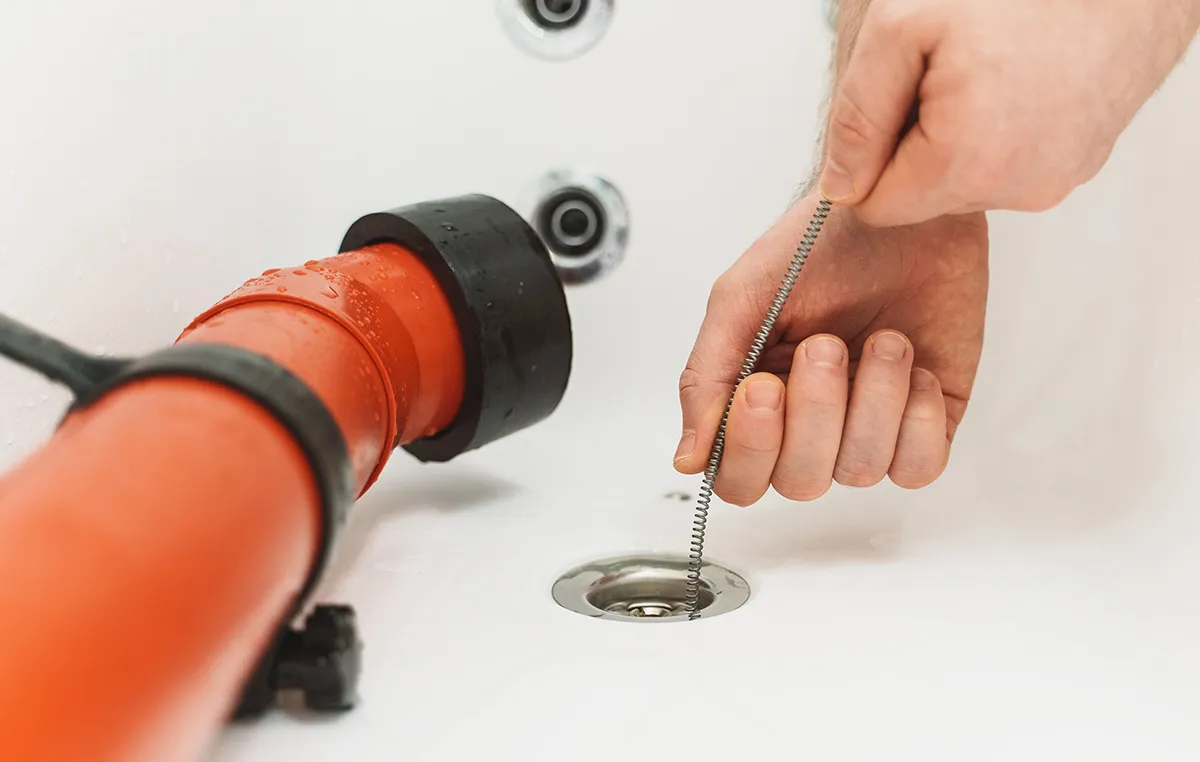
backed up sewer line Gastonia NC

Backed Up Sewer Line Gastonia NC | Fast Emergency Repair

If you’re searching for backed up sewer line Gastonia NC help, you’re likely dealing with one of the most stressful plumbing emergencies a homeowner can face. A sewer backup can bring multiple drains to a standstill, create unpleasant odors throughout your home, and send wastewater into places it should never go. Because your sewer system handles wastewater from every fixture under your roof, even a partial blockage can quickly escalate into a messy problem affecting toilets, showers, sinks, and floor drains.

We’ve helped countless Gastonia homeowners resolve sewer line issues caused by tree root intrusion, aging cast iron pipes, grease buildup, and shifting soil conditions common in our area. In this post, we’ll walk you through the warning signs that point to a sewer problem. We’ll also explain what typically causes these backups and show you when it’s time to call our certified technicians for fast, professional diagnosis and repair.

Root Causes Behind Gastonia’s Most Common Sewer Blockages

Understanding why sewer lines back up helps homeowners recognize problems early and avoid serious damage. In our experience serving Gastonia, we see several common culprits behind these messy, disruptive plumbing emergencies. Tree root intrusion tops the list—mature oaks and other trees throughout Gastonia neighborhoods naturally seek out moisture. Their roots can infiltrate even small cracks in older sewer pipes. Once inside, roots create blockages that trap waste and debris. Many homeowners throughout Gastonia discover that their backed up sewer line Gastonia NC problem stems directly from aggressive root systems that have been growing undetected for years beneath their property.

The EPA identifies blockages as one possible cause of sanitary sewer overflows, which can back up into homes, cause property damage, and threaten public health.

We also frequently encounter backups caused by flushed items that should never enter the drain system. These include wipes marketed as “flushable,” feminine hygiene products, paper towels, and excessive amounts of toilet paper. Grease buildup from kitchen drains is another major factor. Liquid cooking oil solidifies inside pipes and accumulates over time.

Older homes may have clay or cast-iron sewer lines that have deteriorated, collapsed, or separated at the joints. This creates low spots where material collects. According to the Four Rivers Sanitation Authority, sewer backups can expose homeowners to bacteria causing severe health risks. These include infections and gastrointestinal illness, making prompt professional diagnosis essential. Local soil conditions in Gastonia also contribute to pipe shifting and separation, which can trigger a backed up sewer line Gastonia NC homeowners need to address before raw sewage floods living spaces.

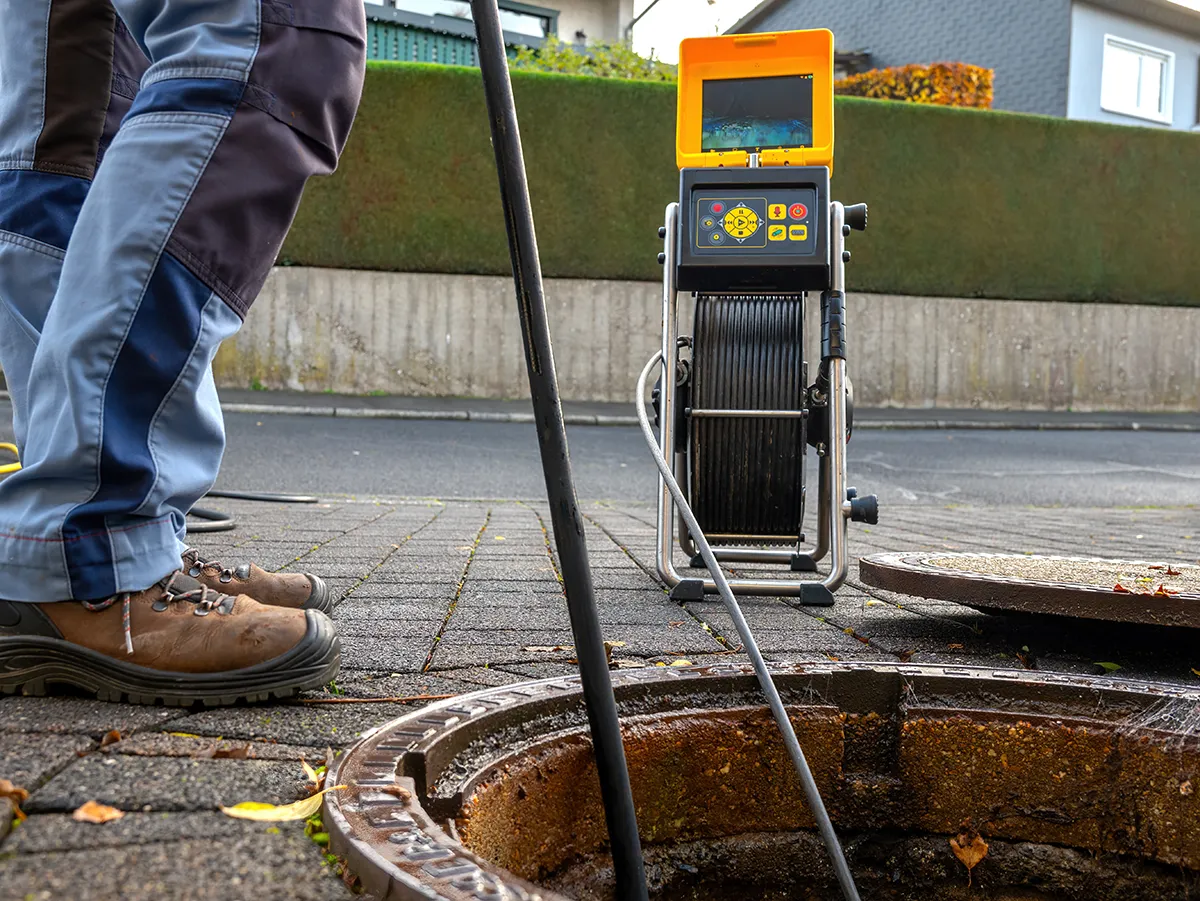
When you notice warning signs, our licensed technicians use video camera inspection to pinpoint the exact cause and location of your backup. This ensures we recommend the right solution for your specific situation and restore normal function to your plumbing system quickly.

Early Symptoms That Signal Serious Sewer Trouble Ahead

Recognizing the early symptoms of a sewer line problem can save Gastonia homeowners from a messy, expensive emergency. We always tell our customers that multiple slow drains throughout the home often signal a main sewer line issue. This is especially true when toilets, showers, and sinks all struggle at the same time. Another red flag is water backing up in unexpected places. For instance, flushing an upstairs toilet causes your basement floor drain or bathtub to gurgle or overflow. These cross-fixture reactions mean wastewater has nowhere to go but back into your home.

You might also notice persistent sewage odors near drains or in your yard. Similarly, soggy patches of grass above your sewer line or indentations in the lawn where the ground has settled are concerning signs. If you hear frequent gurgling sounds from toilets or drains when no fixtures are running, that air displacement indicates a developing blockage. Tree roots can grow into sewer pipes through small cracks or joints. They gradually restrict flow until a complete backup occurs. Ignoring these early warnings often leads to a fully backed up sewer line Gastonia NC residents must then address through emergency service calls, which can be both stressful and costly.

At the first sign of these symptoms, contact Superior Plumbing and Drains immediately. Our certified technicians use video camera inspections to pinpoint the exact location and cause. This allows us to recommend the most effective repair before a full-scale backup floods your home.

Health Risks and Property Damage from Sewer Backups

A backed up sewer line in Gastonia NC isn’t just an unpleasant inconvenience—it’s a genuine threat to your family’s health and your home’s structural integrity. Raw sewage carries harmful bacteria, viruses, and parasites. These include E. coli, salmonella, and hepatitis A. When contaminated water backs up into your living spaces, every surface it touches becomes a biohazard. Children, elderly family members, and anyone with a compromised immune system face the greatest risk of serious illness from exposure. The longer you delay addressing a backed up sewer line Gastonia NC emergency, the more extensive the contamination becomes throughout your home’s flooring, walls, and personal belongings.

The property damage can be equally devastating. Sewage-soaked carpets, drywall, and subflooring often require complete replacement rather than cleaning. Moisture trapped in walls creates the perfect environment for toxic mold growth within 24 to 48 hours. We’ve seen foundation damage, ruined HVAC systems, and electrical hazards all stemming from a single severe backup. The longer contaminated water sits, the more expensive cleanup becomes.

At Superior Plumbing and Drains, we treat every sewer backup as the urgent situation it is. Our certified technicians respond quickly to assess the damage and identify the blockage source. We also work to restore safe, sanitary conditions to your Gastonia home. Don’t wait when you spot the warning signs—call us immediately to protect both your family’s health and your most valuable investment.

Advanced Camera Inspection Reveals Hidden Pipe Problems

When you call Superior Plumbing and Drains for a sewer line emergency, our licensed plumbers begin with a thorough assessment. We pinpoint exactly where the blockage exists and what’s causing it. We start by asking questions about your symptoms—which drains are affected, how quickly water backs up, and whether you’ve noticed any outdoor warning signs. These might include soggy patches in your yard or foul odors near cleanout access points. Our systematic approach to diagnosing a backed up sewer line Gastonia NC properties experience ensures we don’t waste time on guesswork or trial-and-error repairs.

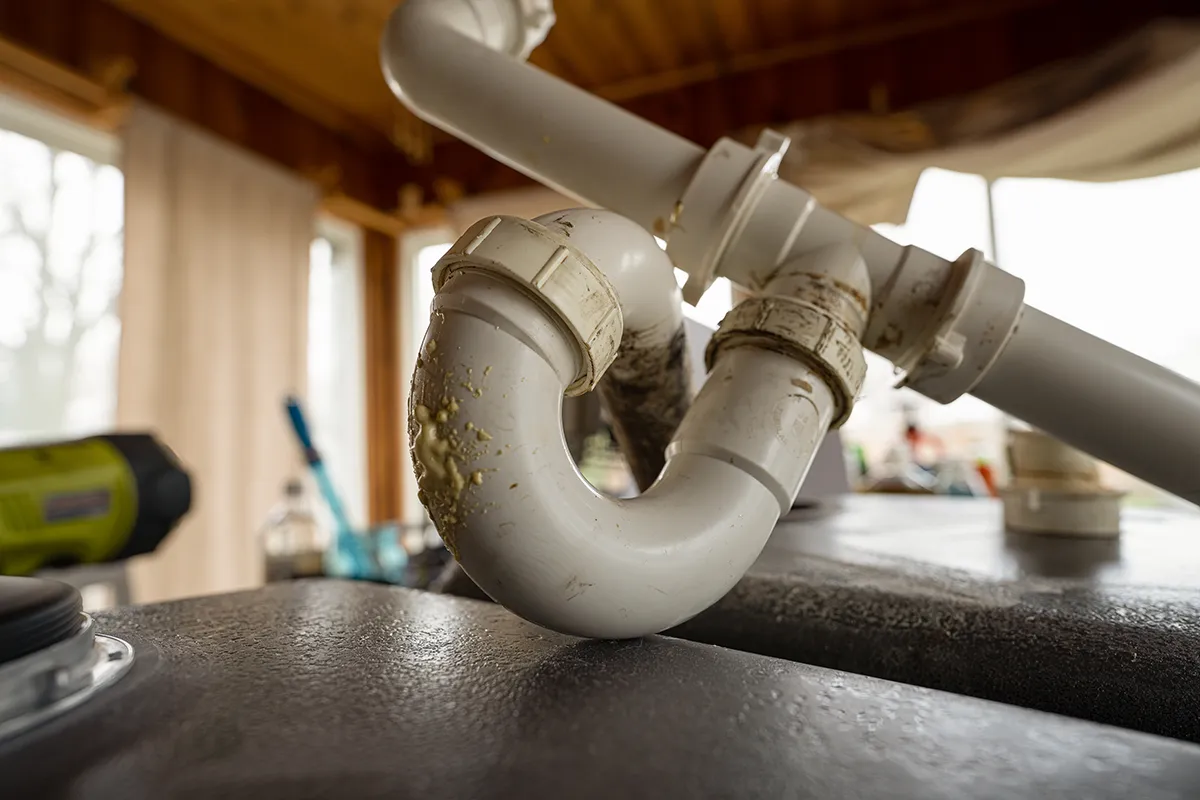
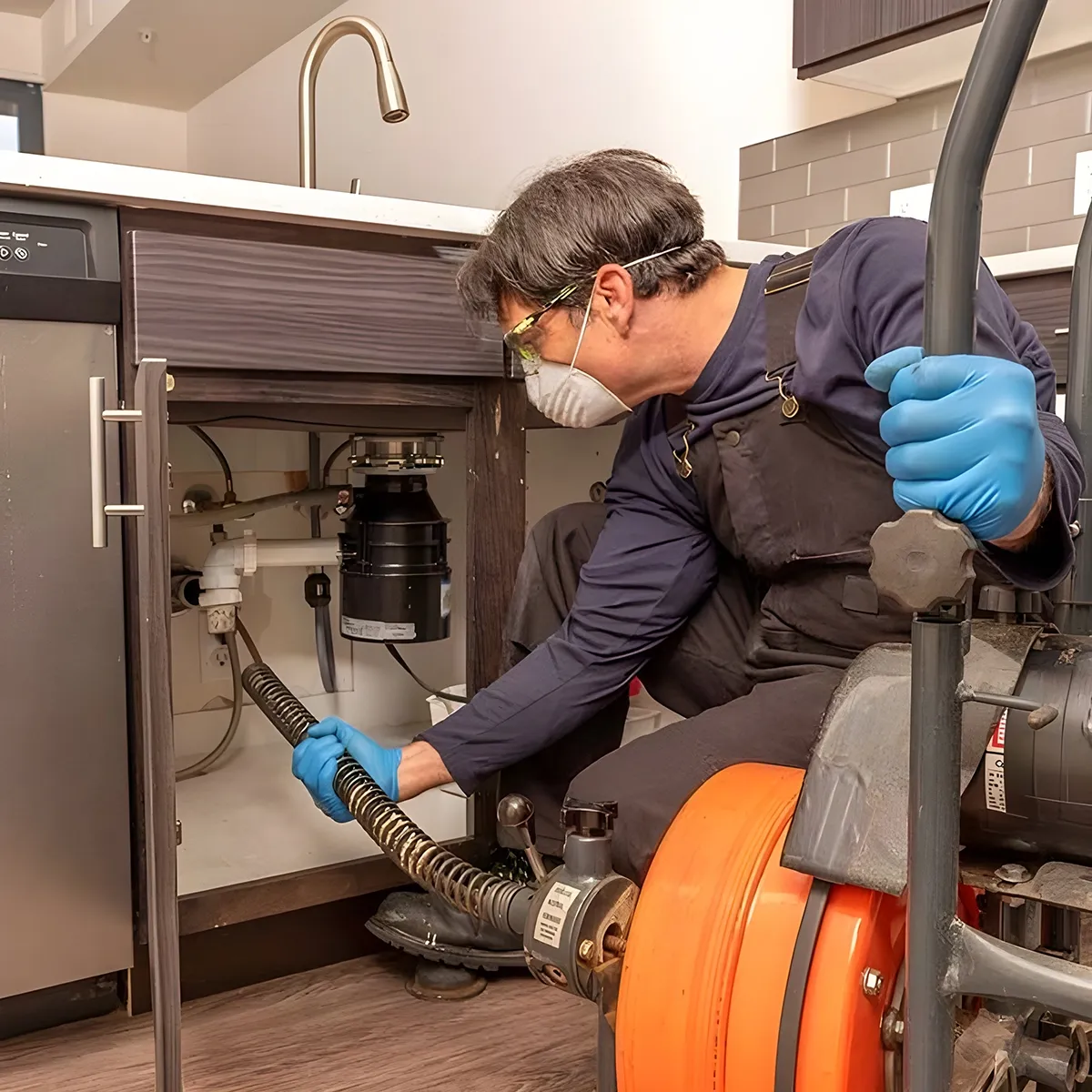
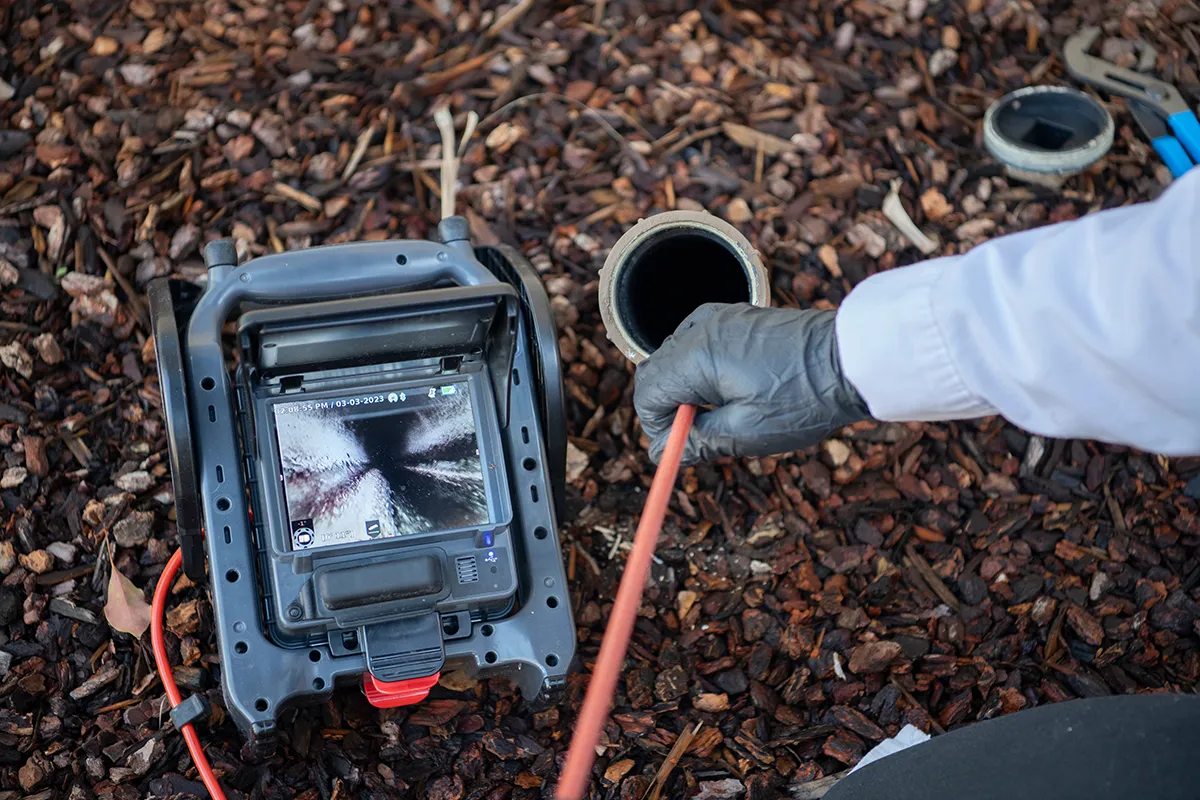
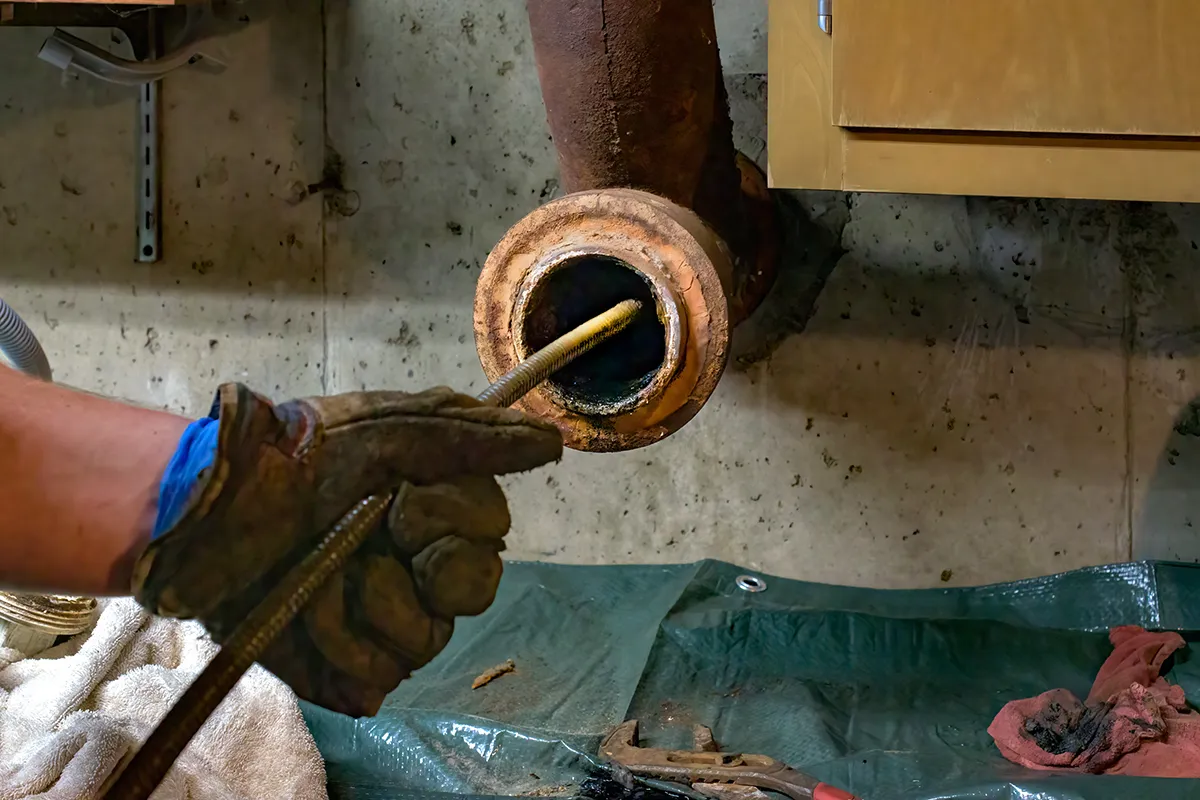
Our technicians use professional-grade video camera inspection equipment to visually examine the inside of your sewer line from access points. This camera travels through the pipe and transmits real-time footage. It allows us to see tree root intrusion, collapsed sections, grease buildup, or foreign objects lodged in the line. We can measure the exact depth and location of the problem. This is critical for determining the most effective solution for your situation.

This diagnostic process gives you clear answers and eliminates guesswork. We’ll explain what we found and show you the camera footage if helpful. Plus, we’ll recommend the right repair approach for your specific situation—so you can make an informed decision and get your plumbing system back to normal quickly.

Critical Situations That Demand Immediate Professional Response

Some sewer problems can wait until regular business hours, but certain situations demand immediate attention from a licensed plumber. If you’re experiencing sewage backing up into multiple drains at once, raw sewage pooling in your yard, or wastewater flooding your basement, these are true emergencies. Any backed up sewer line Gastonia NC scenario that’s causing active flooding poses serious health hazards. It can also damage your home’s foundation, flooring, and belongings within hours, making every minute count when it comes to preventing long-term structural issues.

Call us immediately if you notice sewage odors intensifying rapidly or hear gurgling sounds from multiple fixtures at once. Also contact us if you see water backing up when you flush a toilet. These symptoms indicate a severe blockage or break that won’t resolve on its own. We also recommend emergency service if you’ve attempted to fix a clogged drain and the problem has worsened. This may signal a main line issue that requires professional camera inspection and specialized equipment.

Problems that can typically wait until morning include slow-draining sinks in a single fixture, minor gurgling from one drain, or faint sewer odors that aren’t worsening. However, when in doubt, our team at Superior Plumbing and Drains is available 24/7 to assess the urgency of your situation. We’ll dispatch a technician when needed.

Get Your Backed Up Sewer Line Fixed Fast

When you’re dealing with a backed up sewer line in Gastonia NC, you need help immediately—not tomorrow or next week. That’s why we offer same-day emergency service for sewer line problems. Our experienced technicians are ready to respond quickly and diagnose the root cause of your backup. We’ll also get your plumbing system flowing properly again.

When you contact Superior Plumbing and Drains, we’ll start by asking a few quick questions about your symptoms. This helps us arrive prepared with the right equipment. Our team uses professional-grade video camera inspection systems to see exactly what’s happening inside your sewer line. We can identify tree roots, collapsed pipe sections, grease buildup, or other obstructions. We’ll explain what we find in plain language and provide you with honest repair options that fit your situation and budget.

Don’t let a sewer backup disrupt your home and family any longer than necessary. Our licensed plumbers understand the urgency of these situations and treat every call with the priority it deserves. Give us a call, and we’ll dispatch a certified technician to your Gastonia home as quickly as possible to restore your peace of mind.

Frequently Asked Questions

What are the first signs of a backed up sewer line in Gastonia NC?

The earliest warning signs include multiple drains running slowly throughout your home. You might also hear gurgling sounds from toilets when other fixtures are used. Water backing up in unexpected places like your bathtub when you flush a toilet is another key sign. You might also notice persistent sewage odors indoors or soggy patches in your yard. At the first sign, call Superior Plumbing and Drains for professional camera inspection to prevent a full backup.

How much does it cost to fix a backed up sewer line?

Repair costs vary widely based on the cause, location, and severity of your blockage. Our licensed technicians provide upfront pricing after video camera inspection shows us exactly what’s wrong. We’ll explain your options clearly so you can make an informed decision for your Gastonia home.

Can a backed up sewer line in Gastonia NC fix itself?

No, sewer line backups never resolve on their own. In fact, blockages caused by tree roots, grease buildup, or deteriorating pipes only worsen over time. What starts as slow drainage can quickly escalate to raw sewage flooding your home. Because these issues pose serious health risks and property damage, we recommend immediate professional diagnosis and repair.

How long does sewer line repair take?

Most sewer line repairs are completed within a few hours to one day, depending on the problem’s severity. Our certified technicians work efficiently to restore your plumbing quickly. We’ll provide a clear timeline after inspecting your specific situation with our camera equipment.

Plumber providing same day plumbing service Gastonia

Same Day Plumbing Service Gastonia | Fast Response

When a plumbing emergency strikes in Gastonia, waiting until tomorrow simply isn’t an option. That’s why same day plumbing service Gastonia exists to protect your home from water damage, restore essential functions, and give you peace of mind fast. Burst pipes, overflowing toilets, stubborn clogs, and broken water heaters don’t follow a convenient schedule.

Having access to a responsive, licensed team matters more than most homeowners realize. We understand how stressful it is to watch water pool across your floor or realize your family can’t use the only bathroom. That’s exactly why our trained technicians prioritize rapid response without sacrificing quality. Instead of letting a minor issue become a costly disaster, reaching out for professional same day plumbing service Gastonia means a certified plumber can diagnose the problem, explain your options, and start repairs before the damage spreads.

Why Same Day Plumbing Service Matters in Gastonia

When a plumbing emergency strikes your Gastonia home, every minute counts. A burst pipe, overflowing toilet, or failing water heater doesn’t wait for a convenient appointment. Neither should your plumber. What starts as a minor leak at breakfast can turn into widespread water damage, ruined flooring, and mold growth by dinner. We’ve seen firsthand how a few hours of delay can mean the difference between a straightforward repair and a costly restoration project involving drywall replacement, carpet removal, and structural remediation.

That’s why same day plumbing service Gastonia isn’t just a convenience. It’s essential protection for your most valuable investment. Most reputable plumbing companies offer same-day service with response times typically within 1-2 hours. At Superior Plumbing and Drains, we pride ourselves on meeting that standard for our Gastonia neighbors. Whether it’s a slab leak threatening your foundation, a sewer backup creating a health hazard, or a water heater failure leaving your family without hot water, our licensed technicians arrive equipped to diagnose the problem quickly and begin repairs the same day. Fast response means less damage, lower repair costs, and peace of mind when you need it most.

Common Emergencies That Need Immediate Attention

We know plumbing disasters don’t wait for convenient business hours. Certain warning signs tell you it’s time to call for same day plumbing service Gastonia before a manageable problem becomes a catastrophic event. Burst pipes are among the most urgent. If you hear water rushing behind walls, see ceiling stains spreading quickly, or notice your water meter spinning when all fixtures are off, you’re losing gallons every minute. Sewage backups are equally critical. When multiple drains gurgle simultaneously, wastewater surfaces in your lowest fixtures, or you smell sewer gas indoors, harmful bacteria and structural damage are immediate threats that require a licensed professional’s response today.

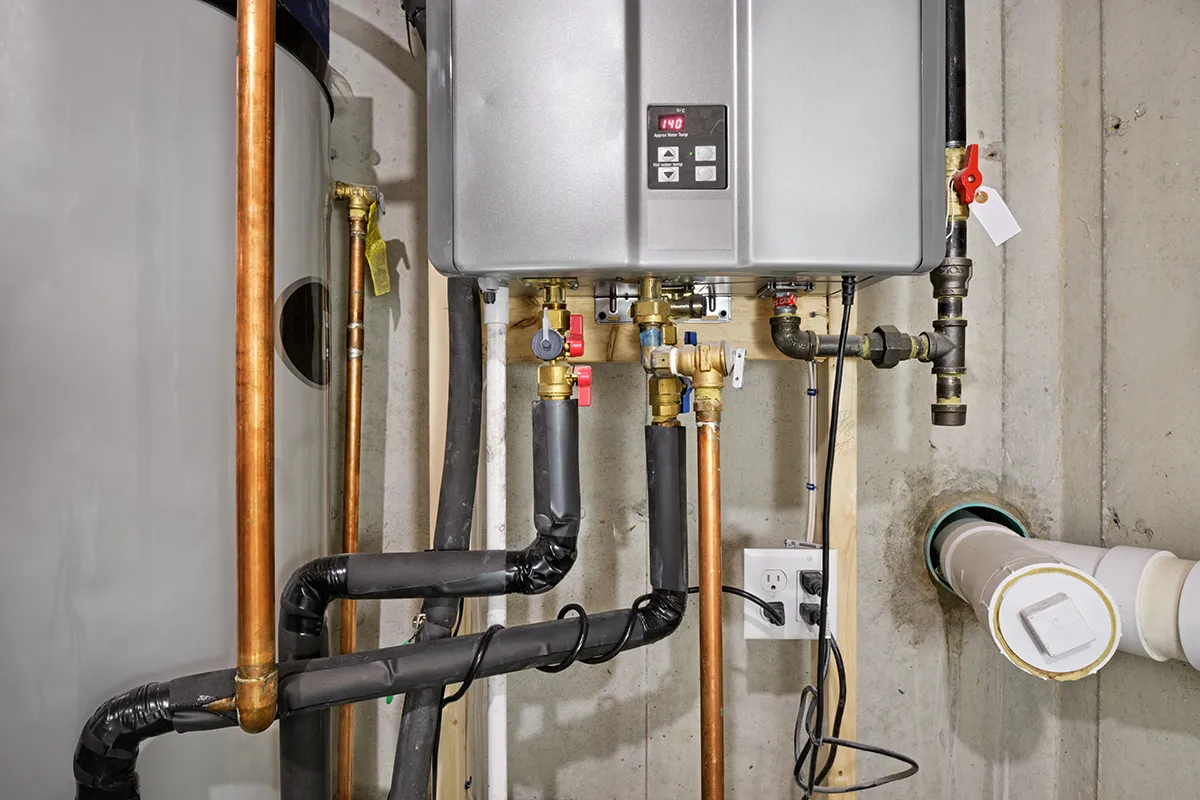
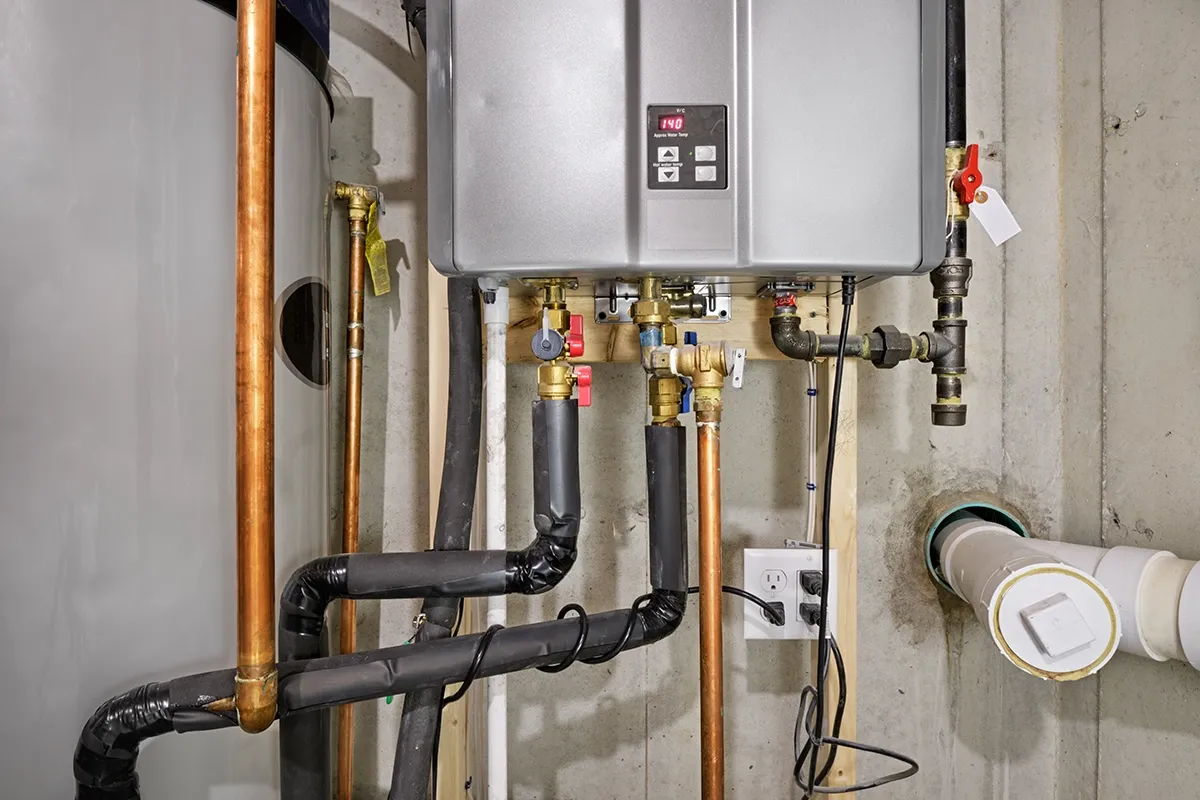
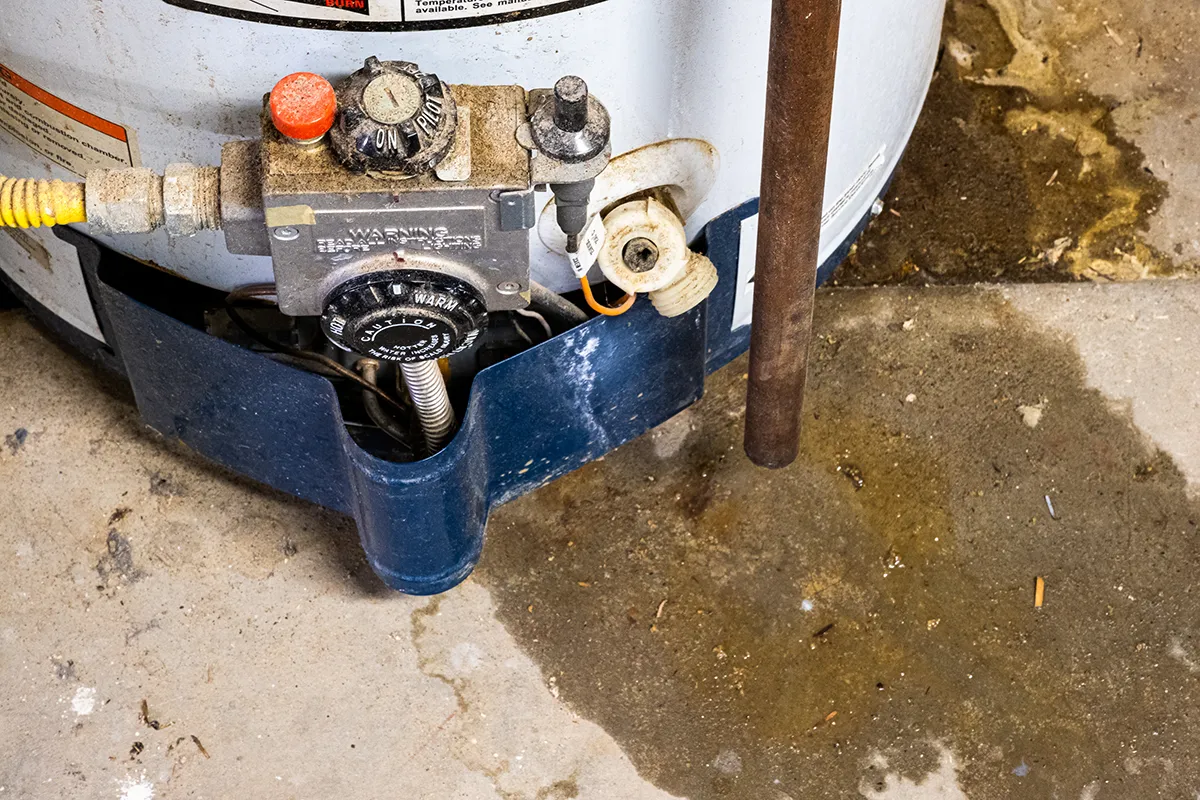
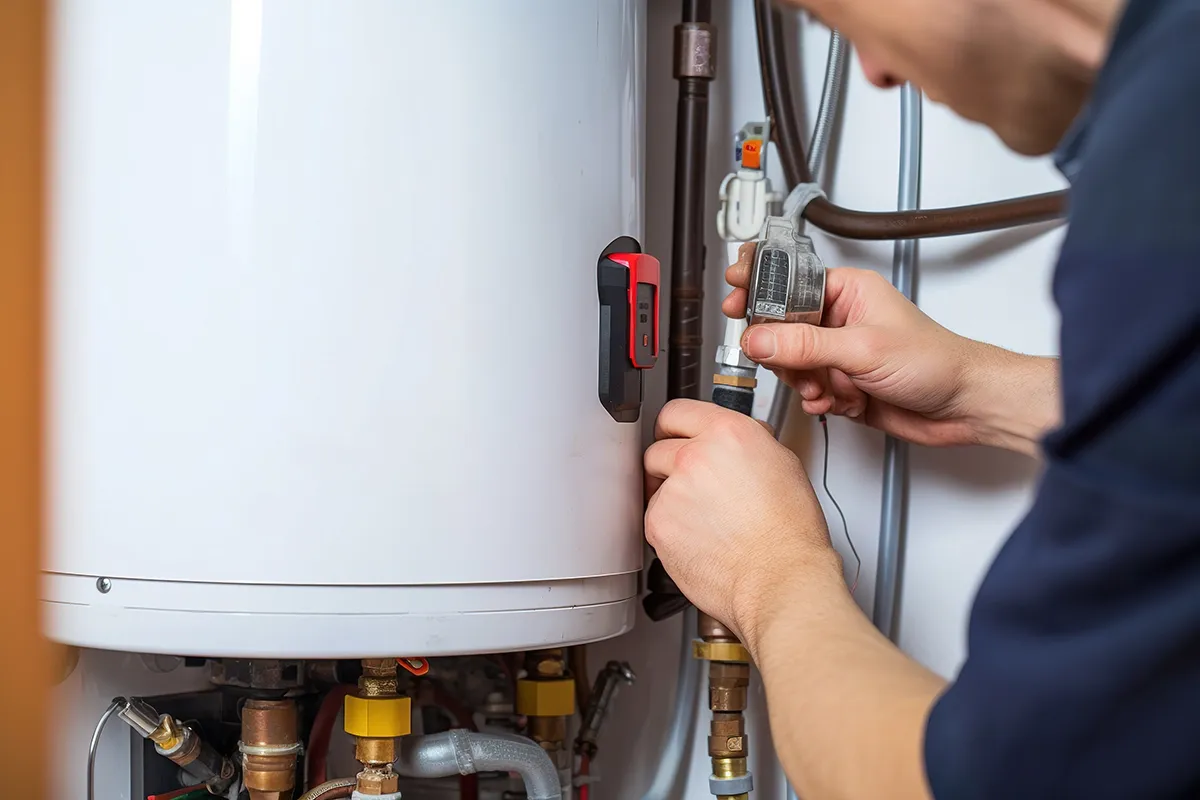
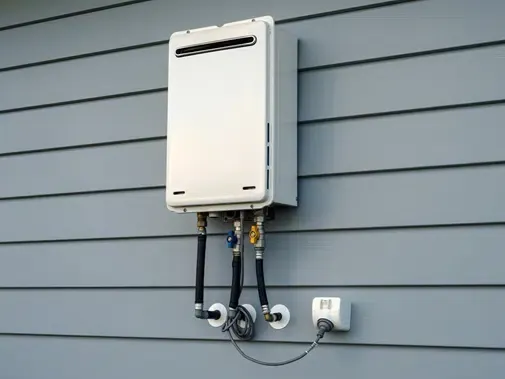
Water heater issues also demand swift attention. If you detect unusual odors near your water heater, hear hissing sounds, notice pooling water around the base, or experience complete loss of hot water, it’s time to call a certified technician. Similarly, complete loss of water pressure throughout your home can signal a main line issue that needs emergency diagnosis. This is especially true when paired with discolored water. Our certified technicians carry the diagnostic equipment and expertise to identify the source, contain the damage, and restore safety to your Gastonia home the same day you call.

What to Expect from Same Day Plumbing Service Gastonia

When you call Superior Plumbing and Drains for emergency plumbing help, we dispatch a certified technician to your Gastonia home as quickly as possible. Often within hours. Our trucks arrive fully stocked with professional-grade diagnostic equipment, replacement parts, and specialized tools. This means we’re prepared to resolve most plumbing emergencies in a single visit. From the moment we arrive, our focus is on identifying the root cause of your problem, not just treating the symptoms you can see.

Our technicians begin every same day service call with a thorough inspection. We’ll ask about what you’ve noticed—unusual sounds, water pressure changes, visible leaks, or drainage issues. Then we use that information to guide our diagnostic process. Depending on your specific situation, we may use video camera inspection to examine your pipes. We might also perform pressure testing to identify hidden leaks or thermal imaging to locate moisture behind walls. Once we’ve pinpointed the issue, we’ll explain what’s happening in plain language, outline your repair options, and provide transparent information before any work begins.

This comprehensive approach ensures we fix the problem correctly the first time. It prevents recurring issues and gives you peace of mind that your plumbing system is safe and functioning properly.

How We Prioritize Your Gastonia Same Day Plumbing Needs

When you call Superior Plumbing and Drains for same day plumbing service Gastonia, we immediately assess the urgency and nature of your plumbing emergency. Our dispatch team asks targeted questions about symptoms. We want to know whether you’re dealing with active flooding, a complete water shutoff, sewage backup, or another urgent issue. This allows us to prioritize calls based on safety risk and property damage potential. We keep a team of licensed plumbers strategically positioned throughout Gastonia and the surrounding area. This positioning allows us to route the nearest available technician to your door quickly.

From the moment you reach us, we provide realistic arrival windows and keep you updated via text or phone if conditions change. Our plumbers arrive fully stocked with diagnostic tools and common repair parts. As a result, we can often complete the work in a single visit. We don’t believe in leaving you guessing. Our technicians will explain what we find, outline your options, and provide upfront information before any work begins. Whether it’s a burst pipe, water heater failure, or drainage issue, we treat every call with the urgency it deserves and the professionalism you expect from a trusted local team.

When to Call for Emergency Same Day Service

Some plumbing situations can’t wait until morning. If you’re experiencing any of the following, we recommend calling our team immediately for same day plumbing service Gastonia. These include burst pipes with active flooding, complete loss of water to your home, sewage backup into living spaces, or a water heater that’s actively leaking large volumes of water. These scenarios pose immediate risks to your property, health, and safety.

Other urgent situations that warrant a same-day call include toilets that overflow repeatedly or leak around the base. Additionally, significant leaks under sinks or behind walls that are soaking drywall or flooring need immediate attention. Complete drain blockages that prevent any household water use also require prompt service. While these may not flood your home in minutes, they create unsanitary conditions. They can also cause extensive secondary damage if left unaddressed for even a few hours. Even household leaks that seem small can waste thousands of gallons annually. That’s why the EPA encourages homeowners to address leaks promptly to prevent water waste and damage.

At Superior Plumbing and Drains, we maintain same-day availability in Gastonia NC because we know plumbing emergencies don’t follow business hours. Our licensed technicians carry fully stocked trucks and diagnostic equipment to resolve most urgent issues in a single visit. When you’re unsure whether your situation qualifies as an emergency, call us anyway. We’d rather assess the problem quickly than have you face preventable damage overnight.

Get Fast, Reliable Help from Superior Plumbing and Drains

When a plumbing emergency strikes your Gastonia home, you don’t have time to wait days for an appointment. That’s why we offer same day plumbing service Gastonia to get your household back to normal as quickly as possible. Our licensed technicians understand the stress and disruption that burst pipes, overflowing drains, and failing water heaters can cause. We’re committed to responding promptly when you need us most.

We’re proud to serve homeowners throughout Gastonia with honest diagnostics, transparent information, and workmanship you can trust. Whether you’re dealing with an urgent crisis or simply want a persistent issue resolved today, our team arrives fully equipped to diagnose the problem accurately and complete the repair right the first time. We respect your home, your time, and your budget. Plus, we stand behind every job with our satisfaction guarantee.

Don’t let plumbing problems disrupt another hour of your day. Call Superior Plumbing and Drains now, and let our experienced professionals restore your peace of mind with fast, reliable service you can count on.

Frequently Asked Questions

How fast can you arrive for same day plumbing service in Gastonia?

We typically arrive within 1-2 hours of your call for same day plumbing service Gastonia. Our licensed technicians are strategically positioned throughout the area. We dispatch the nearest available plumber to your home immediately. We’ll provide a realistic arrival window and keep you updated via text or phone so you’re never left wondering when help will arrive.

What qualifies as a plumbing emergency that needs same day service?

Burst pipes with active flooding, sewage backups, complete water loss, and water heaters leaking large volumes all require immediate same day attention. We also respond urgently to overflowing toilets, significant under-sink leaks damaging floors or walls, and complete drain blockages preventing household water use. If you’re unsure whether your situation qualifies, call us anyway. We’d rather assess it quickly than risk preventable damage.

Do you charge extra for same day plumbing service in Gastonia?

Our costs vary based on the specific repair needed, not simply because you need same day service. We provide transparent, upfront information before any work begins. This way, you’ll know exactly what to expect. Our technicians arrive fully stocked to complete most repairs in a single visit. This actually saves you time and hassle compared to multiple trips or extended delays.

Will the plumber have the right parts to fix my problem today?

Our service trucks carry professional-grade diagnostic equipment and a comprehensive inventory of common replacement parts, fittings, and fixtures. This allows us to resolve most plumbing emergencies in a single same day visit. If your situation requires a specialty part, we’ll explain the timeline clearly. We can often source it quickly through our local supplier network to minimize any delay.

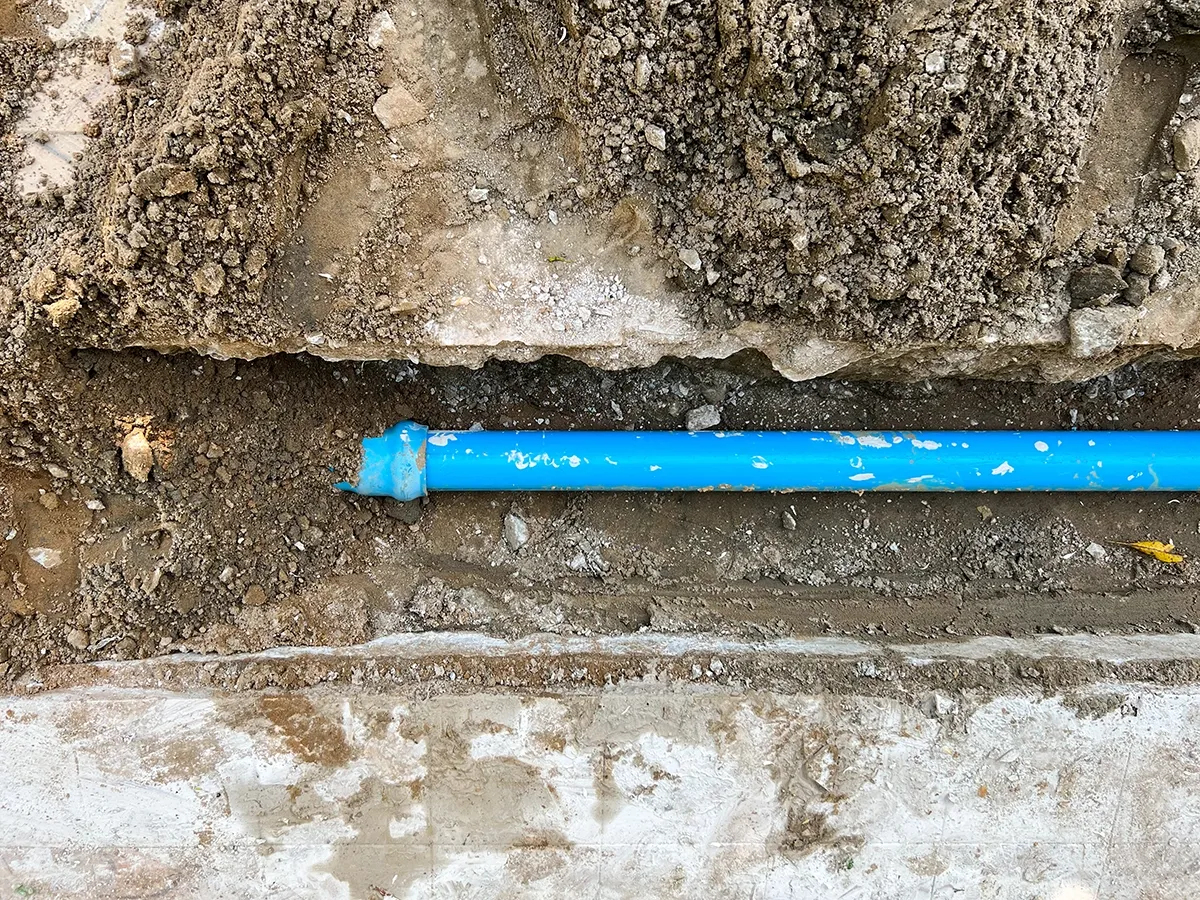
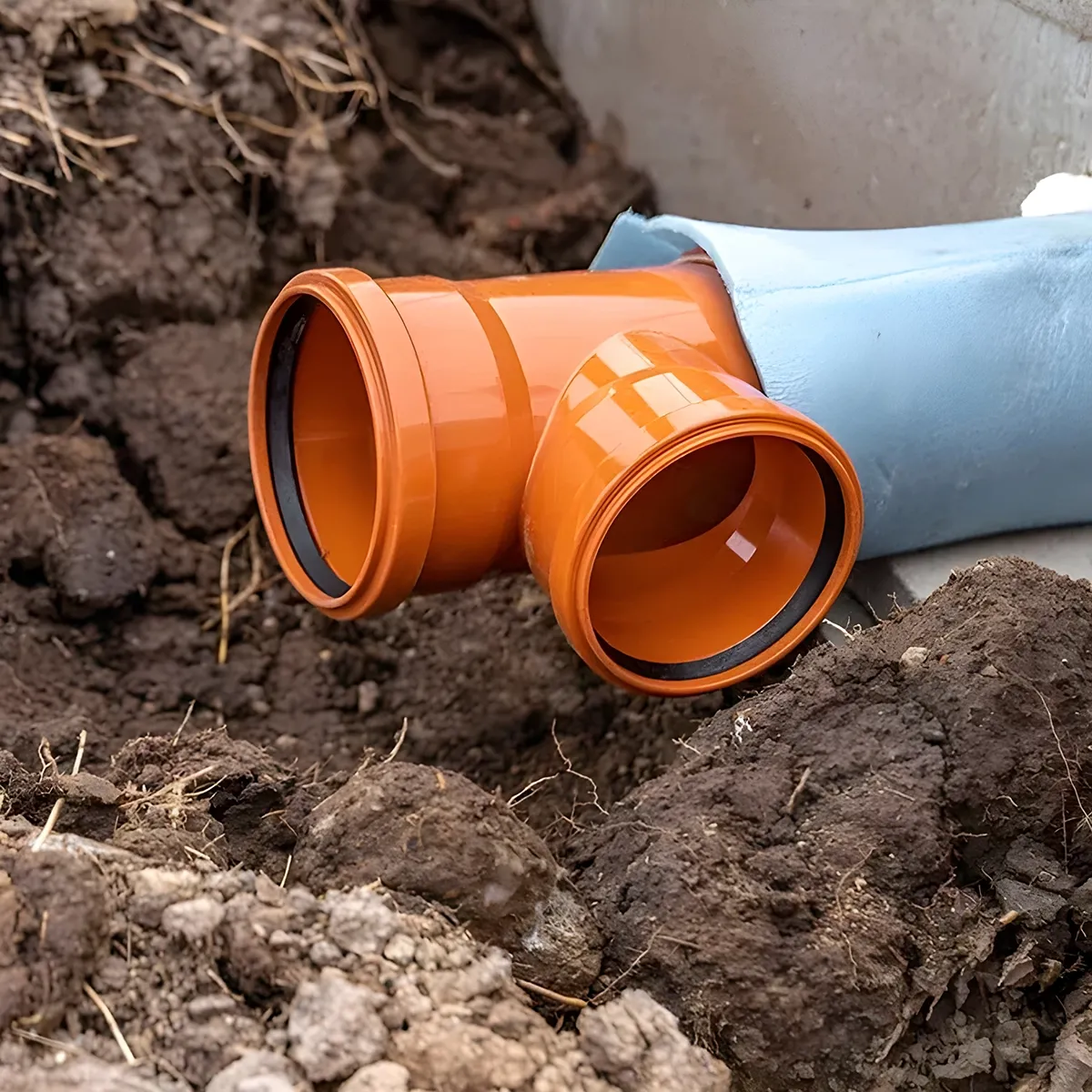
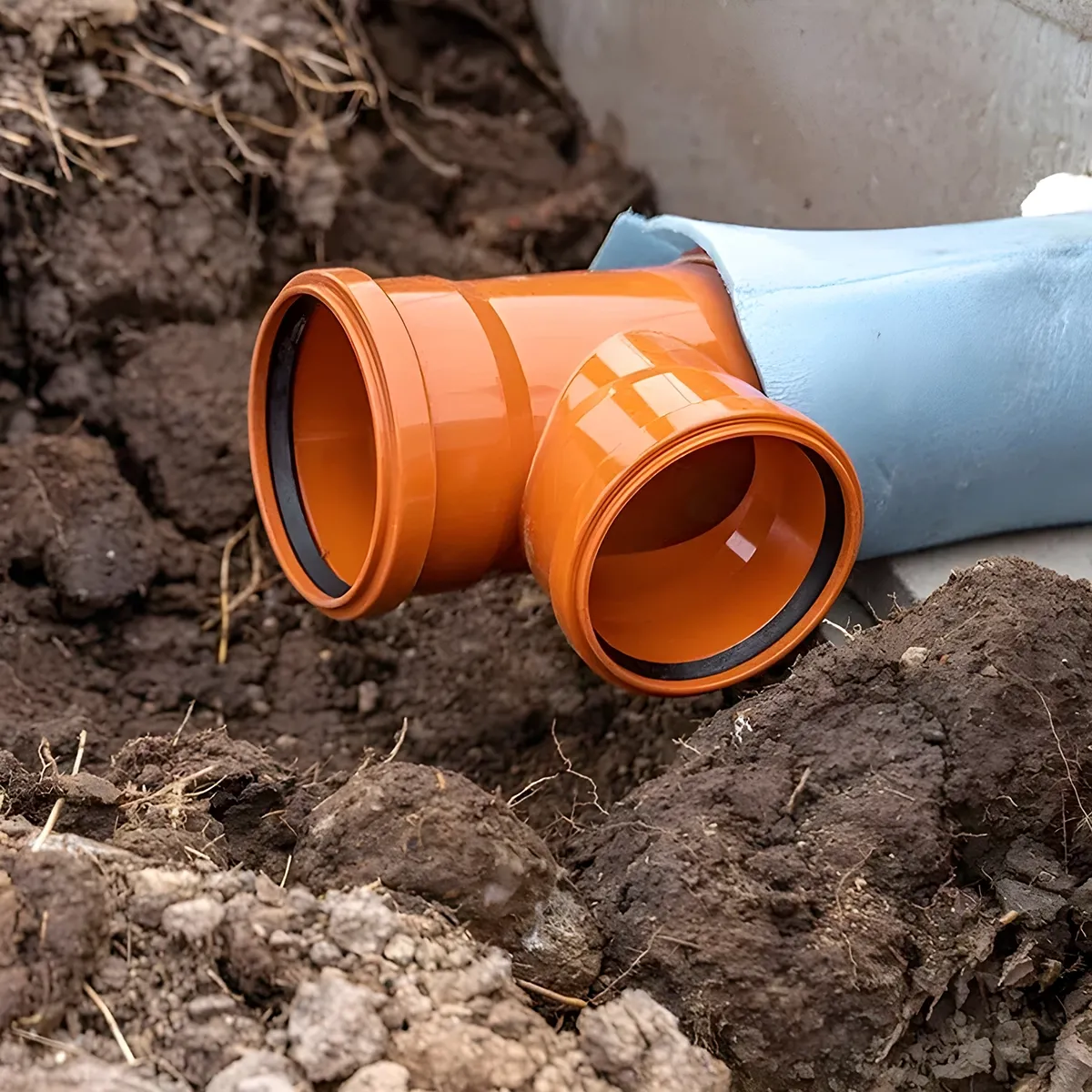
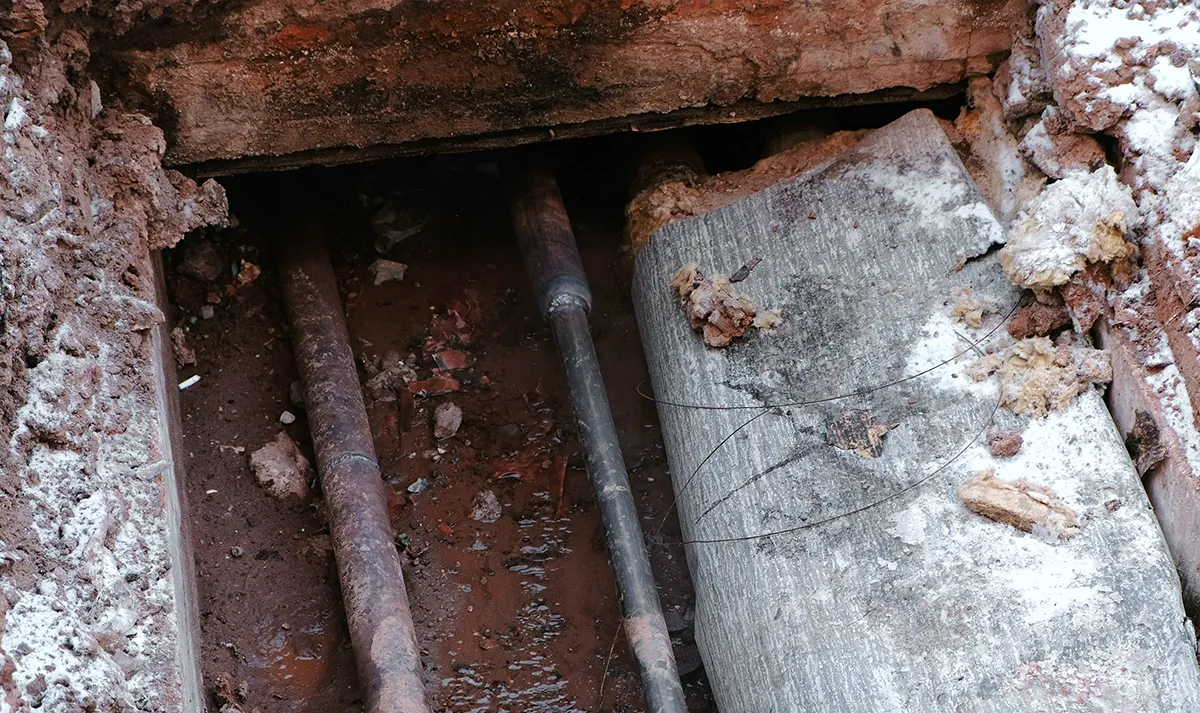
Water line replacement Gastonia NC project showing underground pipe installation near a home's foundation

Water Line Replacement Gastonia NC | Superior Plumbing

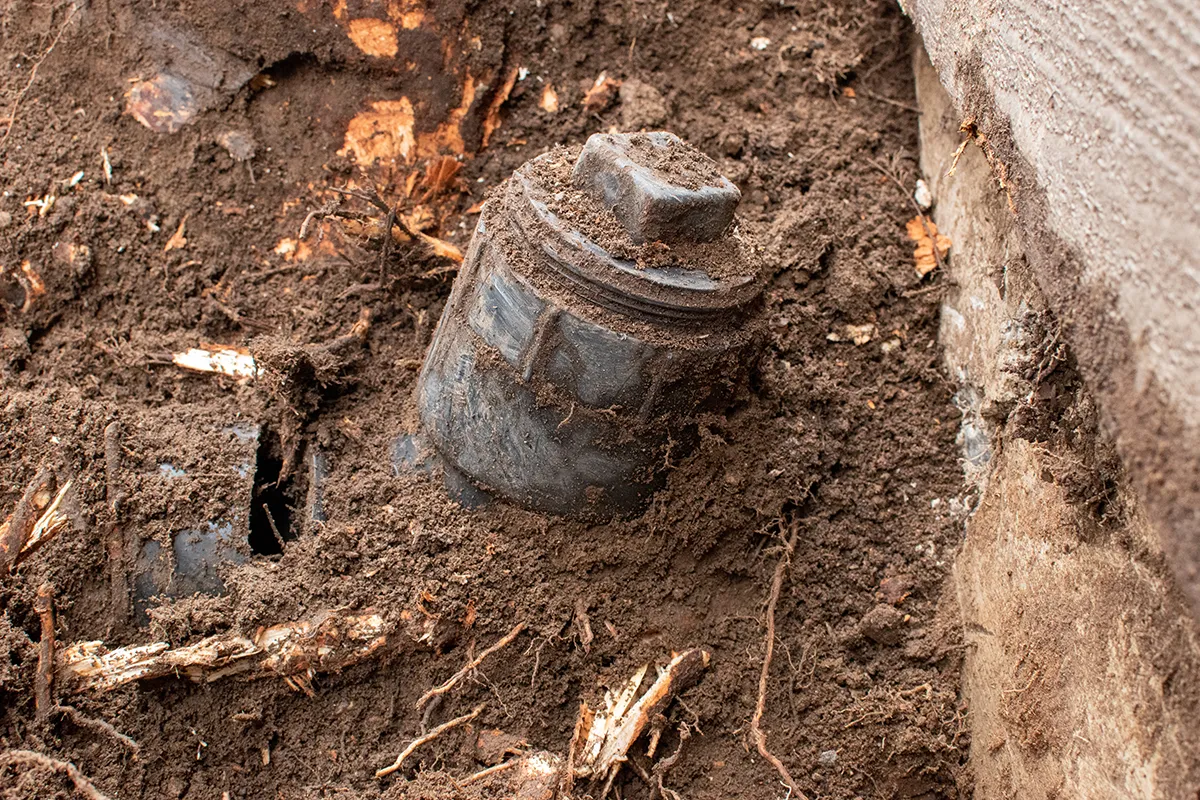
If you’ve noticed rusty water, plummeting water pressure, or unexplained wet spots in your yard, you may need water line replacement in Gastonia NC sooner than you think. Your home’s main water line is buried underground. When it starts to fail, the warning signs can be subtle at first. Then they suddenly become urgent and expensive. Gastonia’s clay-heavy soil and seasonal temperature swings put constant stress on aging pipes. Even a small crack can quickly turn into a costly emergency that floods your foundation or leaves your family without clean water.

Our team at Superior Plumbing and Drains specializes in professional water line replacement Gastonia NC services that protect your home from unexpected failures. We help homeowners throughout Gastonia recognize the symptoms early, understand what’s causing the problem, and make informed decisions about repair versus replacement before a leak disrupts your daily life.

Critical Symptoms That Signal You Need Water Line Replacement Gastonia NC Services

Water lines can last 70 years or more depending on the pipe material and soil conditions, according to Benjamin Franklin Plumbing. However, several scenarios can shorten that lifespan dramatically. We’ve seen homeowners throughout Gastonia discover they need immediate attention when they notice persistent drops in water pressure. They also notice unexplained wet spots in the yard or sudden spikes in their water bills. These warning signs often point to aging galvanized steel pipes corroding from the inside. Tree roots invading clay lines or ground shifts putting stress on decades-old infrastructure also cause problems. Many property owners delay action, not realizing that comprehensive water line replacement Gastonia NC solutions can prevent thousands of dollars in foundation damage and water waste.

Other common triggers include repeated leak repairs in the same section of pipe. Discolored or rusty water that won’t clear is another sign. Visible foundation cracks tied to underground water movement also indicate problems. When sediment buildup or root intrusion damages your main line beyond repair, patchwork fixes stop making financial sense.

We can evaluate whether your situation calls for a targeted spot repair or full replacement. We take into account the age of your system, the pipe material, and the extent of damage. This helps us recommend the most reliable long-term solution for your Gastonia home. Our experienced technicians have completed hundreds of successful water line replacement Gastonia NC projects, giving us insight into which approach saves you money while ensuring lasting results.

Early Detection: Recognizing Underground Pipe Failure Before Disaster Strikes

Your home’s main water line works silently underground. When it begins to fail, it sends clear distress signals. We’ve helped countless Gastonia homeowners identify these warning signs before a minor issue becomes a plumbing emergency. If you notice unexplained wet spots or sinkholes forming in your yard, your underground pipe may be leaking significantly. These often appear near the street or where your water line enters the foundation. Discolored or rusty water flowing from multiple taps often indicates corrosion eating through the line. A sudden drop in water pressure throughout your home suggests a major leak or blockage that may require complete water line replacement Gastonia NC intervention.

Another telltale sign is a water bill that climbs without explanation. According to EPA WaterSense, household leaks can waste nearly 1 trillion gallons of water annually nationwide, and a failing water line can waste water without obvious surface damage. You might also hear hissing or running water sounds when no fixtures are in use. You may notice that your water meter continues spinning even after shutting off all taps.

If you’re experiencing any of these symptoms, we can perform a thorough inspection using camera diagnostics and pressure testing. This helps us pinpoint the problem. Early detection often makes the difference between a targeted repair and full system overhaul. For this reason, we encourage Gastonia residents to call Superior Plumbing and Drains at the first sign of trouble, especially if multiple warning signs point toward the need for water line replacement Gastonia NC services.

Why Gastonia’s Unique Environment Accelerates Underground Pipe Deterioration

Understanding why water lines deteriorate helps homeowners recognize problems before a complete failure occurs. In Gastonia, several local factors accelerate the aging process of underground water pipes. Our moderate North Carolina climate means water lines don’t require the deep burial depths needed in colder regions. Warmer areas typically need less than 3 feet of depth compared to 8+ feet in freeze-prone climates. Still, our local conditions place considerable stress on these critical pipes. The specific combination of red clay soil and seasonal moisture changes creates unique challenges that homeowners in other regions don’t face, making professional water line replacement Gastonia NC services essential when deterioration reaches critical levels.

We see water line failures caused by a combination of factors. Soil composition in Gaston County can shift and settle over time. This places pressure on rigid pipes and causes cracks or joint separation. Tree root intrusion is another common culprit, as roots naturally seek out water sources. They can wrap around or penetrate pipes.

We see water line failures caused by a combination of factors. Soil composition in Gaston County can shift and settle over time. This places pressure on rigid pipes and causes cracks or joint separation. Tree root intrusion is another common culprit, as roots naturally seek out water sources. They can wrap around or penetrate pipes.

Age-related corrosion affects older galvanized steel and cast iron lines. Ground movement from heavy rain, construction activity, or seasonal soil expansion creates stress points. Even modern materials aren’t immune. Extreme temperature swings, though less severe than northern states, can still cause expansion and contraction. This weakens connections over decades of service.

Our Complete Water Line Replacement Process: From Inspection to Final Testing

When you call Superior Plumbing and Drains for water line replacement in Gastonia NC, we begin with a thorough assessment of your property’s existing system. We use specialized camera equipment to inspect the condition of your current line. We also identify the exact location and extent of damage. Then we determine the most efficient replacement route. We’ll walk you through our findings and explain your options in plain language. This includes material choices, estimated timeline, and what to expect during the work. Many homeowners appreciate this transparency because it removes the mystery from a complex project and helps them understand exactly what professional water line replacement Gastonia NC services involve.

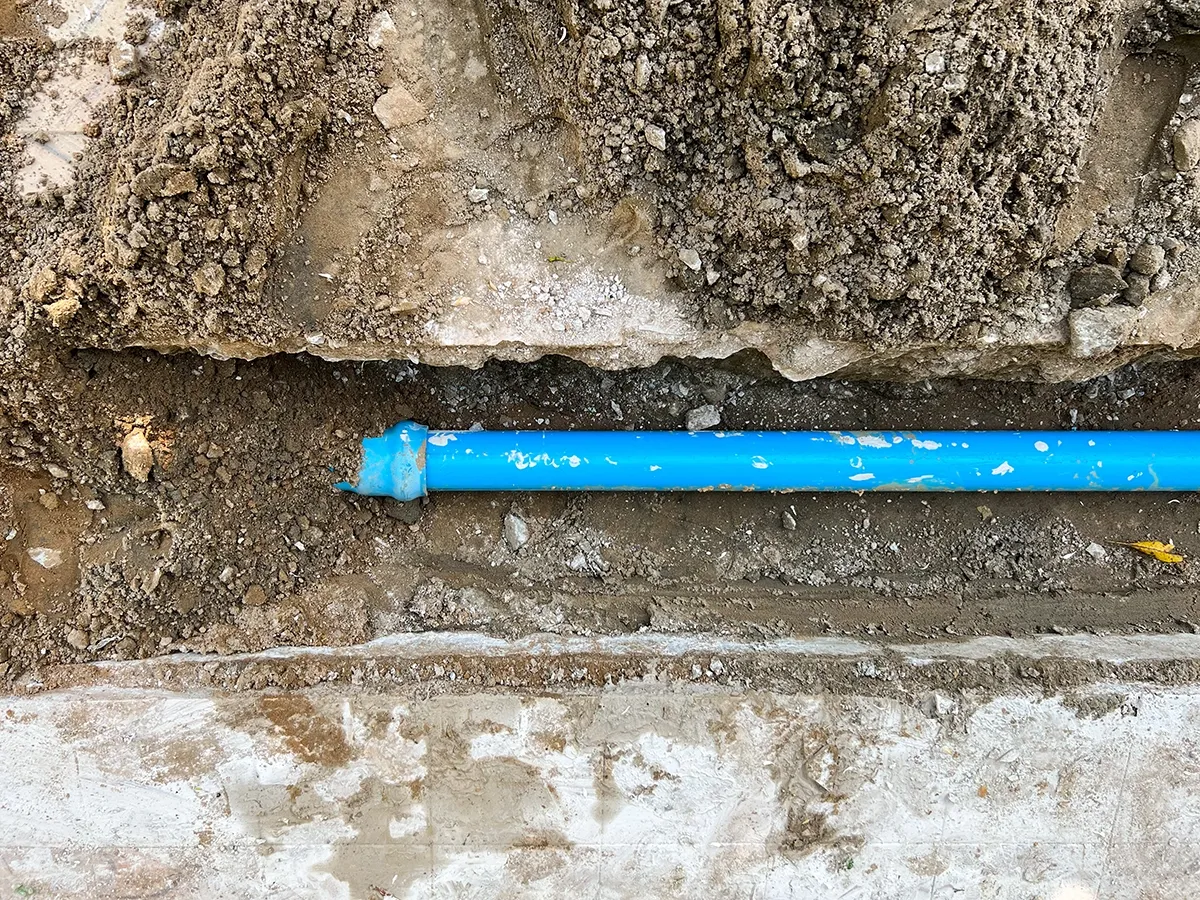
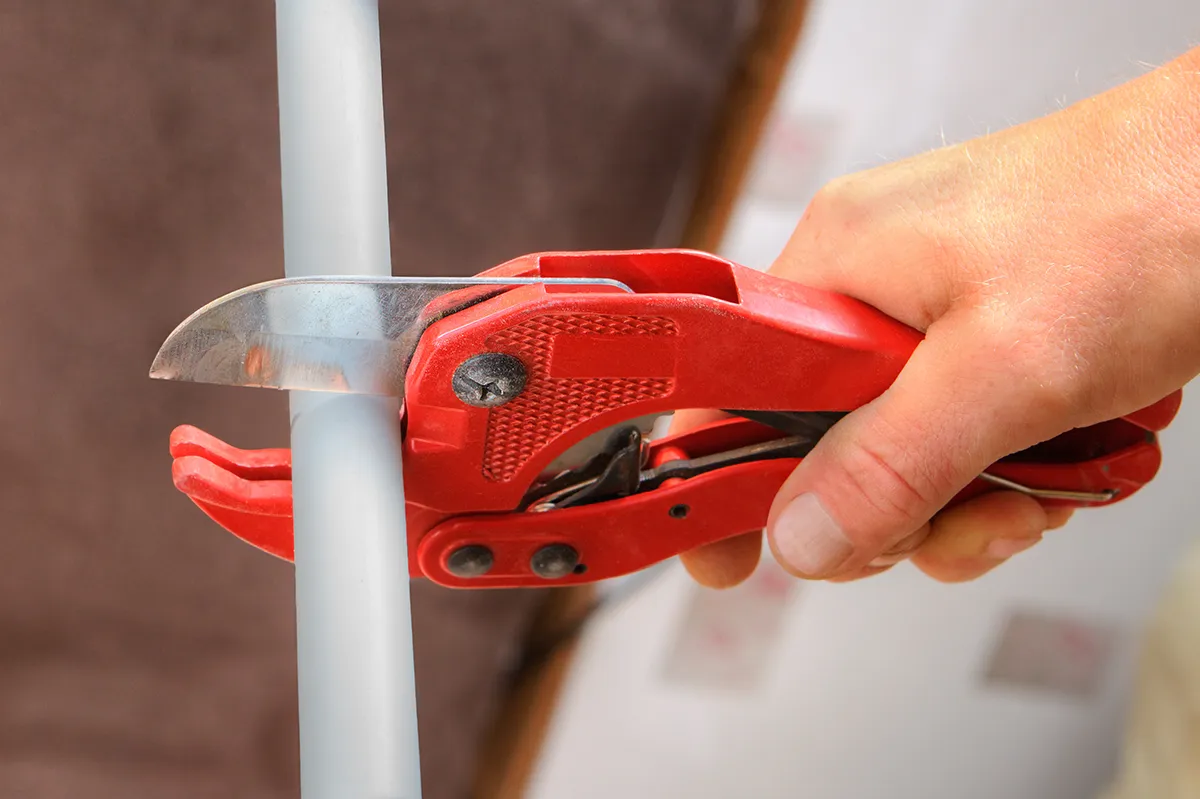
The replacement itself involves carefully excavating access points along the line’s path. We remove the damaged pipe and install new, durable materials designed to last decades. We use trenchless methods whenever possible to minimize disruption to your landscaping, driveway, or hardscaping. Throughout the project, we coordinate any necessary inspections with local authorities. We also handle permitting requirements and ensure every connection meets current code standards. Our team protects your property with proper barriers and completes thorough cleanup once the new line is installed. We pressure-test the line and ensure it’s fully operational.

From start to finish, we keep you informed and ensure minimal disruption to your daily routine. At the same time, we restore safe, reliable water service to your home.

Comparing Installation Methods: Which Approach Protects Your Property Best

When your water line needs replacing, we offer two proven methods. The right choice depends on your property’s layout, soil conditions, and budget. Traditional open-trench replacement involves excavating your yard to expose the old pipe. We remove it and install a new line. While effective, this method leaves visible trenches across landscaping, driveways, and sometimes sidewalks. These require restoration afterward. For properties with extensive landscaping or mature trees, this approach may not be ideal, which is why many homeowners pursuing water line replacement Gastonia NC projects now explore trenchless alternatives.

Trenchless technology has transformed how we approach underground pipe projects. Using pipe bursting or directional boring, we can replace your water line with minimal surface disruption. This often works through just one or two small access points. This method protects your lawn, mature trees, and hardscaping while typically completing the job faster. During your consultation, we’ll inspect your property’s unique conditions. We look at soil composition, depth of the existing line, proximity to other utilities, and any obstacles like tree roots or bedrock. Gastonia’s red clay soil can present challenges with either method. However, our team has the local experience to navigate these conditions.

Both approaches deliver a durable, long-lasting water line. The difference lies in surface impact, project timeline, and investment. We’ll walk you through both options honestly so you can make the best decision for your home and budget.

Schedule Your Professional Water Line Assessment With Local Experts

If you’ve noticed any of the warning signs we’ve discussed, it’s time to take action. These include unexplained water pooling in your yard, sudden drops in water pressure, discolored water, or a spike in your utility bills. At Superior Plumbing and Drains, we understand that water line issues can feel overwhelming. However, waiting only increases the risk of extensive property damage, contamination, and costly emergency repairs. We serve homeowners throughout Gastonia NC with comprehensive water line inspections. We use advanced camera technology and leak detection equipment to pinpoint the exact location and severity of the problem.

When you contact us, we’ll schedule a convenient time to assess your entire system. We explain our findings in plain language and provide you with a transparent estimate for repair or replacement. We stand behind our work with quality materials, experienced crews, and a commitment to protecting your home and family. Don’t let a failing water line disrupt your daily life or compromise your property value. Reach out to Superior Plumbing and Drains today for a professional inspection and the peace of mind that comes with expert care.

Frequently Asked Questions

How much does water line replacement cost in Gastonia NC?

Pricing for water line replacement Gastonia NC projects varies based on pipe length, material choice, soil conditions, and whether we use traditional excavation or trenchless methods. Every property is unique. Factors include access challenges, depth requirements, and local code specifications. For this reason, we provide transparent estimates after inspecting your system. Our team evaluates your specific situation and recommends the most cost-effective solution for reliable, long-term results.

How long does water line replacement take?

Most water line replacement projects in Gastonia take one to three days from start to finish. The timeline depends on your property’s layout, excavation requirements, and whether we use trenchless technology. Traditional open-trench methods may take longer due to restoration work. We work efficiently to minimize disruption while ensuring every connection meets code standards and passes final inspection.

What pipe material is best for water line replacement?

We typically recommend copper or HDPE (high-density polyethylene) for replacement projects. Copper offers proven durability and corrosion resistance. HDPE is flexible, resistant to root intrusion, and ideal for trenchless installation. During your consultation, we evaluate your soil conditions, budget, and local code requirements. This helps us recommend the material that best serves your home’s long-term needs.

Will my yard be torn up during water line replacement?

Not necessarily. Trenchless methods allow us to replace your water line through small access points, preserving most of your landscaping. Traditional excavation creates visible trenches that require restoration afterward. We assess your property’s layout, soil conditions, and utility locations to recommend the approach that balances effectiveness with minimal disruption. Either way, we protect your property and complete thorough cleanup.

drain cleaning service Gastonia NC

Drain Cleaning Service Gastonia NC | Superior Plumbing

If you’re dealing with slow drains, gurgling sounds, or unpleasant odors coming from your sinks or showers, it may be time to schedule drain cleaning service Gastonia NC homeowners can trust. We understand how frustrating it can be when water pools around your feet in the shower or your kitchen sink takes forever to empty.

These issues rarely fix themselves and often get worse over time. That’s why we specialize in thorough, safe drain cleaning that gets to the root of the problem, not just the surface symptoms. Whether you’re facing a stubborn clog or simply want to prevent future backups, we’re here to restore your plumbing to smooth, reliable performance.

According to the EPA, household water efficiency plays an important role in conserving water and reducing utility costs.

When You Need Professional Drain Cleaning Service in Gastonia NC

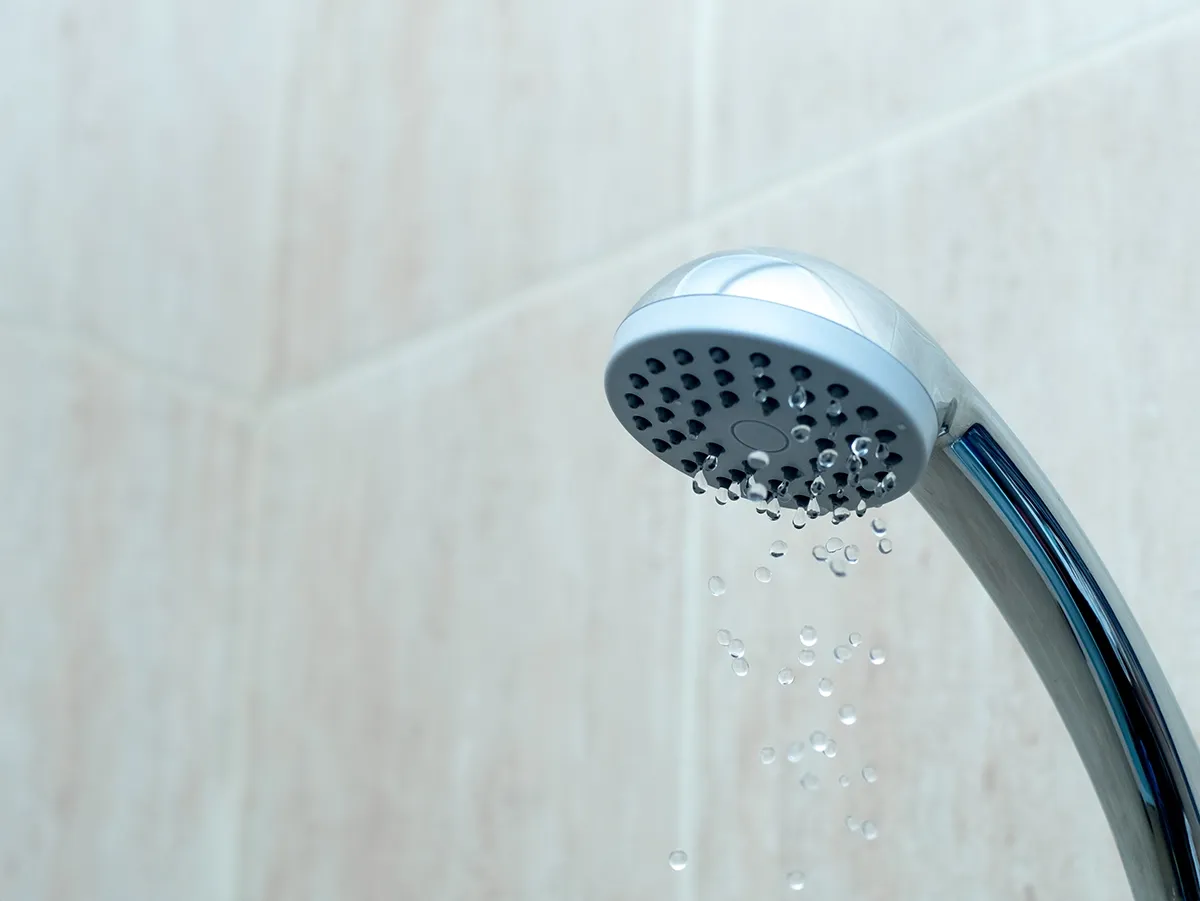
Most homeowners don’t think about their drains until something goes wrong. You might notice water pooling around your feet in the shower. You may hear gurgling sounds from your kitchen sink. Sometimes an unpleasant odor wafts up from a bathroom drain. These warning signs tell you that buildup inside your pipes is restricting flow. Ignoring them usually makes the problem worse—and more expensive to fix.

Hair, soap scum, grease, food particles, and mineral deposits accumulate gradually in your drain lines. What starts as a minor slowdown can quickly escalate to a complete blockage. This causes water damage, unsanitary backups, or even pipe corrosion. Scheduling drain cleaning service in Gastonia NC annually helps avoid clogs and sludge buildup that can damage pipes over time.

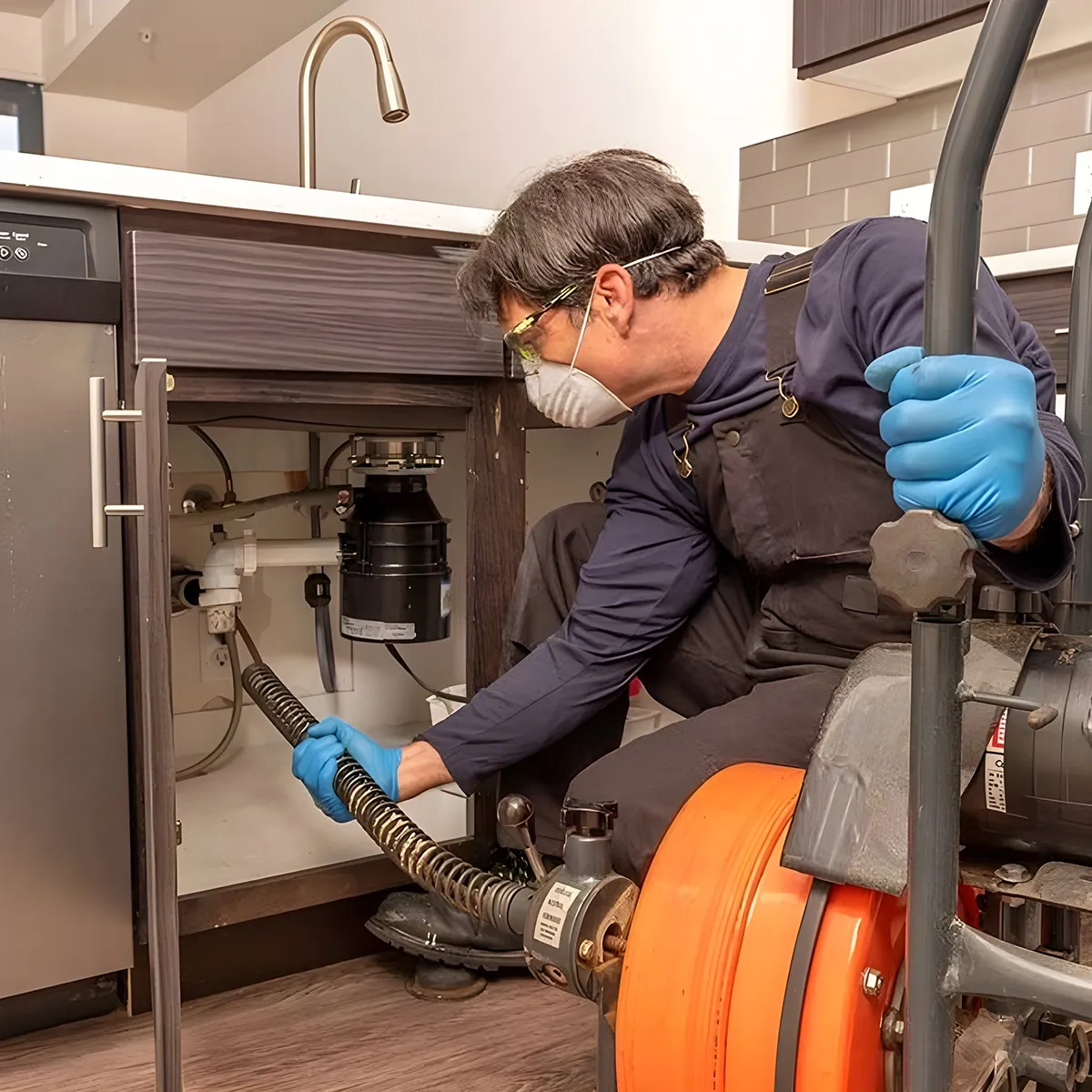
When you contact us for professional drain cleaning service in Gastonia NC, our certified technicians use specialized equipment to inspect your lines. They identify the exact location and cause of the blockage. Then they remove buildup safely without harming your plumbing system. We don’t just push the problem further down the line—we restore proper flow and help you understand what’s happening inside your pipes so you can prevent future issues.

Signs It’s Time to Call for Drain Cleaning Service in Gastonia NC

Many homeowners in Gastonia put up with slow drains far longer than they should. They hope the problem will resolve itself. In our experience, drains rarely improve on their own—they only get worse. Water pooling around your feet in the shower is a clear warning sign. Sinks that take several minutes to empty signal developing blockages. Gurgling sounds coming from your drains also indicate a blockage is developing deep in your plumbing system.

We also see telltale symptoms that require professional attention right away. Foul odors rising from your drains often signal trapped organic matter decomposing in your pipes. Multiple slow drains throughout your home suggest a main line issue rather than an isolated clog. Common culprits include hair and soap buildup in bathrooms and grease accumulation in kitchen lines that need drain cleaning service in Gastonia NC.

Don’t wait if you’re experiencing frequent backups. Water backing up into other fixtures when you run the washing machine is serious. Standing water in unusual places is another red flag. These issues typically worsen rapidly and can lead to costly water damage. We can diagnose the exact location and cause of your drain problem before it becomes a plumbing emergency.

What Causes Drains to Clog and Slow Down

In our years serving Gastonia homeowners, we’ve seen just about every drain problem imaginable. Most clogs develop gradually from a buildup of everyday materials that accumulate inside your pipes. Hair is one of the biggest culprits in bathroom drains. It binds with soap scum and creates stubborn blockages that worsen over time. Kitchen drains typically struggle with grease, food particles, and oil that coat pipe walls and trap other debris as it passes through.

We also find that many homes deal with clogs caused by things that should never enter the drain system. Flushable wipes that don’t actually break down, cotton swabs, dental floss, and even small toys in homes with children create serious blockages. Outside your home, tree roots can infiltrate older sewer lines through tiny cracks. This creates major blockages that require professional drain cleaning service in Gastonia NC. Mineral deposits from hard water can also narrow pipes over time, restricting flow and making clogs more likely.

When you contact us, our licensed technicians use camera inspection technology to identify exactly what’s causing your slow or blocked drain. This allows us to recommend the most effective cleaning method for your specific situation.

How Our Drain Cleaning Service in Gastonia NC Works

When you contact us for a clogged or slow-moving drain, we start with a thorough assessment. Our licensed technicians use video camera inspection equipment to identify the exact location and nature of the blockage. We check for accumulated grease, tree root intrusion, mineral buildup, or foreign objects. This visual inspection allows us to recommend the most effective cleaning method for your specific situation rather than relying on guesswork.

Based on what we find, our professionals will use specialized equipment to safely remove the obstruction. We restore full flow capacity and always match the approach to the problem to protect your pipes while delivering lasting results. Our drain cleaning service in Gastonia NC ensures thorough removal of buildup and debris.

After clearing the drain, we perform a follow-up camera inspection to confirm the line is completely clear. We also check for underlying issues like cracks, corrosion, or improper slope that could require additional plumbing repairs. We’ll explain exactly what we found. Plus, we’ll share what steps, if any, might prevent repeat clogs down the road.

Why Choose Superior Plumbing and Drains for Drain Cleaning Service Gastonia NC Residents Trust

When you’re dealing with slow drains or stubborn clogs in your Gastonia home, you need a team that combines technical expertise with genuine care for your property. We’ve built our reputation on thorough diagnostics and lasting solutions—not quick fixes that fail in a few months. Our licensed plumbers arrive with professional-grade camera inspection equipment. They identify exactly what’s blocking your lines, whether it’s tree root intrusion, grease buildup, or deteriorating pipe sections that need attention before they cause bigger problems.

We understand that drain issues never happen at convenient times. That’s why we maintain consistent availability and transparent communication before we begin any work. Our technicians are certified in the latest cleaning techniques. We take the time to explain what we find during inspection so you understand the condition of your plumbing system. We don’t just clear the immediate blockage—we assess the underlying cause and recommend preventive measures to protect your home from future backups. When you call us for drain cleaning service in Gastonia NC, you’re choosing a team that treats your home with the same respect we’d show our own.

Schedule Your Drain Cleaning Service in Gastonia NC Today

Don’t wait for a slow drain to turn into a complete blockage or costly emergency. You might be dealing with recurring clogs, foul odors, or water backing up in multiple fixtures. Either way, our licensed technicians are ready to restore your plumbing system quickly and correctly. We understand that drain problems disrupt your daily routine and can lead to water damage if ignored. That’s why we make scheduling fast, convenient, and stress-free.

When you call us for drain cleaning service in Gastonia NC, we’ll assess your symptoms over the phone. Then we’ll schedule a time that works for your busy schedule. We arrive with professional-grade equipment to diagnose the root cause. Whether it’s tree root intrusion, grease buildup, or a deteriorating pipe, we provide effective solutions on the spot. We pride ourselves on transparent communication, reliable workmanship, and treating your home with respect.

Contact Superior Plumbing and Drains today to schedule your drain inspection and cleaning. Let us handle the problem before it becomes an emergency, so you can enjoy clear, fast-flowing drains all year long.

Frequently Asked Questions

How much does drain cleaning service cost in Gastonia NC?

Professional drain cleaning costs vary depending on several factors. The severity and location of the clog matters. The extent of the blockage affects pricing. The methods required to restore proper flow also impact cost. Simple clogs in accessible fixture drains typically cost less. Main line blockages requiring advanced diagnostic equipment cost more. We provide transparent communication before starting any work, so you’ll know exactly what to expect with no hidden fees.

How often should I schedule professional drain cleaning?

We recommend annual drain cleaning for most Gastonia homes to prevent buildup before it causes blockages. However, some homes benefit from more frequent service. If you have older pipes, large trees near your sewer line, or frequently experience slow drains, twice-yearly service may be beneficial. Regular maintenance prevents emergency clogs and extends the life of your plumbing system significantly.

Can chemical drain cleaners damage my pipes?

Yes, store-bought chemical drain cleaners can corrode pipes, especially older metal lines. They rarely clear tough blockages completely. The chemicals generate heat that can weaken pipe joints and create future leak points. Our professional drain cleaning service in Gastonia NC uses safe methods that thoroughly clean pipes. We avoid causing damage or leaving harsh residues behind.

What’s the difference between different drain cleaning methods?

Different drain cleaning approaches suit different situations. Some methods work better for isolated clogs in smaller lines. Others are more effective for thoroughly cleaning pipe walls and removing grease, mineral deposits, and buildup. Our certified technicians will determine which method suits your specific situation. This happens after performing a camera inspection of your drain lines.

how to shut off main water valve

How to Shut Off Main Water Valve in an Emergency

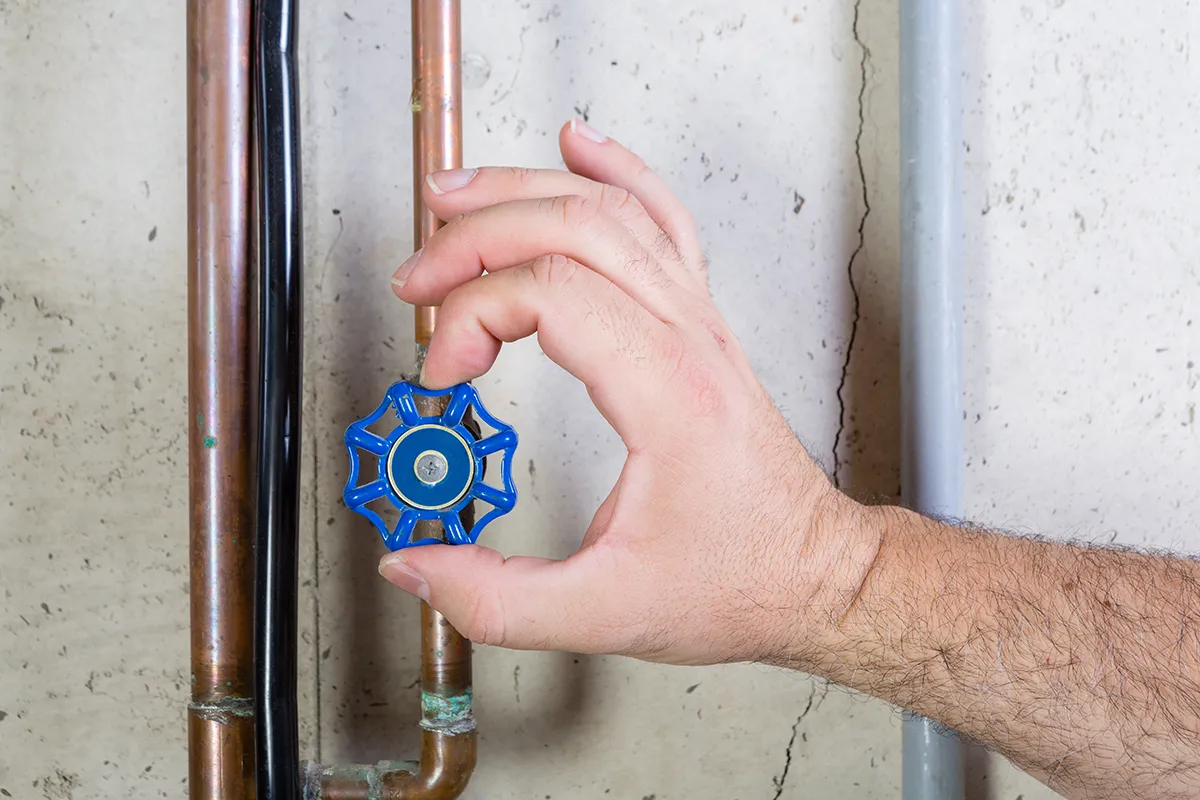
Knowing how to shut off main water valve systems in your home can save you thousands of dollars in water damage when a pipe bursts, a water heater fails, or any major plumbing emergency strikes.

We’ve responded to countless calls where homeowners couldn’t locate or operate their main shutoff valve while water flooded their basement or crawl space. This turned a manageable situation into a costly disaster. That’s why we always encourage our customers to find their main valve before an emergency happens. Test it periodically to ensure it still works. Also, understand when it’s time to call a licensed plumber for help. While the valve itself is designed to be simple, corroded stems, mineral buildup, and years of sitting untouched can make shutoff difficult or even impossible without professional tools and expertise.

Why Every Homeowner Should Know Where Their Main Water Valve Is

We’ve responded to countless emergency calls from Gastonia homeowners who discovered a burst pipe, overflowing toilet, or water heater leak. They realized they had no idea where their main water shutoff was located. Those first sixty seconds matter enormously. When water is gushing into your home at several gallons per minute, every moment of delay translates into more damage to floors, walls, furniture, and belongings. Knowing exactly where your main valve sits and how it operates gives you the power to stop a plumbing disaster in its tracks while you wait for our team to arrive.

Beyond emergencies, familiarity with your main shutoff becomes essential during planned repairs, appliance replacements, or renovations. We always recommend homeowners locate this valve during calm moments—not in the middle of a crisis. Take a few minutes now to find it, test that it turns smoothly, and even label it clearly for family members or housesitters. If you’re uncertain where the valve is located, if it feels stuck, or if you notice corrosion around the connection, call Superior Plumbing and Drains. We can help you locate it, assess its condition, and handle any needed service before an emergency forces the issue.

Common Locations of Main Water Shutoff Valves in Gastonia Homes

When a plumbing emergency strikes, knowing how to shut off main water valve systems can prevent thousands of dollars in water damage. In Gastonia homes, we typically find these valves in a few predictable locations. However, the exact placement depends on your home’s age and construction style.

Most indoor main water valves are located in the basement near the front foundation wall. This is where the municipal water line enters your home. If you don’t have a basement—common in many Gastonia properties—check your utility room, garage, or crawl space along the perimeter wall facing the street. Some homes have the valve in a ground-level closet or underneath the kitchen sink, though this is less typical. The valve itself is usually a gate valve or ball valve attached to a pipe ranging from three-quarters of an inch to one inch in diameter.

Outdoor shutoff valves in our area are often found in a concrete or plastic meter box near the street or property line. They’re typically located between the curb and your home. If you’re unsure where yours is located or if the valve appears corroded, seized, or difficult to access during an emergency, we recommend calling Superior Plumbing and Drains. Our licensed technicians can locate your valve, test its operation, and ensure it’s ready when you need it most.

How to Shut Off Main Water Valve Systems in an Emergency

When a pipe bursts or you discover a major leak in your Gastonia home, every second counts. Understanding how to shut off main water valve systems quickly can prevent thousands of dollars in damage while you wait for professional help. The main valve is typically located where the water line enters your home. This is often in the basement, crawl space, or near the water heater. In some homes, it may be outside near the foundation or at the street-side meter box.

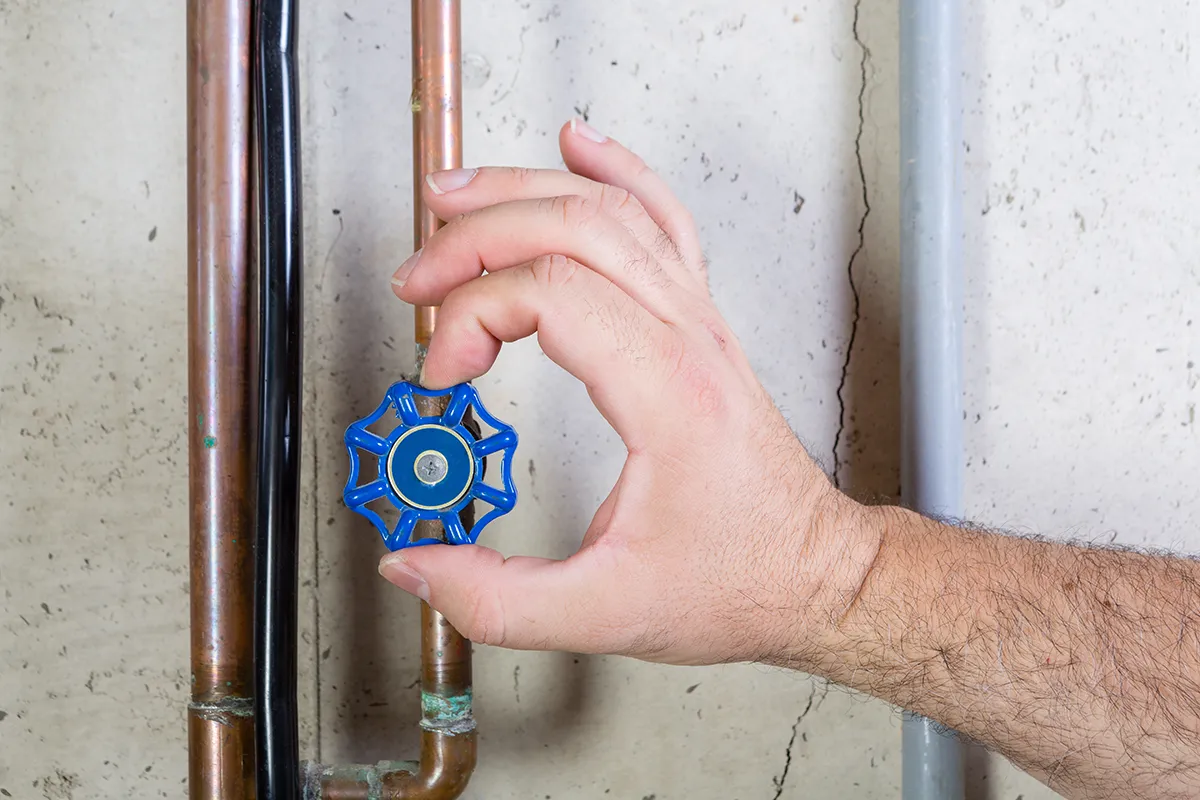
If you face an emergency and the valve operates smoothly, you can attempt to close it. Turn clockwise for gate valves or rotate the lever a quarter-turn for ball valves until water stops flowing. However, never force a stuck or corroded valve. This can cause it to break and worsen the situation. If the valve won’t budge, if you’re unsure which valve is the main shut-off, or if water continues flowing after you’ve attempted to close it, contact us immediately for professional plumbing repairs. We’re available 24/7 for emergency calls. We can quickly stop the water flow, assess the damage, and make necessary repairs to protect your home.

When Your Main Water Valve Won’t Shut Off Completely

One of the most frustrating—and potentially costly—situations homeowners face is discovering that their main water valve won’t close completely. You’ve turned the valve clockwise as far as it will go. Yet water continues trickling or even flowing through your pipes. This is a serious warning sign that shouldn’t be ignored.

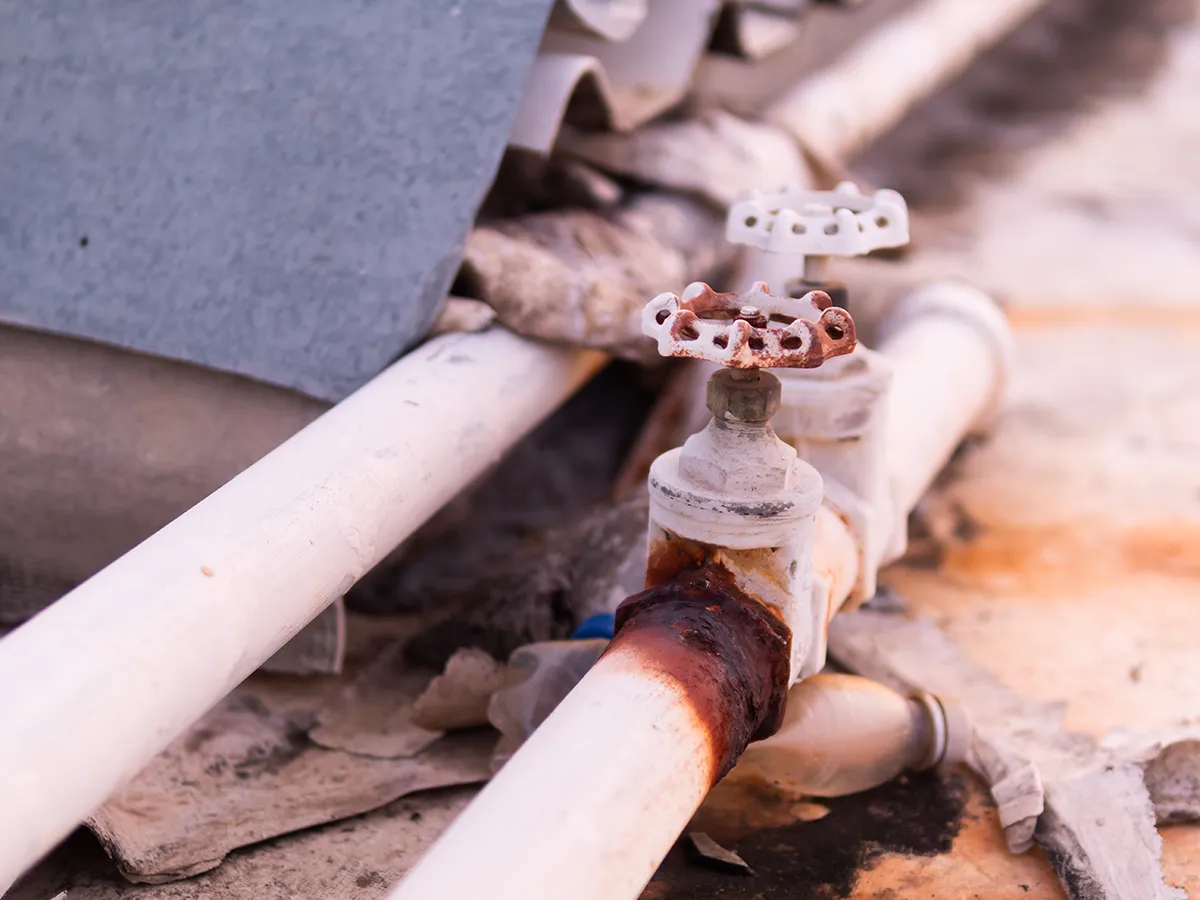
Common symptoms of a failing shutoff valve include water that keeps running even when the valve handle is fully turned. You might also notice visible leaks around the valve body or packing nut, a handle that spins freely without resistance, or corrosion and mineral buildup on the valve itself. The valve might require excessive force to turn, or it feels “crunchy” and catches as you rotate it. These are all indicators that internal components—like the valve seat, washer, or gate mechanism—have deteriorated over time.

When your main water valve fails to shut off completely, you’re left without emergency water control during a plumbing crisis. As part of your overall emergency water preparedness, we strongly recommend calling Superior Plumbing and Drains immediately if you notice any of these warning signs. Our licensed technicians can assess the valve condition and perform the necessary service to restore your home’s critical first line of defense against water damage.

How Professional Plumbers Test and Replace Main Water Valves

When you call Superior Plumbing and Drains to assess your main water valve, our licensed technicians follow a thorough diagnostic process. This ensures your home’s water control system is reliable. We begin by testing the valve’s operation—turning it through its full range of motion to check for stiffness, leaks, or failure to seal completely. A valve that won’t turn, drips after closing, or requires excessive force is a candidate for professional service.

If service is necessary, our certified technicians have the specialized tools, permits, and expertise to handle the work safely and in compliance with local codes. We coordinate with the water utility if needed. Our team performs all work according to manufacturer specifications and municipal requirements. We thoroughly test the system under pressure before considering the job complete. We also verify that the valve operates smoothly and stops water flow completely when closed.

This process prevents the flooding, incomplete shutoffs, and emergency damage that can result from valve failures. Professional service ensures proper installation, code compliance, and long-term reliability. If your main water valve is showing signs of wear, contact us today for a professional inspection.

Get Expert Help with Your Main Water Shutoff Valve

If you’re uncomfortable locating your main water shutoff valve, if the valve feels stuck or difficult to turn, or if you notice any leaking around the valve itself, don’t hesitate to call us at Superior Plumbing and Drains. If you’re unsure how to shut off main water valve systems safely, our licensed technicians can help you locate, test, and understand your home’s shutoff controls. We serve homeowners throughout Gastonia, Charlotte, Monroe, and the surrounding areas.

We also recommend scheduling a valve inspection if your home is older or if you’ve never tested the shutoff before. Valves that haven’t been turned in years can seize up. Discovering that during an active leak creates unnecessary stress and water damage. Our team can assess and service faulty main shutoff valves before they become a crisis. We’ll also walk you through where it’s located and how it operates, so you feel confident in an emergency.

Whether you need immediate assistance or want peace of mind with a proactive inspection, Superior Plumbing and Drains is just one call away. Reach out today to protect your home and ensure your plumbing system is ready for anything.

Frequently Asked Questions

Where is the main water shut off valve usually located in a house?

Most main water valves are located in the basement near the front foundation wall where the municipal water line enters your home. If you don’t have a basement, check your utility room, garage, crawl space, or near the water heater. Some Gastonia homes also have an outdoor shutoff valve in a meter box near the street. If you can’t locate yours, we can help identify and test it.

How do you shut off the main water valve in an emergency?

For gate valves that operate smoothly, turn the handle clockwise as far as it will go. For ball valves, rotate the lever a quarter-turn until it’s perpendicular to the pipe. Never force a stuck or corroded valve, as this can cause it to break. If the valve won’t budge or water keeps flowing after closing it, call us immediately at Superior Plumbing and Drains for emergency assistance.

What should I do if my main water valve won’t turn off completely?

A valve that won’t close fully indicates internal component failure like a worn valve seat or damaged washer. Don’t attempt to force it or disassemble it yourself. Contact Superior Plumbing and Drains right away so our licensed technicians can assess the valve and perform the necessary professional service. A failing shutoff valve leaves your home vulnerable to uncontrolled water damage during plumbing emergencies.

How often should I test my main water shutoff valve?

We recommend testing your main water valve at least once a year to ensure it operates smoothly. Turn it fully closed, then reopen it completely. If it feels stiff, makes grinding noises, or won’t turn easily, call us for an inspection. Valves that sit unused for years often seize up. Discovering that during an actual emergency creates unnecessary damage and stress.

crawl space sump pump

Crawl Space Sump Pump: Signs, Problems & When to Call

A crawl space sump pump is one of those hidden heroes working beneath your home—until it stops doing its job. Water intrusion under your house can lead to mold growth, wood rot, and structural damage. That small pump plays a critical role in keeping your foundation dry and your home healthy. Yet many homeowners only discover their crawl space sump pump exists when they notice standing water or musty odors. Even a minor malfunction can turn into a costly repair if left unchecked. That’s why recognizing the early warning signs matters. Understanding when to call a licensed professional can save you time, money, and stress. We’re here to help you protect your home from the ground up.

What Is a Crawl Space Sump Pump?

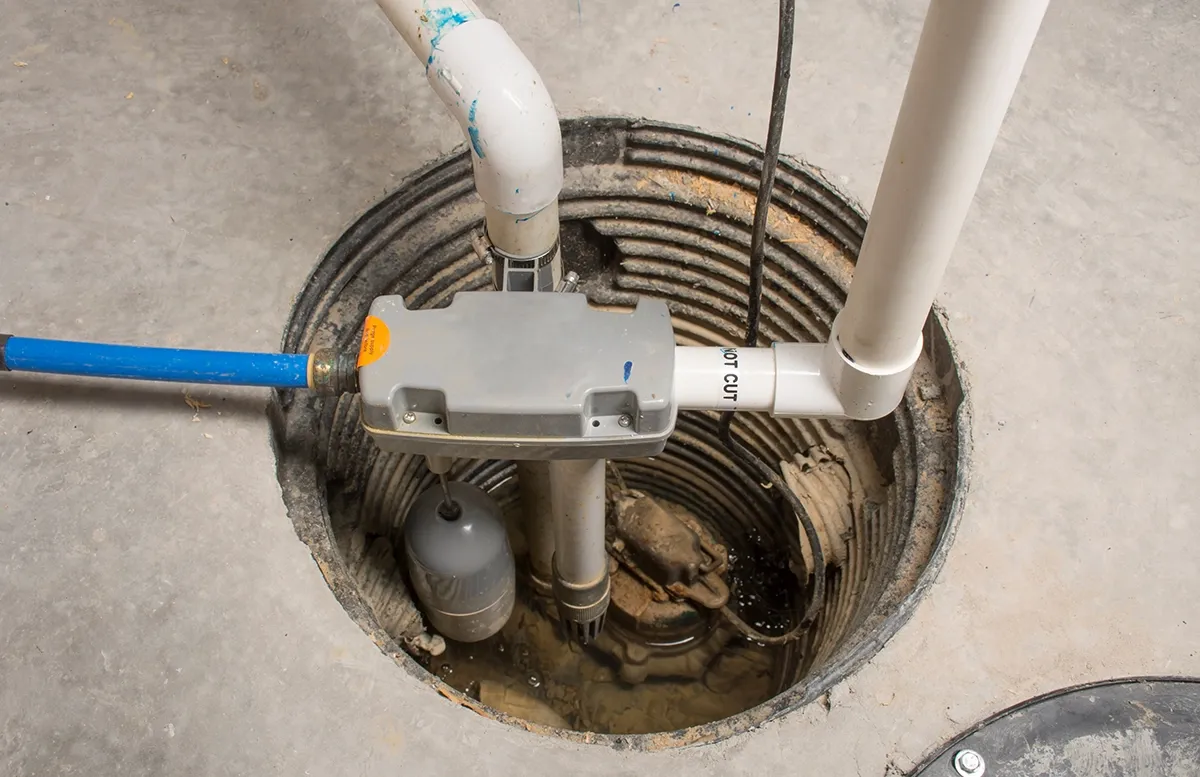
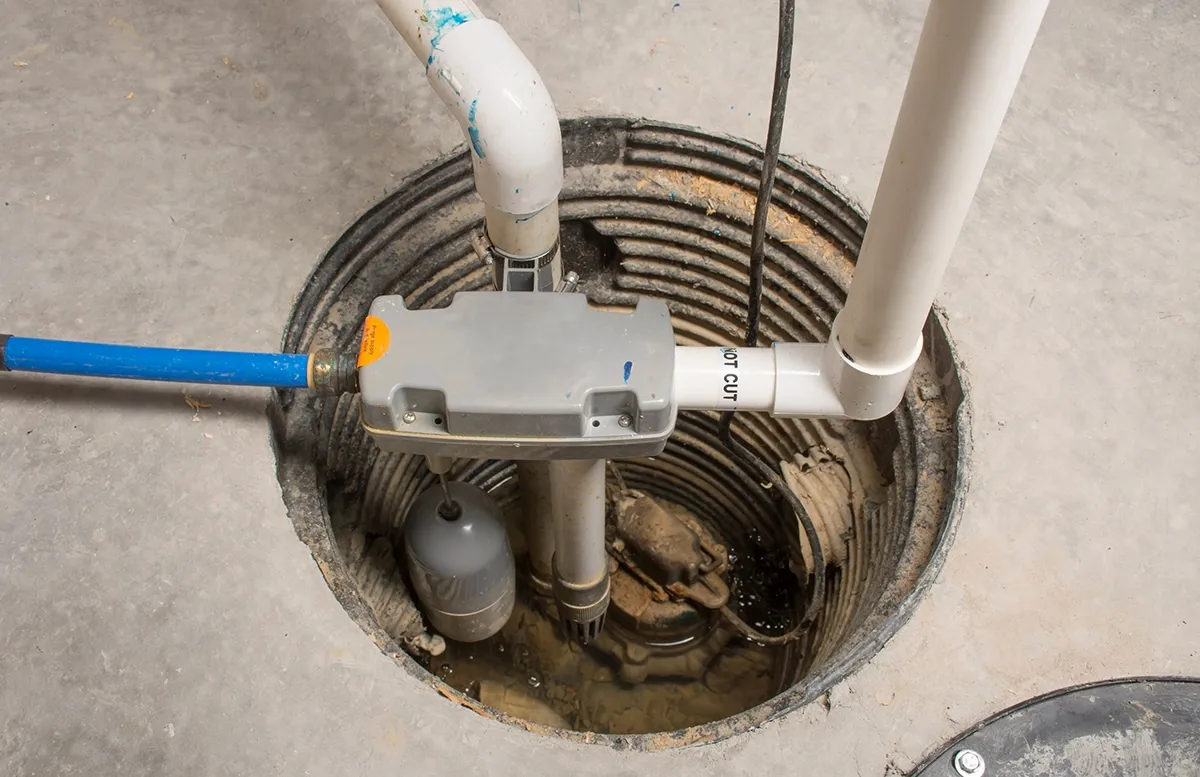
A crawl space sump pump is a specialized drainage system installed beneath your home. It protects your foundation from water intrusion and flooding. When groundwater accumulates in the crawl space, the sump pump automatically activates. This happens during heavy rainfall, poor drainage, or when you have a high water table. The pump removes that water before it can cause structural damage or create hazardous conditions.

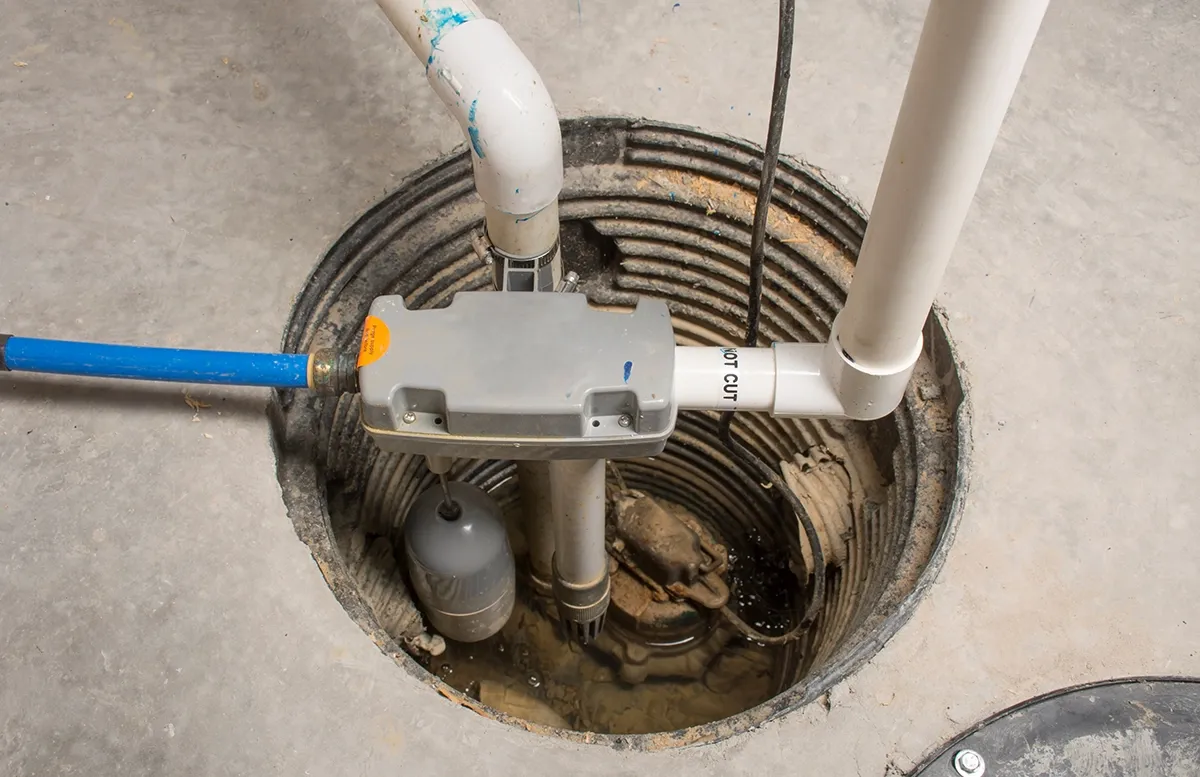
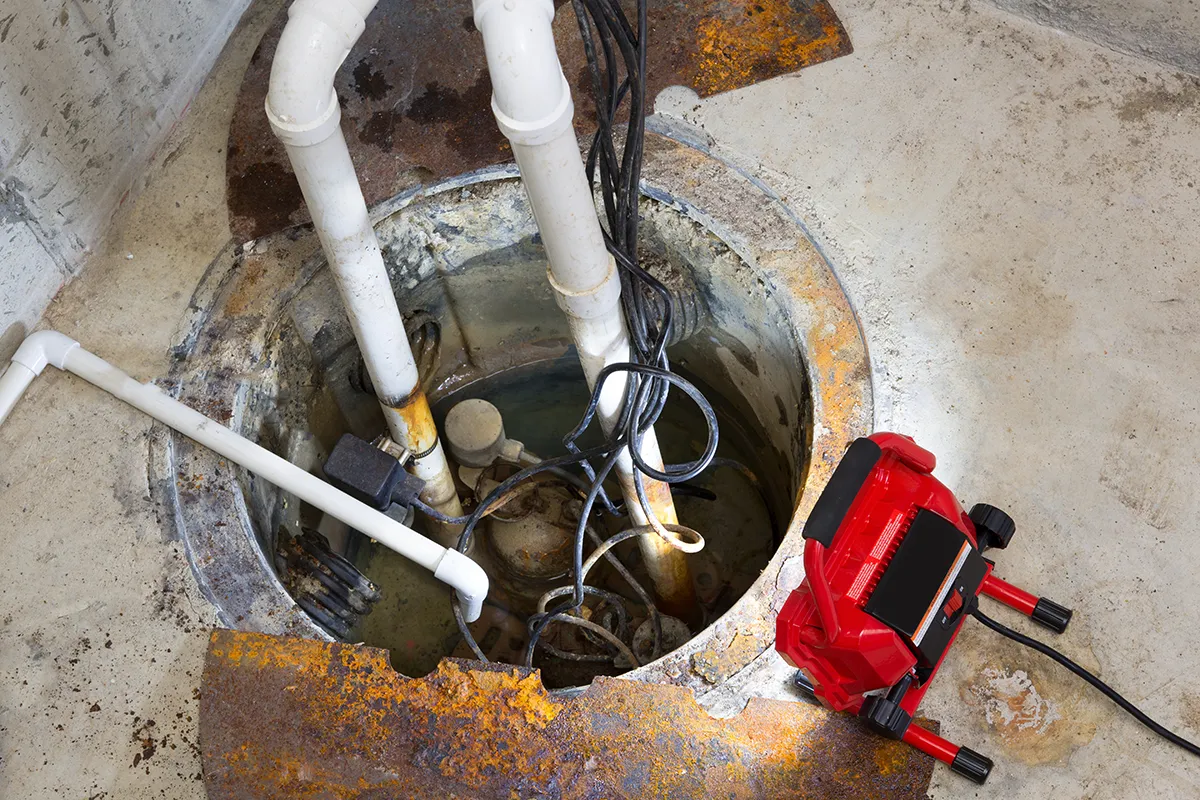
The system consists of two main parts. First, there’s a basin (the sump pit) installed at the lowest point of your crawl space. Water naturally collects there. Second, a pump pushes water away from your foundation through a discharge pipe. According to the Building America Solution Center, these pumps must be covered with a gasketed, airtight cover. This prevents harmful radon gases and excess moisture from migrating into your living areas. Many homeowners overlook this critical safety detail.

We’ve seen how homes in Gastonia can be vulnerable to crawl space flooding. This happens especially during storm season or when drainage systems fail. Standing water, musty odors, or increased humidity in your home are warning signs. These indicate your crawl space may need professional attention. We can inspect your crawl space conditions. Then we’ll recommend whether a sump pump installation or repair is necessary to protect your investment.

Signs Your Crawl Space Sump Pump Needs Attention

We’ve seen homeowners overlook their crawl space sump pump until water damage becomes impossible to ignore. Catching warning signs early can save you thousands in repairs. Plus, it protects your Gastonia home’s foundation from serious harm. Standing water around the pump basin during dry weather is your first red flag. This means the pump isn’t cycling on or isn’t discharging properly. Strange grinding, rattling, or humming noises during operation signal mechanical wear. They also indicate debris interference that demands immediate professional attention.

A musty, damp odor wafting up through your floors often indicates trouble. Your pump isn’t keeping up with moisture intrusion. You might also observe the pump running constantly without shutting off. This typically points to float switch problems. It could also mean an undersized unit struggling against high water volume. We also look for visible rust on the pump housing or frayed electrical cords. A discharge pipe that’s frozen, clogged, or disconnected is another concern. Since many crawl space pumps use vertical float switches in those compact basins, switch malfunctions are common. We diagnose these during service calls.

When you spot any of these symptoms, contact us right away. Our certified technicians can inspect your system and identify the root cause. We’ll restore reliable protection before water threatens your foundation.

Common Crawl Space Sump Pump Problems

When we inspect crawl space sump pumps throughout Gastonia, we consistently see several problems. These compromise their ability to protect your home. Float switch failures top the list. This mechanism tells the pump when to activate. If it sticks, gets tangled, or stops working, your pump won’t turn on even as water rises. You might notice the basin filling dangerously high. You could discover standing water in your crawl space after heavy rain. Both are clear signs the float isn’t triggering properly.

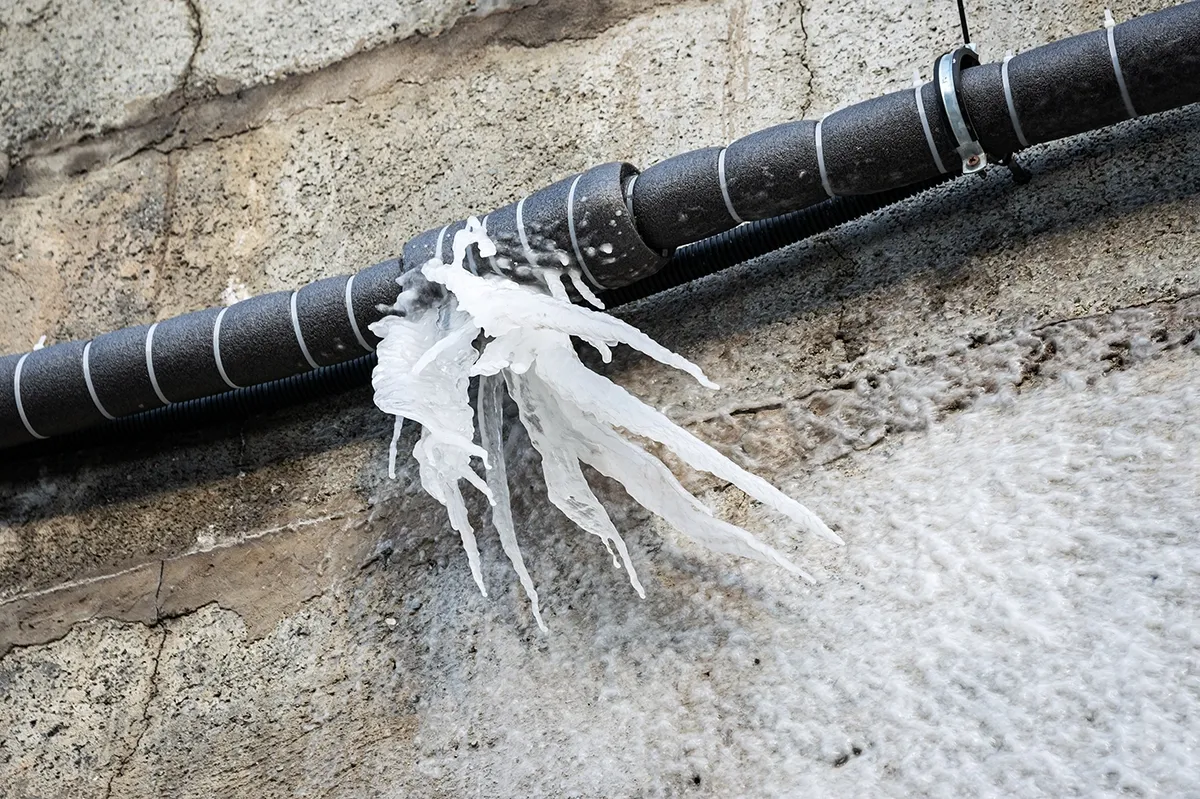
Discharge line clogs and freezing are another frequent culprit. Over time, debris builds up in the pipes. Mineral deposits or ice blockages in winter can prevent water from exiting the pipe. When this happens, the pump runs continuously but moves little to no water. Alternatively, it cycles on and off rapidly. Power interruptions also cause problems. These include tripped breakers, unplugged cords, or storms. They leave your system completely defenseless during the moments you need it most.

We also diagnose issues like worn impellers and check valve failures. Undersized pumps can’t keep pace with your home’s drainage demands either. Because crawl spaces are out of sight, these problems often go unnoticed. Water damage appears before anyone realizes there’s an issue. Our team performs thorough diagnostics to pinpoint exactly what’s failing. We restore your protection before serious damage occurs.

Why Professional Installation Matters

When our licensed technicians install a crawl space sump pump, we perform a comprehensive assessment. This goes far beyond simply placing equipment. We’ll evaluate your specific drainage patterns, soil type, and water table. Foundation design matters too. Then we determine the correct pump capacity, basin size, and discharge routing. An undersized pump can’t keep up during heavy Gastonia rainstorms. Meanwhile, an oversized unit cycles too frequently and wears out prematurely. Our team identifies the lowest collection point where water naturally gathers. We ensure the basin is positioned to prevent airlocks and allow proper float operation.

Professional installation also includes critical backup systems and safety features that protect your home when conditions are most severe. A certified technician will configure check valves to prevent backflow. We verify proper venting to avoid vacuum lock. Discharge lines are routed away from your foundation with freeze protection where needed. The entire system is tested under load to ensure reliable performance when you need it most.

Improper installation can lead to several problems. These include incorrect grading, inadequate sealing, or electrical code violations. Such issues create safety hazards and void warranties. When you need dependable crawl space water management, contact us for professional installation backed by our expertise.

When to Call for Crawl Space Sump Pump Service

Knowing when to reach out for professional help can prevent minor issues from becoming costly emergencies. Your pump running constantly without shutting off is a clear signal. So is failure to activate when water enters the basin. These indicate something’s wrong. Strange grinding or rattling noises demand attention too. Visible rust or corrosion on the unit is another red flag. Water pooling in your crawl space despite an installed pump requires immediate attention from a licensed plumber.

We also recommend scheduling preventive maintenance at least once a year. Ideally, this should happen before Gastonia’s heavy spring rain season. During a professional service visit, our team inspects the float switch. We test the backup system if you have one. The discharge line gets cleared, and we verify that your crawl space sump pump operates efficiently under load. Even if your system seems fine, sediment buildup can quietly compromise performance. Worn components do the same until the next storm hits.

Don’t wait until you’re dealing with standing water or foundation concerns. Contact us whenever you spot warning signs. Also reach out when your annual maintenance window arrives. Our experienced technicians provide thorough diagnostics and reliable repairs. These keep your crawl space dry year-round.

Schedule Your Crawl Space Inspection Today

If you’ve noticed moisture problems, musty odors, or standing water in your crawl space, it’s time to take action. Minor issues can turn into major structural damage quickly. We understand how rapidly crawl space problems can escalate. What starts as dampness can lead to mold growth, wood rot, and even foundation compromise. Our licensed technicians are equipped to evaluate your specific situation. We’ll determine whether a sump pump system is the right solution for your home.

When you contact us, we’ll conduct a thorough inspection of your crawl space. This helps identify drainage patterns, moisture sources, and potential risk factors. We’ll assess the slope of your property and examine existing drainage systems. We also check for signs of past flooding or water intrusion. Based on our findings, we’ll recommend the most effective approach. This might involve installing a new crawl space sump pump or upgrading your current system. We may also need to address other drainage concerns.

Don’t wait until water damage forces your hand. Call us today to schedule your crawl space inspection. Get peace of mind knowing your home is protected. We serve Gastonia homeowners with reliable, long-lasting solutions.

Frequently Asked Questions

How do I know if I need a crawl space sump pump?

You likely need a crawl space sump pump if you notice standing water beneath your home. Musty odors rising through your floors are another sign. Visible moisture on crawl space walls also indicates a need for protection. High water tables, poor drainage, and frequent flooding require professional protection too. Our team can inspect your crawl space. We’ll recommend the right solution for your Gastonia home’s specific drainage challenges.

How long does a crawl space sump pump last?

Most crawl space sump pumps last seven to ten years with proper maintenance. However, lifespan varies based on usage frequency and water volume. We’ve seen pumps fail earlier due to constant operation or lack of annual servicing. If your pump is approaching this age, watch for warning signs. Unusual noises or cycling issues indicate trouble. Contact us for a professional inspection when these occur.

Can a sump pump prevent mold in my crawl space?

Yes, a properly functioning sump pump prevents mold. It removes water before it creates the damp conditions mold needs to grow. However, the pump must have an airtight sealed cover. This controls humidity effectively. If you’re already noticing musty smells or visible mold, call us right away. Our technicians can address moisture sources and install the right system to protect your home.

What happens if my crawl space pump stops working during a storm?

If your pump fails during a storm, water will accumulate rapidly beneath your home. This risks foundation damage, wood rot, and flooding into living areas. That’s why we strongly recommend battery backup systems. These activate automatically during power outages or primary pump failures. Our team can assess your current setup. We can add backup protection to keep your Gastonia home safe year-round.

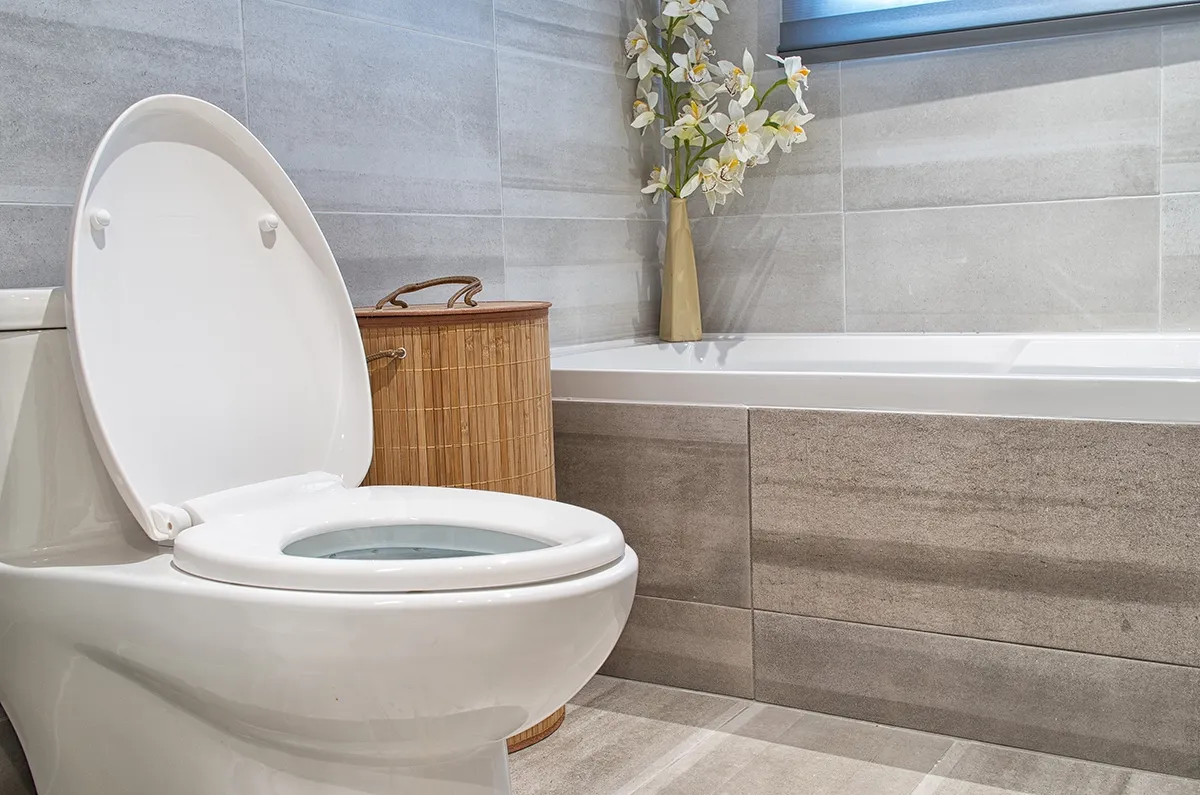
Toilet leaking at base with water pooling on gray bathroom tile floor

Toilet Leaking at Base? Causes, Fixes & Expert Help

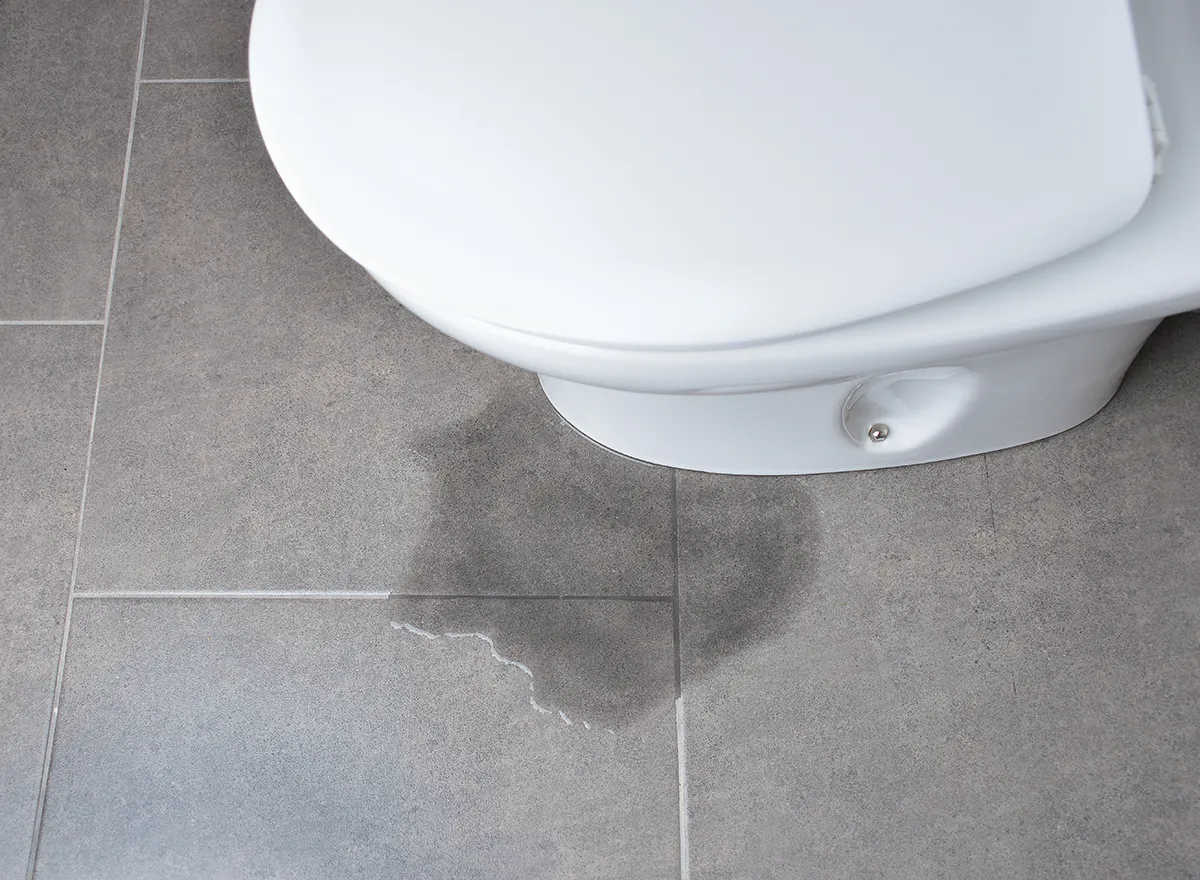
Discovering your toilet leaking at the base is more than just a nuisance—it’s a red flag that something underneath has failed or shifted, and it won’t fix itself. Water pooling around the bottom of your toilet can damage your flooring, encourage mold growth, and even compromise the subfloor if left unchecked.

The good news is that this is a problem we see and resolve regularly for homeowners. While it might be tempting to ignore a small puddle or assume it’s just condensation, a leak at the base typically points to a worn wax ring, loose bolts, or even a cracked fixture. That’s why it’s important to act quickly and call a licensed plumber who can diagnose the root cause, prevent further damage, and restore your bathroom to safe, dry working order.

Why Is Your Toilet Leaking at the Base?

When you notice water pooling around the base of your toilet after every flush—or even when no one’s used it—you’re seeing one of the most common plumbing problems homeowners face. This kind of leak isn’t just a minor annoyance. Water seeping from beneath the toilet can quickly damage subflooring, promote mold growth, and lead to costly repairs if left untreated. We’ve responded to countless service calls in Gastonia NC where a small puddle turned into rotted wood and structural damage within weeks.

The good news? Most toilet leaks at the base stem from just a couple of culprits. According to industry reports, failed wax ring seals or loose mounting bolts account for over 90% of these cases. The wax ring creates a watertight seal between your toilet and the drain pipe in the floor. Over time, that seal can compress, crack, or shift—especially if the toilet rocks slightly when you sit down. Loose bolts can allow the toilet to move, breaking that seal and letting water escape with every flush.

If you’re seeing water around your toilet base, it’s time to call our team at Superior Plumbing and Drains. Our certified technicians will diagnose the exact cause and restore a secure, leak-free seal before damage spreads. Addressing a toilet leaking at base early prevents minor problems from becoming major repairs.

Common Causes of a Toilet Leaking at Base

When we respond to calls about water pooling around a toilet, we typically find one of three culprits during our inspection. The wax ring—a seal between the toilet base and the drain flange—is by far the most common failure point. Over time, this ring can dry out, compress, or shift, breaking the watertight barrier that keeps sewer gases and water contained. We also frequently discover loose closet bolts, the T-bolts that anchor your toilet to the floor. Even a quarter-turn of looseness can allow rocking that eventually compromises the wax seal.

The third common cause is flange damage. The flange is the pipe fitting that connects your toilet drain to the waste line below. Cracks, corrosion, or an improper installation height can prevent a proper seal from forming—no matter how new the wax ring is. According to industry studies, water damage from toilet leaks can progress from subtle stains in one to seven days to subfloor rot within two to four weeks without intervention. This is why we always recommend immediate professional diagnosis when you notice moisture at the base. If you ignore a toilet leaking at base, you risk extensive damage that could have been prevented with quick action.

Our certified technicians can quickly identify which component has failed, assess any hidden water damage, and restore a watertight seal before costly structural damage occurs.

Warning Signs You Shouldn’t Ignore

While a small puddle around your toilet base might seem minor, certain warning signs tell us the problem demands immediate professional attention. We urge homeowners in Gastonia to watch for soft or spongy flooring near the toilet—this indicates water has penetrated the subfloor, potentially causing structural damage and rot. If you notice discoloration on your ceiling below the bathroom or buckled vinyl and warped hardwood around the base, the leak has likely been active longer than you realize.

Persistent musty odors or sewage smells are equally concerning. These odors often mean wastewater is escaping from a compromised seal, creating serious health hazards for your family. You might also observe mold or mildew growth on nearby baseboards or walls, visible staining on the floor, or even movement when you sit on the toilet—all signs that the flange or subfloor has weakened. Recognizing these symptoms of a toilet leaking at base helps you understand when professional intervention is necessary.

When we respond to these calls, we frequently find that homeowners waited too long. As a result, what could have been a straightforward repair turns into a more extensive restoration project. At the first sign of moisture, odor, or floor damage around your toilet, contact Superior Plumbing and Drains for a thorough inspection. Our licensed technicians can identify the root cause and prevent minor leaks from becoming major restoration projects.

What Happens If You Ignore a Base Leak?

Even a small toilet leak at the base can turn into a costly nightmare if left unaddressed. Water seeping beneath your toilet doesn’t just stay on the surface—it saturates the subfloor, weakens the wood structure, and creates the perfect breeding ground for mold and mildew. In Gastonia’s humid climate, moisture hidden beneath your bathroom floor can spread quickly, causing odors, health hazards, and rot that extends far beyond the immediate leak area.

We’ve seen situations where homeowners waited just a few weeks, only to discover extensive subfloor damage. The repairs then required replacement of joists, underlayment, and even ceiling repairs in rooms below. Ignoring a base leak can lead to repairs that escalate significantly. Mold growth behind walls and under flooring poses serious respiratory risks to your family. Meanwhile, structural damage compromises the stability of your bathroom floor—making it soft, spongy, or even unsafe to walk on. Don’t underestimate the damage potential when you have a toilet leaking at base—even small amounts of water cause big problems over time.

The moment you notice water pooling around your toilet base, it’s time to schedule an estimate. Our certified technicians can diagnose the source, assess any hidden damage, and restore your toilet to a watertight, safe condition before minor issues become major renovations.

How a Professional Fixes a Toilet Leaking at Base

When you call Superior Plumbing and Drains for a toilet leaking at the base, our certified plumbers begin with a thorough diagnosis to identify the exact cause. We inspect the wax ring seal, flange condition, toilet bolts, and the subfloor for hidden water damage. Our team checks whether the toilet is properly anchored and whether the flange sits at the correct height relative to your finished floor—a common issue that many homeowners don’t realize can cause chronic leaking.

Once we’ve pinpointed the problem, we safely remove the toilet and assess any damage to the flange or floor. Next, we replace worn components with professional-grade materials. If the toilet flange is cracked, corroded, or sitting too low, we make the necessary repairs or install a flange extender to restore a proper seal. Similar to how we handle other common plumbing issues like a garbage disposal leaking from bottom, we then reinstall the toilet with a new wax ring or modern rubber seal. We torque the bolts to manufacturer specifications and test for leaks before we leave.

Our work is backed by warranty, and we ensure your bathroom floor is protected from future water damage. According to the EPA’s WaterSense program, fixing household leaks promptly helps conserve water and prevent unnecessary waste. Trust our licensed plumbers to handle every detail safely and correctly.

Why Choose Superior Plumbing and Drains for Your Toilet Repair

At Superior Plumbing and Drains, we understand that a toilet leaking at base creates stress and urgency for homeowners. That’s why we prioritize fast response times, transparent pricing, and quality workmanship on every service call. Our licensed technicians bring years of experience diagnosing and repairing toilet leaks throughout Gastonia, and we use only professional-grade materials that stand the test of time. We don’t just fix the immediate problem—we inspect the entire installation to ensure lasting results and prevent future issues.

Unlike quick-fix solutions that might mask symptoms temporarily, our team addresses the root cause of your leak. We check the flange integrity, measure proper installation height, evaluate subfloor condition, and test the seal thoroughly before we consider the job complete. Our commitment to quality means you won’t be calling us back in a few months with the same problem. We also respect your home and your time, arriving promptly with all necessary equipment and leaving your bathroom clean and fully functional.

Every repair we complete is backed by our satisfaction guarantee, giving you peace of mind that your plumbing investment is protected. Whether you’re dealing with a minor wax ring replacement or more extensive flange and subfloor repairs, our team has the expertise and equipment to handle it correctly the first time. We believe in building long-term relationships with our customers by delivering honest assessments, fair pricing, and exceptional service on every call.

Preventing Future Toilet Base Leaks

Once we’ve repaired your toilet leaking at base, you’ll want to keep it functioning properly for years to come. While some wear and tear is inevitable, there are warning signs you can watch for that indicate it’s time to call a professional before a new leak develops. If you notice any rocking motion when you sit on the toilet, contact us right away—even slight movement can gradually break the wax seal and lead to leaks. Similarly, if you see any water around the base after flushing, don’t wait to see if it happens again. Early intervention prevents minor issues from becoming major damage.

Regular professional plumbing inspections can also catch potential problems before they cause leaks. During routine maintenance visits, our technicians check toilet stability, inspect visible plumbing components, and identify any signs of wear that could lead to future failures. We also recommend scheduling an inspection if your home is more than 15 years old or if you’ve never had your plumbing system professionally evaluated. Older homes in Gastonia often have original wax rings and flanges that are nearing the end of their service life.

Pay attention to changes in your toilet’s performance, such as longer flush times, gurgling sounds, or difficulty achieving a complete flush. These symptoms can indicate underlying issues that might eventually lead to leaks. Similarly, if you notice persistent moisture or musty odors in your bathroom even after we’ve completed repairs, let us know immediately. Our team is always available to address your concerns and ensure your plumbing system remains in optimal condition.

Understanding the Cost of Toilet Leak Repairs

Many homeowners hesitate to call a professional when they first notice a toilet leaking at base because they’re concerned about repair costs. However, waiting almost always makes the situation more expensive. A straightforward wax ring replacement caught early typically costs far less than the extensive subfloor repairs, mold remediation, and structural restoration required when a leak goes unaddressed for weeks or months. The true cost of ignoring a toilet leak includes not just plumbing repairs, but also flooring replacement, potential ceiling repairs in rooms below, and the health risks associated with mold exposure.

At Superior Plumbing and Drains, we provide upfront pricing before beginning any work. During our initial inspection, we’ll assess the extent of the problem, identify all affected components, and give you a clear estimate that covers the complete repair. We believe in transparency, so you’ll never encounter surprise charges or hidden fees. Our pricing reflects the quality materials we use, the expertise our licensed technicians bring to every job, and the warranty protection that backs our work.

We also help homeowners understand that investing in professional repairs now protects your home’s value and prevents far more costly damage down the road. The expense of replacing a damaged subfloor, treating mold growth, or repairing structural damage to floor joists can easily exceed the cost of the entire bathroom renovation. By addressing toilet leaks promptly with quality professional repairs, you’re making a smart financial decision that protects your most valuable asset—your home.

Emergency Toilet Leak Service in Gastonia

Plumbing emergencies don’t wait for convenient times. When you discover water pooling around your toilet base late at night, on a weekend, or during a holiday, you need a plumbing team that’s ready to respond. Superior Plumbing and Drains offers emergency service throughout Gastonia and surrounding areas because we know that every hour a leak continues, the damage potential increases. Our emergency technicians arrive equipped with the tools, parts, and expertise needed to diagnose and repair your toilet leaking at base quickly, minimizing water damage and restoring your bathroom to safe working order.

We understand the stress and disruption a plumbing emergency creates for your household. That’s why our emergency service includes the same quality workmanship, professional-grade materials, and thorough inspection we provide during regular business hours. You won’t get a temporary patch job that fails in a few weeks—you’ll receive a complete, lasting repair that addresses the root cause of your leak. Our emergency technicians also assess any water damage that’s occurred and provide recommendations for protecting your home from further issues.

Don’t let a toilet leak turn your home into a disaster zone. When you need immediate help, our emergency line connects you with a live person who can dispatch a certified technician to your location quickly. We’ll work efficiently to stop the leak, protect your flooring from additional water exposure, and restore your toilet to proper function so your family can get back to normal routines. Your comfort and your home’s safety are our top priorities, no matter when you call.

Get Expert Help in the Gastonia Area Today

When you discover water pooling around the base of your toilet, time matters. What starts as a small leak can quickly lead to subfloor damage, mold growth, and costly structural repairs. At Superior Plumbing and Drains, we understand the urgency of toilet leaks in Gastonia area homes, and we’re ready to respond quickly to protect your property. Whether you’re dealing with a toilet leaking at base or any other plumbing emergency, our experienced team is here to help.

Our licensed technicians arrive equipped to diagnose the exact source of your leak—whether it’s a failed wax ring, loose bolts, a cracked flange, or damage to the toilet itself. We’ll assess the entire installation, check for hidden water damage, and provide you with honest recommendations before beginning any work. Just as we help homeowners understand issues like why a toilet is gurgling or address a slow flushing toilet, we believe homeowners deserve transparency and quality workmanship. That’s why we stand behind every repair we complete.

Don’t let a toilet leak disrupt your daily routine or threaten your home’s integrity. We offer same-day service throughout Gastonia and the surrounding areas, with upfront pricing and no surprises. Call Superior Plumbing and Drains today, and let our experienced team restore your bathroom to safe, leak-free condition. Your peace of mind is just one phone call away.

Frequently Asked Questions

How do I know if my toilet is leaking from the base or just condensation?

Condensation forms on the outside of the tank and drips down, while a base leak pools directly around the toilet bottom after flushing. Dry the area completely, then flush and watch where water appears. If it seeps from underneath the toilet base, you have a seal failure that needs professional repair. We recommend calling our team for an accurate diagnosis before water damage spreads.

Can a toilet leaking at the base cause damage to my floor?

Yes. Water seeping beneath your toilet saturates the subfloor, causing wood rot, mold growth, and structural damage within weeks. In Gastonia’s humid climate, moisture spreads quickly and can compromise joists, underlayment, and even ceilings below. That’s why we always urge homeowners to call Superior Plumbing and Drains immediately when they notice any moisture around the toilet base.

How much does it cost to fix a leaking toilet base?

Repair costs vary depending on the cause and extent of damage, as well as the scope of work required. If the flange is damaged or the subfloor has rotted, the project becomes more involved. During our inspection, we provide upfront pricing before starting any work. Call Superior Plumbing and Drains for an honest assessment and transparent quote tailored to your specific situation.

Should I turn off the water if my toilet is leaking at the base?

Yes, turn off the water supply valve behind the toilet to prevent additional water from leaking during flushes. This minimizes further damage until our certified technician arrives. Avoid attempting to remove or adjust the toilet yourself, as improper handling can crack the fixture or worsen flange damage. Contact us right away, and we’ll respond quickly to restore your toilet safely.

Can a toilet leak at the base contaminate my home with sewage?

Yes, when the wax seal fails, wastewater can escape along with clean water. This creates serious health hazards as sewage contains harmful bacteria and pathogens. If you notice foul odors along with water pooling around your toilet base, sewage contamination is likely occurring. This situation requires immediate professional attention to protect your family’s health. Our technicians will safely address the contamination, repair the seal, and help you understand any cleaning or sanitization steps needed.

Technician inspecting a water heater pressure relief valve during professional water heater safety maintenance

Water Heater Pressure Relief Valve: Complete Guide

Your water heater pressure relief valve is one of the most critical safety devices in your home, yet most homeowners never give it a second thought until something goes wrong. This small valve is designed to release excess pressure and prevent dangerous tank ruptures or explosions. When it starts dripping, leaking, or stays completely silent when it should activate, it’s sending you an urgent warning. We see too many cases where a faulty relief valve led to costly water damage, scalding risks, or even complete system failure. These problems could have been caught early with proper attention.

Understanding what this valve does and recognizing the signs of trouble can protect both your family and your property. Knowing when to call a licensed professional makes all the difference.

What Is a Water Heater Pressure Relief Valve?

Your water heater’s pressure relief valve is one of the most critical safety devices in your entire plumbing system. This small but essential component—typically mounted on the top or side of your tank—serves as a fail-safe mechanism. It’s designed to prevent catastrophic pressure buildup inside the water heater. When water is heated, it expands, creating pressure. If that pressure becomes dangerously high and has nowhere to escape, the tank itself could rupture or even explode.

The relief valve monitors both temperature and pressure continuously. According to industry standards, most water heaters have a maximum allowable working pressure of 150 psi. Some units are rated higher, however. When internal pressure approaches unsafe levels—or when water temperature exceeds approximately 210°F—the valve automatically opens. This releases excess pressure and hot water through a discharge pipe, usually routed safely to the floor or outdoors. This prevents damage to your tank, your home, and most importantly, keeps your family safe from a rare but serious hazard.

We inspect this valve during every water heater service visit. After all, a malfunctioning relief valve represents a genuine safety concern that homeowners in Gastonia should never ignore.

Warning Signs Your Pressure Relief Valve Needs Attention

Your water heater’s pressure relief valve serves as a critical safety device. Recognizing when it’s struggling can prevent dangerous pressure buildup or water damage in your home. We’ve responded to countless emergency calls that could have been avoided if homeowners had spotted these telltale signs earlier.

The most obvious symptom is water dripping or streaming from the discharge pipe. That’s the metal or plastic tube running down from the valve near the top of your tank. According to the International Codes Council, any discharge from a relief valve signals a problem with your water distribution system, a heater malfunction, or a faulty valve itself. You might also hear hissing, popping, or whistling sounds coming from the valve area. These often indicate steam or excessive pressure trying to escape. Some homeowners notice constant water puddles near the base of the discharge pipe. Others spot mineral deposits crusting around the valve body. Both are clear signs the valve has been releasing water regularly.

If you observe any of these warning signs, don’t wait for the situation to worsen. Contact us immediately. Our certified technicians will diagnose whether you’re dealing with excessive system pressure, a failing valve, or an underlying heater issue that requires professional attention.

Why Water Heater Pressure Relief Valves Fail

Understanding why these critical safety components fail helps homeowners in Gastonia recognize problems before they become emergencies. We see several common causes when we’re called to inspect failing pressure relief valves. Each leaves distinct clues during a professional assessment.

Mineral buildup ranks as the most frequent culprit. Gastonia’s water contains dissolved minerals that gradually accumulate inside the valve mechanism. This prevents the spring and disc from sealing properly. Age is another significant factor—most valves have a service life of three to five years. After this period, the internal components simply wear out from repeated temperature cycles and pressure changes. Sudden pressure spikes caused by thermal expansion or municipal water pressure fluctuations can damage the valve’s internal seals. This causes persistent dripping or complete failure to relieve dangerous pressure when needed.

Improper installation also leads to premature failure. When a valve isn’t seated correctly or the discharge tube configuration creates back-pressure, the valve can’t function as designed. We frequently discover that a valve replaced by an unlicensed installer was the wrong temperature or pressure rating for the system. If you’re experiencing any valve issues, we can diagnose the root cause. We’ll then install the correct replacement to restore your water heater’s essential safety protection.

What Happens During a Professional Valve Inspection

When you call us for a water heater pressure relief valve inspection, our certified technicians follow a systematic process. We evaluate both the valve itself and the conditions that affect its operation. We begin by checking the discharge pipe for proper installation and clearances. Then we carefully examine the valve body for corrosion, mineral buildup, or signs of previous leaks. Our team uses calibrated gauges to measure your water heater’s actual operating pressure and temperature. We compare these readings against manufacturer specifications and safety thresholds.

During the inspection, we’ll perform a controlled test of the valve’s mechanical operation. This confirms it opens and closes properly. This step requires professional expertise because forcing a corroded or stuck valve can cause immediate failure or flooding.

We also inspect the tank itself for bulging, rust stains, or other indicators that excessive pressure has stressed the system. If we discover the valve has been leaking intermittently or the pressure readings are abnormal, we’ll trace the root cause. Whether it’s thermal expansion from a closed plumbing system, a faulty thermostat, or sediment affecting tank pressure, we’ll identify the issue. This comprehensive diagnostic approach ensures we address not just the valve, but any underlying issue threatening your water heater’s safe operation.

When to Call a Licensed Plumber for Your Relief Valve

If you notice water pooling beneath your water heater, continuous dripping from the discharge pipe, or steam and unusual sounds coming from the unit, it’s time to call us immediately. These symptoms often indicate a failing water heater pressure relief valve. More seriously, they can signal excessive pressure building inside your tank. Both scenarios require urgent professional attention to prevent catastrophic failure.

Don’t wait if your relief valve has begun leaking regularly, even if it seems minor. What starts as a small drip can signal corrosion or mineral buildup preventing a proper seal. It can also indicate dangerously high pressure or temperature inside the tank. Our licensed plumbers have the diagnostic tools and expertise to determine whether the valve itself needs replacement. We can also identify if there’s an underlying issue with your water heater’s thermostat or other system components. We’ll also inspect the discharge piping to ensure it meets code and directs scalding water safely away from your home’s foundation and living areas.

We prioritize your family’s safety. If you’re uncertain about any aspect of your water heater’s operation or notice anything unusual, give us a call. Professional inspection protects your home, prevents emergency failures, and gives you peace of mind that your system is operating safely.

Schedule Your Water Heater Safety Check Today

Your water heater pressure relief valve is a critical safety component that deserves regular professional attention. We recommend scheduling a water heater safety inspection at least once a year. This ensures every protective feature is functioning properly. During our thorough inspection, we’ll test your relief valve, check for leaks or corrosion, and verify proper discharge piping. We’ll also examine tank condition and confirm that all safety systems are operating as designed.

According to the U.S. Department of Energy, water heater maintenance can help improve efficiency and extend equipment life. During our thorough inspection, we’ll test your relief valve, check for leaks or corrosion, look for signs of a failing relief valve, and verify proper discharge piping. We’ll also examine tank condition and confirm that all safety systems are operating as designed.

Don’t wait for a small drip to become a dangerous situation. Contact us today to schedule your water heater safety check. We’ll give you honest answers, expert recommendations, and the peace of mind that comes from knowing your home’s water heating system is safe and reliable. Call us now to book your appointment.

Frequently Asked Questions About the Water Heater Pressure Relief Valve

How often should a water heater pressure relief valve be tested?

Homeowners should inspect their relief valve annually for signs of leaks or corrosion. However, we recommend professional inspection and testing at regular intervals to ensure the valve operates correctly and safely releases excess pressure. Our licensed technicians can test the valve mechanism, measure operating pressure, and confirm your entire water heater system meets current safety standards. This approach avoids risking damage from improper testing.

What causes a water heater pressure relief valve to leak?

Mineral buildup inside the valve mechanism prevents proper sealing, while age-related wear causes internal components to deteriorate over time. Excessive system pressure from thermal expansion or municipal water fluctuations can also damage seals. Because a leaking valve signals either valve failure or dangerous pressure conditions, we recommend calling us immediately for professional diagnosis and repair.

Can I replace a pressure relief valve myself?

Relief valve replacement requires specialized knowledge of plumbing codes, proper pressure ratings, discharge pipe configuration, and safe water heater operation. Incorrect installation can create serious safety hazards including scalding, flooding, or tank failure. Our certified plumbers ensure the correct valve for your specific water heater model. We test system pressure and verify all safety mechanisms function properly to protect your family and home.

How can I tell if my pressure relief valve is working properly?

A properly functioning water heater pressure relief valve should remain dry and quiet during normal operation. You shouldn’t see any drips, moisture, or mineral deposits around the valve body or discharge pipe. If you notice steam, hear hissing sounds, or find water leaking from the valve or discharge tube, these are warning signs that something is wrong. Our licensed plumbers use specialized testing equipment to verify your valve operates within safe parameters and will open when needed to protect your tank from dangerous pressure buildup.

Bathtub drain clogged with standing water and plunger

Bathtub Drain Clogged? What to Do Next

When your bathtub drain clogs and water pools around your ankles mid-shower, it’s more than just an inconvenience—it’s a sign that something deeper in your plumbing system needs attention. Hair, soap scum, and mineral buildup don’t just disappear on their own. That slow drain you’ve been ignoring can quickly turn into a complete blockage. We’ve seen countless homeowners try store-bought chemicals or plungers, only to call us when the problem comes right back or gets worse.

At Superior Plumbing and Drains, our trained technicians understand exactly what causes these stubborn clogs. They know how to clear them safely without damaging your pipes. Every bathtub drain connects to a larger system, so addressing the issue early can save you from costly repairs down the road.

Why Your Bathtub Drain Clogged and Won’t Clear

When you notice water pooling around your ankles during a shower, you’re dealing with one of the most common plumbing frustrations in Gastonia homes. Most bathtub clogs develop gradually over weeks or months. They start as a slow drain before becoming completely blocked. Hair is almost always the primary culprit—it catches on rough surfaces inside the drain pipe. Then it creates a net that traps soap residue, skin cells, and other debris.

What makes bathtub clogs particularly stubborn is the sticky matrix that forms around that hair. Hard water minerals combine with soap to form sticky residue. This provides a surface for hair to latch onto. Here in Gastonia, many homes have moderately hard water. This means buildup happens faster than you might expect. The combination creates a dense, greasy mass that won’t budge with hot water or basic plunging.

We also frequently find that older drain assemblies have corroded surfaces or misaligned pipes that speed up clog formation. When we inspect your bathtub drain clogged beyond simple clearing, we examine the entire drain assembly—not just the visible stopper. Our team can identify whether you’re dealing with a surface-level hair clog or a deeper pipe issue near the P-trap. Either way, professional attention will resolve the problem completely.

Warning Signs Your Drain Needs Professional Attention

A bathtub drain clogged with hair, soap scum, or debris rarely happens overnight. We’ve found that most homeowners notice several warning signs before standing ankle-deep in water during their shower. Slow drainage is usually the first red flag. If your tub takes five minutes or longer to empty completely, something is restricting flow in the pipe. Gurgling sounds when water drains are also telltale symptoms. Strange odors rising from the drain indicate that a blockage is forming deeper in your plumbing system.

More urgent signs include water backing up into your tub when you run the bathroom sink, toilet, or washing machine. This crossover indicates the clog may be located beyond your individual fixture. It might be in the p-trap or even further down in your main drain line. Standing water that refuses to budge at all is an emergency that requires immediate professional diagnosis.

At Superior Plumbing and Drains, we recommend calling us at the first sign of persistent slow drainage. What starts as a minor inconvenience can quickly escalate into pipe damage. It can also cause water damage to your flooring or a complete sewage backup. Our certified technicians can inspect your drain system and identify the exact location and cause of the blockage. We’ll resolve it before it becomes a costly emergency.

What Happens When a Bathtub Drain Clogged Goes Untreated

Ignoring a sluggish or stopped-up bathtub drain might seem harmless at first, but the consequences can build quickly. Standing water creates moisture problems around your tub, grout, flooring, and nearby walls. According to the U.S. Environmental Protection Agency, moisture control is key to mold control, which is why lingering bathroom moisture should not be ignored.

When water cannot drain properly, it may seep into subflooring, grout lines, and wall cavities. Over time, that moisture can contribute to musty odors, discolored grout, mildew, and hidden rot. This is especially true in Gastonia’s humid climate, where damp areas may take longer to dry.

Beyond the immediate water damage risks, untreated clogs put stress on your plumbing system. Trapped water increases pressure inside drain lines. This potentially weakens pipe joints and seals. The clog itself grows denser over time as soap residue, hair, and mineral deposits continue to accumulate. What starts as a minor slowdown can escalate into a complete blockage requiring emergency intervention. We’ve seen cases where delayed action led to pipe corrosion, leaks behind walls, and even sewage backups when the main line becomes affected.

At Superior Plumbing and Drains, we encourage homeowners to address drainage issues at the first sign of trouble. Our licensed technicians can diagnose the underlying cause and provide professional drain clearing before minor problems turn into major repairs.

How Our Technicians Diagnose and Clear Stubborn Clogs

When you call Superior Plumbing and Drains for a stubborn bathtub drain clog, our certified technicians arrive with specialized diagnostic tools. They bring the experience to identify exactly what’s blocking your drain—and where. We start with a thorough visual inspection and conversation about what symptoms you’ve noticed. Then we use professional-grade drain cameras to pinpoint the location and nature of the blockage. This camera inspection reveals whether you’re dealing with accumulated hair and soap buildup. It also shows us if there’s a collapsed pipe section, root intrusion, or another hidden issue stopping proper drainage.

Once we’ve diagnosed the problem, we select the most effective clearing method for your specific situation. For dense organic clogs, we may use motorized drain augers that safely break through blockages. These tools won’t damage your pipes. In cases involving heavy mineral buildup or more complex obstructions, hydro-jetting equipment delivers high-pressure water streams. This scours pipe walls clean and restores full flow. Our approach isn’t one-size-fits-all. We match the solution to your drain’s condition, pipe material, and the severity of the clog. This ensures lasting results and protects your plumbing system’s integrity.

When to Call Superior Plumbing and Drains for Help

While minor slow drains sometimes respond to simple cleaning methods, certain warning signs indicate it’s time to contact our licensed plumbing professionals. If water remains completely standing in your bathtub for hours, the clog is likely deeper in your drain system than home methods can reach. We recommend calling us immediately if you notice sewage odors coming from the drain. Multiple fixtures backing up simultaneously or gurgling sounds from other drains when you use the tub are also urgent signs. These symptoms often point to main line issues that require professional diagnosis and equipment.

Our team at Superior Plumbing and Drains serves Gastonia area homeowners with advanced diagnostic tools. These include video camera inspections that pinpoint the exact location and nature of stubborn clogs. We can identify whether tree roots, pipe deterioration, or severe buildup is causing your drainage problem. From there, we can explain the issue clearly and recommend the right solution for your home.

Common Bathtub Drain Problems We See in Gastonia Area Homes

Homeowners throughout Gastonia call us for bathtub drains that are slow, fully stopped, or backing up with unpleasant odors. In many cases, the issue starts with hair and soap buildup near the drain assembly. However, some clogs form deeper in the line and need professional equipment to clear safely.

We also see recurring bathtub clogs caused by corroded drain parts, older pipes, or buildup that was never fully removed. Store-bought drain cleaners may seem convenient, but they often provide temporary relief. In some cases, they can also be harsh on older plumbing.

If your tub keeps draining slowly, smells bad, or backs up when other fixtures run, it’s time to schedule service. Superior Plumbing and Drains can inspect the line, identify the cause, and clear the blockage properly.

Schedule Your Bathtub Drain Clogged Inspection Today

When you’re dealing with standing water in your bathtub, waiting only makes the problem worse. What starts as slow drainage can quickly escalate into a complete blockage. It can also cause backups into other fixtures or even water damage if overflow occurs. We’ve seen countless homeowners who delayed calling us end up facing more extensive repairs. They faced higher costs than if they’d reached out at the first sign of trouble.

At Superior Plumbing and Drains, we respond quickly because we know how disruptive drain issues can be to your daily routine. Our licensed technicians arrive equipped with professional-grade cameras, hydro-jetting equipment, and specialized tools. We diagnose exactly what’s causing your backup—whether it’s hair accumulation, soap buildup, corroded pipes, or a more serious line issue. We’ll identify the root cause and clear the obstruction completely. Plus, we give you honest guidance on preventing future clogs.

Don’t let a clogged bathtub drain disrupt your household any longer. Call us today for fast, reliable service from a team that’s been trusted throughout Gastonia, Charlotte, Monroe, and the surrounding areas for quality workmanship and upfront information. We’re ready to restore your drain and your peace of mind.

Frequently Asked Questions When You Have a Clogged Bathtub Drain

What causes a bathtub drain clogged with hair to keep coming back?

Recurring clogs happen because hair catches on rough pipe surfaces or corroded drain assemblies. This creates a trap for soap scum and mineral deposits. Even after clearing, the underlying surface remains rough, so buildup returns quickly. Our technicians inspect the entire drain assembly to identify whether pipe replacement or professional cleaning will solve the root cause permanently.

How much does it cost to fix a bathtub drain that won’t drain at all?

Professional drain clearing costs vary based on blockage location, severity, and whether your pipes need repair beyond just clearing the obstruction. We provide transparent information after diagnosing your specific situation with camera inspection. This way you understand exactly what’s needed to restore proper drainage and prevent future issues.

Can a clogged bathtub drain cause water damage to my home?

Yes, standing water from a bathtub drain clogged beyond normal flow can seep into subflooring, grout lines, and wall cavities. This is especially true in Gastonia’s humid climate. This moisture causes mold growth, wood rot, and structural damage that’s expensive to repair. We recommend addressing drainage issues immediately to prevent water from compromising your bathroom’s integrity.

How long does it take a plumber to clear a stubborn bathtub clog?

Most bathtub drain clogs take 30 minutes to two hours to clear. The time depends on blockage severity and location. Our technicians use camera inspection to pinpoint the problem. Then they apply motorized augers or hydro-jetting as needed. If we discover pipe damage or main line involvement, we’ll explain what additional time and repairs are necessary before proceeding.

how to fix a leaky bathtub faucet

How to Fix a Leaky Bathtub Faucet: Expert Guide

If you’re wondering how to fix a leaky bathtub faucet that’s been dripping day and night, you’re not alone—it’s one of the most common plumbing issues we see in homes. That constant drip isn’t just annoying. In fact, it wastes hundreds of gallons of water each month. Plus, it can signal worn-out washers, corroded valve seats, or damaged cartridges inside your faucet.

While some homeowners are tempted to tackle faucet repairs on their own, bathtub faucets can be tricky. They often involve multiple components, hidden access panels, and specific torque requirements that vary by brand. That’s why we always recommend having a licensed plumber inspect the problem first. Our team can quickly diagnose the root cause, explain your options, and get that leak stopped before it costs you more in water bills or potential damage.

Why Your Bathtub Faucet Is Leaking

That steady drip from your bathtub faucet isn’t just annoying. It’s a signal that something inside the fixture has broken down. Most bathtub faucet leaks start small and worsen over time because the internal components that control water flow are constantly under pressure. When we inspect a leaking faucet at homes throughout Gastonia NC, we typically find that worn rubber or plastic washers are the culprit. Water exposure causes these washers to dry out and crack over time. As a result, they lose their ability to seal properly.

Beyond worn washers, we also see leaks caused by corroded valve seats, damaged O-rings, loose or broken cartridges, and mineral buildup from hard water. Sometimes the issue is as simple as a loose handle or packing nut. However, more often the problem is hidden inside the faucet body where homeowners can’t see it. What starts as an occasional drip can quickly escalate to a constant stream. This wastes hundreds of gallons of water each month and drives up your utility bills. That’s why we always recommend having a certified plumber diagnose the exact cause. Learning how to fix a leaky bathtub faucet properly involves understanding these common failure points and knowing when professional intervention is necessary.

Signs You Need to Fix a Leaky Bathtub Faucet

A leaky bathtub faucet rarely announces itself with a dramatic burst. Instead, it whispers through subtle warning signs that homeowners often overlook until the problem escalates. The most obvious symptom is the steady drip-drip-drip you hear when the bathroom is quiet. This sound sometimes keeps you awake at night or creates that annoying background noise during your morning routine. You might notice water pooling around the base of the faucet. Also, persistent moisture on the tub deck that never quite dries, even hours after the last use.

Beyond the visible drips, watch for less obvious red flags. These include discoloration or mineral buildup around the faucet handles, unusually high water bills despite normal usage patterns, or difficulty turning the handles smoothly. Some leaks hide completely behind the wall. They’re revealed only by peeling paint, soft drywall, or a musty smell in adjacent rooms.

We’ve responded to countless service calls where homeowners assumed a small drip was harmless. However, we often discover hidden water damage costing thousands in repairs. When you spot any of these warning signs, our certified technicians can perform a thorough inspection. We’ll identify whether worn washers, damaged O-rings, corroded valve seats, or failed cartridges are the culprit. This prevents minor leaks from becoming major headaches. Understanding how to fix a leaky bathtub faucet starts with recognizing these early warning signs before they develop into costly emergencies.

What a Professional Diagnosis Involves

When you call Superior Plumbing and Drains for a leaky bathtub faucet, we start with a thorough inspection. This helps us pinpoint the exact source and cause of the leak. Our licensed technicians first determine the faucet type—whether it’s a compression, cartridge, ball, or ceramic-disc model. Each has distinct internal components that fail in different ways. We’ll test water pressure, observe leak patterns (steady drip, intermittent seepage, or spray around the handle), and assess whether the issue stems from worn washers. The leak might also come from corroded valve seats, failed O-rings, damaged cartridges, or mineral buildup inside the assembly.

We also check for hidden problems that homeowners often miss. These include corrosion behind the wall, loose mounting hardware, or supply line issues that masquerade as simple faucet leaks. Our team uses specialized tools to disassemble the faucet safely. We inspect each component under proper lighting and identify parts that need replacement.

This diagnostic process ensures we fix the root cause—not just the symptom. Therefore, you won’t face the same leak a few weeks later. Once we’ve identified the problem, we’ll explain what we found, provide a clear repair estimate, and complete the work efficiently. All repairs use quality replacement parts backed by our warranty. Knowing how to fix a leaky bathtub faucet professionally means having the right diagnostic approach and repair strategy from the start.

Why Professional Repair Is Essential for Bathtub Faucets

While it might be tempting to tackle a leaky bathtub faucet on your own, we strongly recommend calling a licensed plumber instead. Bathtub faucets involve complex valve assemblies, often hidden behind walls. Misdiagnosing the problem can lead to much more expensive repairs down the road. What appears to be a simple drip could actually indicate corroded valve seats, failed cartridges, or even pipe deterioration. These issues require professional diagnosis and repair.

When homeowners attempt repairs without the right tools or training, they risk cross-threading fittings. They might damage fragile ceramic components or over-tighten connections that can crack the valve body. We’ve responded to countless emergency calls where a well-intentioned repair attempt resulted in broken shower valves, stripped threads, or suddenly gushing water that required immediate shutoff. These situations often cost significantly more to fix than the original leak would have.

Our certified technicians at Superior Plumbing and Drains arrive with the diagnostic equipment, replacement parts inventory, and expertise to identify the root cause quickly. Then, we repair it correctly the first time. We’ll also inspect for underlying issues like water pressure problems or aging fixtures that could cause future failures. Understanding how to fix a leaky bathtub faucet means recognizing when professional expertise is the safest and most cost-effective solution.

The Cost of Waiting on a Leaky Faucet

A dripping bathtub faucet might seem like a minor annoyance, but putting off the repair can cost you far more than you’d expect. Even a slow drip wastes thousands of gallons of water per year. That’s water you’re paying for every month on your utility bill. According to the EPA’s WaterSense program, household leaks can waste more than 9,300 gallons annually. We’ve seen homeowners in Gastonia surprised when their water bills climb steadily. They don’t realize a single leaky faucet was the culprit. Beyond the meter, that constant moisture creates the perfect environment for mold growth around fixtures, grout deterioration, and even subfloor damage if water finds its way beneath the tub.

The longer you wait, the more the internal components of your faucet wear down. What starts as a simple washer or cartridge issue can escalate into valve seat corrosion or damage to the faucet body itself. This turns a straightforward repair into a more extensive—and more expensive—replacement. Water damage doesn’t always announce itself with dramatic flooding. Sometimes it’s the silent, slow kind that weakens joists and feeds hidden mold colonies in your walls.

If you’re hearing that persistent drip, don’t wait for the problem to grow. Our licensed plumbers at Superior Plumbing and Drains can diagnose the exact cause, stop the waste, and protect your home from costly secondary damage.

Get Your Bathtub Faucet Fixed Right

A leaky bathtub faucet might seem like a minor annoyance, but ignoring it can lead to wasted water. It also causes higher utility bills and potential damage to your fixtures and surrounding areas. While some homeowners may be tempted to tackle this repair themselves, many faucet issues involve internal components, worn seals, or valve seat problems. These require specialized knowledge and tools to diagnose correctly. What looks like a simple drip could actually indicate more complex plumbing issues behind your wall that need professional attention.

When you contact Superior Plumbing and Drains, our licensed technicians bring years of experience diagnosing and repairing all types of bathtub faucets throughout Gastonia, Charlotte, Monroe, and the surrounding areas. We’ll identify the root cause of your leak—whether it’s a deteriorated washer, faulty cartridge, corroded valve seat, or another issue. Then we provide a lasting solution that stops the drip for good. We arrive prepared with quality parts and the expertise to handle everything from vintage fixtures to modern installations. If you’re researching how to fix a leaky bathtub faucet, trust our team to deliver professional results that last.

Don’t let that steady drip continue costing you money and peace of mind. Call us today for fast, reliable bathtub faucet repair you can trust.

Frequently Asked Questions About How to Fix a Leaky Bathtub Faucet

How much does it cost to fix a leaky bathtub faucet?

Repair costs vary depending on the faucet type, extent of damage, and specific parts needed. Simple component replacements typically cost less, while valve seat or cartridge repairs require more labor. We provide upfront pricing after diagnosing the issue. Therefore, you’ll know exactly what to expect before we start any work at your Gastonia home.

Can I fix a leaky bathtub faucet myself or should I call a plumber?

We strongly recommend calling a licensed plumber because bathtub faucets involve complex valve assemblies often hidden behind walls. What appears to be a simple drip may actually indicate corroded valve seats, failed cartridges, or pipe deterioration. DIY attempts frequently result in stripped threads, damaged components, or worse leaks. These cost significantly more to repair than the original problem.

How long does it take to repair a leaking bathtub faucet?

Most bathtub faucet repairs take one to two hours once our technician diagnoses the problem. Simple component replacements may finish faster, while corroded valve seats or cartridge issues can take longer. We’ll provide an accurate time estimate after inspecting your specific faucet type. This happens after we identify the underlying cause of the leak during our initial service visit.

What causes a bathtub faucet to start dripping suddenly?

Sudden dripping usually happens when rubber washers or O-rings wear out and lose their seal. However, corroded valve seats and failed cartridges are also common culprits. Mineral deposits from hard water can accelerate component breakdown. Our certified technicians can quickly identify whether worn seals, corrosion, or other hidden issues are causing your leak. We then recommend the best repair solution.

Low water pressure in house showerhead with weak water flow

Low Water Pressure in House: Causes & Solutions

Few things are more frustrating than turning on your faucet or stepping into the shower, only to encounter a weak, disappointing trickle. Low water pressure in house plumbing systems can turn simple daily tasks into time-consuming challenges. Whether you’re trying to rinse dishes, take a satisfying shower, or fill a pot for dinner, insufficient water pressure affects your entire household’s comfort and efficiency.

At Superior Plumbing and Drains, we help homeowners in Gastonia, Charlotte, Monroe and the surrounding areas identify and resolve water pressure issues every day. In fact, we’re here to walk you through what might be causing yours.

Common Causes of Low Water Pressure in House Plumbing

Understanding why your water pressure has dropped is the first step toward getting it fixed. Several different factors can contribute to reduced flow throughout your home or in specific fixtures. When diagnosing low water pressure in house systems, it’s important to consider both common and uncommon causes.

Partially Closed Main Water Valve

Your home has a main water shutoff valve that controls the flow of water from the municipal supply or well into your plumbing system. If this valve isn’t fully open—perhaps because someone partially closed it during a repair and forgot to reopen it completely—you’ll experience reduced pressure throughout your entire house.

We often find this issue after recent plumbing work or home inspections. Additionally, this problem can develop if the valve gets accidentally bumped or shifted over time. Checking your main valve is one of the first steps when troubleshooting low water pressure in house plumbing.

Corroded or Clogged Pipes

Over time, minerals from hard water can accumulate inside your pipes. As a result, they gradually narrow the passageway for water to flow through. This is especially common in older homes with galvanized steel pipes.

Corrosion creates rough interior surfaces where deposits cling. The buildup continues year after year, eventually becoming severe enough that you’ll notice a significant drop in pressure. That’s why homes built several decades ago frequently experience this problem more than newer constructions. Corroded pipes are a leading contributor to low water pressure in house plumbing across the Gastonia area.

Faulty Pressure Regulator

Many homes include a pressure regulator—a bell-shaped device that sits on your main water line. This component controls the pressure coming from the municipal supply, keeping it at a safe, consistent level for your home’s plumbing.

When a pressure regulator fails, it can cause pressure to drop suddenly throughout the house. In particular, you might notice this issue appears all at once rather than gradually worsening over time.

Water Leaks in Your System

Hidden leaks divert water before it reaches your faucets and fixtures. Consequently, this naturally reduces the pressure you experience. These leaks might be underground, behind walls, or beneath slabs.

Along with causing low pressure, hidden leaks can waste water and lead to serious property damage. According to the EPA WaterSense program, household leaks can waste a significant amount of water each year. If your water bill has increased unexpectedly, you might have a leak somewhere in the system contributing to your pressure problems.

How to Identify Low Water Pressure in House Plumbing

Before calling for professional help, it’s useful to determine whether the low water pressure in your house affects all fixtures or just specific locations. This information helps our technicians diagnose the problem more quickly once we arrive.

Testing Multiple Fixtures

Walk through your home and test various faucets, showerheads, and outdoor spigots. Turn them on one at a time and observe the flow.

If every fixture shows weak pressure, the problem likely involves your main water supply, pressure regulator, or main line pipes. However, if only certain fixtures are affected, the issue is probably localized to those specific areas. This information is valuable for our technicians to know when diagnosing your system.

Checking With Neighbors

Sometimes the problem isn’t actually within your home at all. Municipal water supplies occasionally experience pressure reductions due to main line breaks, maintenance work, or high demand during peak usage times.

Ask a neighbor or two if they’re experiencing similar issues. If they are, the water department may already be working on the problem. Even so, if it persists, it’s worth investigating whether your home needs a pressure booster system.

How Fixtures Can Cause Low Water Pressure in House Plumbing

Not all pressure problems stem from your main plumbing system. In fact, individual fixtures often develop their own issues that mimic whole-house pressure loss.

Clogged Aerators and Showerheads

The small screens at the tips of your faucets—called aerators—and the spray nozzles in showerheads can accumulate mineral deposits. This is especially common in areas with hard water. These blockages restrict water flow, making it seem like you have a pressure problem when actually the water is being filtered through a clogged screen.

Persistent buildup often indicates a larger issue with your water quality. Our technicians can evaluate this to determine the best solution.

Fixture Shutoff Valves

Under each sink and behind each toilet, you’ll find small shutoff valves that control water to that specific fixture. These valves can be accidentally bumped or partially closed, reducing flow.

Also, older shutoff valves sometimes fail in a partially-closed position. This creates what appears to be low pressure at just that one location.

Can Water Heaters Cause Low Water Pressure in House Plumbing?

When you notice low pressure specifically with hot water, the problem likely involves your water heater rather than your overall plumbing system. Sediment buildup inside the water heater tank can obstruct the outlet pipe, reducing hot water flow.

Additionally, a failing dip tube—the component that directs incoming cold water to the bottom of the tank—can affect hot water delivery and pressure. If your cold water pressure seems fine but hot water comes out weak, that’s a clear indicator the water heater needs professional attention.

Our technicians can inspect the system, flush accumulated sediment, and determine whether components need replacement. Sometimes it’s time for a new water heater altogether.

When to Call Superior Plumbing and Drains

While some homeowners wonder if they can resolve water pressure issues on their own, the reality is that most causes require professional diagnosis and repair. Since the problem could stem from corroded pipes, a faulty pressure regulator, hidden leaks, or issues with the main water line, attempting DIY fixes often wastes time.

In fact, DIY attempts can even make matters worse. Our plumbers are trained to quickly identify the source of low water pressure in house systems using specialized diagnostic equipment.

Once we pinpoint the cause, we can explain your options and implement the right solution. Our team arrives with the tools, parts, and expertise to resolve the issue in one visit whenever possible.

What Professional Repair Involves

Depending on the underlying cause, our technicians will implement several different approaches. For instance, if your pressure regulator has failed, we’ll replace it with a properly calibrated unit that maintains consistent pressure throughout your home.

When corroded pipes are the culprit, we may recommend repiping sections of your plumbing system with modern materials that resist buildup and corrosion. In cases where leaks are reducing your pressure, we use leak detection technology to locate the problem without unnecessary demolition.

Then we perform targeted repairs to restore your system’s integrity. For whole-house issues related to municipal supply limitations, we might suggest installing a pressure booster system that ensures adequate flow for your family’s needs.

Throughout every service call, we educate our customers about what we’re finding and why specific repairs are necessary. At Superior Plumbing and Drains, we believe informed homeowners make better decisions about their plumbing investments.

Preventing Future Water Pressure Problems

Once we’ve restored proper pressure to your home, you’ll want to keep it that way. Regular plumbing maintenance helps prevent many of the issues that lead to reduced flow.

Scheduling periodic inspections allows our technicians to catch mineral buildup, small leaks, and component wear before they become major problems. If you have hard water, consider asking our team about water treatment options that may help reduce mineral buildup.

While we focus on plumbing repairs, we can point you toward solutions that reduce the mineral content causing deposits in your pipes and fixtures. Softer water means less buildup, which translates to better long-term pressure and fewer repairs down the road.

Knowing where your main shutoff valve is located and ensuring it stays fully open also helps. We can show you exactly where it’s positioned and how to check it properly. Plus, replacing old fixtures periodically prevents aerators and internal components from becoming so clogged that they affect your daily water use.

Why Experience Matters for Pressure Issues

Water pressure problems can be deceptively complex. What seems like a simple issue often has multiple contributing factors that only become apparent through systematic diagnosis. Resolving low water pressure in house plumbing requires expertise and proper diagnostic tools.

Because our plumbers receive ongoing training on plumbing systems and troubleshooting techniques, they bring a depth of knowledge that makes accurate diagnosis possible the first time. We’ve seen just about every variation of water pressure issues in homes.

From vintage houses with decades-old galvanized pipes to newer constructions with regulator malfunctions, our experience allows us to work efficiently. We can recommend solutions that truly fix the problem rather than just addressing symptoms.

Getting Your Water Pressure Back to Normal

Living with inadequate water flow shouldn’t be something you just tolerate. Whether the problem developed gradually or appeared suddenly, it deserves professional attention.

The longer you wait, the more likely you are to experience additional complications—especially if the underlying cause involves leaks or corroding pipes. At Superior Plumbing and Drains, our mission is to provide high quality service through well-trained professionals.

We understand how disruptive plumbing issues can be, which is why we work efficiently to diagnose and resolve problems. When you call us about low water pressure in your house, you’re getting verified technicians who know how to identify the real cause and implement lasting solutions.

You deserve consistent, reliable water pressure for showers, dishes, laundry, and every other daily task. Call Superior Plumbing and Drains today for a quote, and let us restore the comfort and convenience your home should provide. You’ll be getting the best in the business!

Frequently Asked Questions

What causes low water pressure in just one faucet?

Low pressure at one faucet is usually caused by a clogged aerator, mineral buildup, a partially closed shutoff valve, or blockage inside the fixture. A plumber can confirm whether the fixture needs cleaning, repair, or replacement.

Can low water pressure damage my plumbing system?

Low water pressure usually does not damage plumbing by itself. However, the cause may be serious. Corroded pipes, hidden leaks, or a failing pressure regulator can lead to bigger plumbing problems.

How do I know if my pressure regulator is failing?

A failing pressure regulator often causes sudden pressure changes throughout the whole house. You may notice weak flow, inconsistent pressure, or pressure that becomes too high. A plumber can test and replace the regulator.

Why is my hot water pressure lower than cold?

Weak hot water pressure usually points to the water heater. Sediment buildup, a failing dip tube, or partially closed water heater valves can restrict hot water flow. A plumber can inspect the system and recommend the right repair.

what size tankless water heater do i need

What Size Tankless Water Heater Do I Need? Guide

If you’re considering the switch to tankless or planning to replace an old unit, you’re probably asking yourself: “What size tankless water heater do I need?” This is one of the most important questions to answer before making a purchase. Choosing the wrong size can leave you with lukewarm showers or an inefficient system that costs more to operate. At Superior Plumbing and Drains, we help homeowners in Gastonia, NC make informed decisions about their water heating needs every day. Let us walk you through everything you need to know to select the right tankless water heater for your home.

Understanding Tankless Water Heater Sizing Basics

Unlike traditional tank water heaters that store hot water, tankless units heat water on demand as it flows through the system. According to the U.S. Department of Energy, tankless or demand-type water heaters provide hot water only as needed instead of storing it in a tank. Because of this, sizing isn’t about gallon capacity. Instead, it’s about flow rate and temperature rise. The flow rate, measured in gallons per minute (GPM), tells you how much hot water the unit can produce at once. Temperature rise refers to how many degrees the unit needs to heat incoming cold water to reach your desired output temperature.

Many homeowners underestimate their hot water needs, which leads to frustration down the road. That’s why we always perform a thorough assessment before recommending a specific unit. The goal is to ensure your tankless water heater can handle your peak demand. Consider those busy mornings when someone’s in the shower while the dishwasher and washing machine are running.

How We Calculate Your Home’s Hot Water Demand

To determine what size tankless water heater do I need, our certified technicians identify all the fixtures and appliances that might use hot water simultaneously. In fact, this is the most critical step in the sizing process. We evaluate everything: showers, bathroom sinks, kitchen sinks, dishwashers, and washing machines. Each fixture has an average flow rate.

A standard showerhead typically uses 2.0 to 2.5 GPM, while a bathroom faucet might use 0.5 to 1.5 GPM. Kitchen faucets usually require 1.5 GPM, and dishwashers need about 1.0 to 2.5 GPM. Washing machines vary widely but often use around 2.0 GPM. Consequently, we calculate the flow rates for all fixtures you expect to use at the same time. That total is your required GPM.

Peak Demand Scenarios Matter Most

We always tell our customers to think about their busiest water usage times. For most families, that’s weekday mornings when everyone’s getting ready for work and school. Maybe two people are showering while someone’s running the dishwasher from last night’s dinner. This peak demand scenario determines the minimum GPM your tankless unit needs to handle.

Here’s a practical example: two showers running simultaneously (5.0 GPM total) plus a bathroom sink (1.0 GPM) equals 6.0 GPM of total demand. Your tankless water heater would need to supply at least 6.0 GPM to keep up with this usage pattern. Otherwise, someone will experience a drop in water temperature or pressure.

Temperature Rise Requirements for Your Area

The second part of sizing a tankless water heater involves calculating the temperature rise. This depends on your incoming groundwater temperature and your desired hot water temperature. In Gastonia, NC, groundwater temperatures typically range from about 55°F in winter to 65°F in summer.

Most households want their hot water around 120°F for comfort and safety. So if your incoming water is 55°F in winter, your tankless unit needs to raise the temperature by 65 degrees (120°F minus 55°F). This temperature rise requirement directly impacts which unit can meet your needs. Higher temperature rises reduce the effective GPM a unit can deliver.

How Temperature Rise Affects Sizing

Here’s where things get interesting: a tankless water heater that can provide 8.0 GPM at a 50-degree rise might only deliver 6.0 GPM at a 70-degree rise. That’s why we always calculate based on your worst-case scenario—the coldest incoming water temperature you’ll experience. This ensures your system performs well year-round, not just during warmer months when less heating is required.

Manufacturers provide charts showing GPM output at various temperature rises. When we’re helping you determine what size tankless water heater do I need, we reference these charts to match your calculated demand with a unit that can consistently meet it. This works even on the coldest winter days.

What Size Tankless Water Heater Do Different Homes Need?

While every home is unique, we’ve noticed some general patterns over our years of installations. Small homes or apartments with one bathroom typically do well with a unit rated for 5-7 GPM at the required temperature rise. These work perfectly for households where hot water usage is rarely simultaneous across multiple fixtures.

Medium-sized homes with two bathrooms usually require 7-9 GPM capacity. This accommodates two showers running at once or one shower plus several other fixtures. Most families of three to four people fall into this category. This is especially true when considering the occasional high-demand moments.

Larger Homes Need More Capacity

For larger homes with three or more bathrooms, you’re typically looking at units that can deliver 9-11 GPM or higher. Some homeowners even opt for multiple tankless units in these situations. One might be dedicated to the master suite and another for the rest of the house. This approach, known as point-of-use installation, can actually be more efficient in homes with long pipe runs.

We’ve also installed whole-house systems rated for 11+ GPM in larger properties where simultaneous usage is common. These high-capacity units cost more upfront but eliminate any worry about running out of hot water during peak times. The right choice depends on your specific usage patterns, household size, and budget.

Common Sizing Mistakes to Avoid

One mistake we frequently see is homeowners who choose a tankless water heater based solely on price or square footage. Your home’s size doesn’t directly determine your hot water needs—your usage patterns do. For instance, a small home with teenagers who take long showers might need more capacity than a larger home with just two adults who use water conservatively.

Another error is forgetting to account for future needs. If you’re planning to add a bathroom or upgrade to a luxury showerhead with higher flow, factor that into your sizing now. When asking what size tankless water heater do I need, it’s much more cost-effective to install the right size initially than to upgrade later because you undersized the system.

Don’t Forget About Gas Supply

For gas-powered tankless units, which are most common, your home’s gas line must be able to supply enough fuel. Larger tankless heaters require substantial gas flow, often more than your existing line can provide. During our assessments, we always check gas line sizing because even if you buy the perfect tankless unit for your water needs, it won’t perform correctly without adequate fuel supply. This sometimes requires gas line upgrades, which we can handle as part of the installation.

Why Professional Sizing Matters: What Size Tankless Water Heater Do I Need?

While online calculators can give you a ballpark estimate when you’re wondering what size tankless water heater do I need, they can’t account for all the variables specific to your home. Furthermore, our technicians consider factors that homeowners often overlook: water pressure issues, elevation, pipe diameter, the condition of your electrical system (for electric models), and local code requirements.

Additionally, we evaluate your existing plumbing setup to determine if any modifications are needed. Sometimes older homes have pipes that restrict flow, which affects the effective GPM your fixtures can use. In other cases, we identify efficiency improvements that can reduce your overall demand. This allows you to purchase a smaller, less expensive unit than you initially thought necessary.

At Superior Plumbing and Drains, we take pride in our thorough assessment process. Our plumbers receive daily training on the latest water heating technology and sizing methods. Therefore, you can trust that we’re recommending the solution that truly fits your needs—not just trying to sell the most expensive unit. Before they enter your home, we verify our technicians’ expertise, ensuring you get knowledgeable service every single time.

Energy Efficiency Considerations

Choosing the right size tankless water heater also affects your energy efficiency. An oversized unit costs more to purchase and install but won’t necessarily waste energy. This is because tankless heaters only operate when you’re using hot water. However, spending extra money on capacity you’ll never use doesn’t make financial sense.

On the other hand, an undersized unit will struggle to meet demand. It may run constantly during peak times and wear out components faster. This can lead to premature failure and higher repair costs. The sweet spot is a unit sized appropriately for your peak demand with perhaps a small buffer for occasional extra usage.

Long-Term Savings Add Up

When properly sized and installed, tankless water heaters can last 20 years or more—about twice as long as traditional tank models. They also use 24-34% less energy than storage tank heaters for homes that use 41 gallons or less of hot water daily. Even for homes using more water, the energy savings are typically 8-14%. These efficiency gains only materialize, though, when the unit is correctly sized for your home’s specific needs.

Schedule Your Sizing Consultation Today

Figuring out what size tankless water heater do I need doesn’t have to be complicated. Our team at Superior Plumbing and Drains brings the expertise directly to your Gastonia home for a complete assessment. We’ll measure your hot water demand, calculate temperature rise requirements, evaluate your existing systems, and recommend the perfect tankless unit for your household.

Because we train our plumbers on current plumbing code and customer care, you’ll receive professional service from start to finish. We educate homeowners throughout the process, explaining your options and helping you make the best decision for your family and budget. Call us today for a quote. You will be getting the best in the business—well-trained professionals who genuinely care about solving your hot water needs correctly the first time.

Frequently Asked Questions: What Size Tankless Water Heater Do I Need?

What size tankless water heater do I need for a family of four?

A family of four typically needs a tankless water heater rated for 7-9 GPM at your required temperature rise. If you’re asking what size tankless water heater do I need for multiple bathrooms, your usage patterns matter most. Families with teenagers, high-flow fixtures, or overlapping showers may need 9-11 GPM. A professional assessment ensures proper sizing for your household.

Can I install a tankless water heater that’s too big?

You can install an oversized tankless water heater without efficiency penalties since they only heat water on demand. However, larger units cost significantly more upfront and may require expensive gas line or electrical upgrades. The main downside is wasting money on unnecessary capacity rather than performance issues. Proper sizing maximizes your return on investment.

How do professionals calculate GPM for tankless water heater sizing?

Our certified technicians calculate the flow rates of all fixtures you’ll use simultaneously during peak demand times. Standard showerheads use 2.0-2.5 GPM, faucets use 0.5-1.5 GPM, and appliances use 1.0-2.5 GPM. We determine your coldest incoming water temperature and desired output temperature to calculate temperature rise. Then we match your total GPM and temperature rise to manufacturer specifications.

What temperature rise should I plan for in North Carolina?

In North Carolina, groundwater temperatures range from approximately 55°F in winter to 65°F in summer. Plan for worst-case scenarios using 55°F incoming temperature. With a desired output of 120°F, you need a 65-degree temperature rise. This ensures adequate hot water year-round, even during coldest months when your system works hardest.

garbage disposal leaking from bottom

Garbage Disposal Leaking from Bottom: Causes & Fixes

When you notice water pooling under your sink, the culprit is often a garbage disposal leaking from bottom. This common plumbing issue can happen for several reasons. While it might seem like just a minor drip at first, that leak can quickly lead to water damage, mold growth, and even cabinet deterioration if left unaddressed. At Superior Plumbing and Drains, we see this problem frequently in kitchens across Gastonia NC. We’re here to help you understand what causes these leaks and explain why professional repair is your best option.

Why Your Garbage Disposal Leaking from Bottom Happens

Understanding the root cause of your leak is the first step toward getting it fixed properly. Garbage disposals contain several seals, gaskets, and connection points that can fail over time. When water escapes from the bottom of the unit, it typically shows a problem with the internal seals or the unit itself. In contrast, drain connections above rarely cause bottom leaks.

The bottom of your disposal houses the motor and grinding components, all of which should remain completely dry during normal operation. When these internal seals wear out, water can seep through and drip from the base. This often happens because garbage disposals work hard every day, grinding up food waste while being exposed to water, temperature changes, and chemical reactions from various foods. If you’re experiencing a garbage disposal leaking from bottom, it’s important to understand that this type of leak indicates internal component failure rather than a simple connection issue.

Natural Wear and Tear Over Time

Most garbage disposals last between 8 and 15 years with proper use. As your unit ages, the internal seals and gaskets that keep water contained begin to break down. The constant vibration from grinding, exposure to hot and cold water, and the corrosive nature of some food particles all contribute to this deterioration. Eventually, these seals can no longer do their job effectively, which is why leaks from the bottom are more common in older units. When homeowners in Gastonia notice a garbage disposal leaking from bottom in units that are over a decade old, replacement typically becomes the most practical solution.

Cracked Housing or Damaged Internal Components

Sometimes the disposal housing itself develops cracks. This can happen if something very hard goes down the disposal and impacts the interior walls, or it may result from years of stress and corrosion. When the metal or composite housing cracks, water finds its way through and drips from the bottom. Unfortunately, once the housing is compromised, repair usually isn’t possible, and a complete unit replacement becomes necessary.

Identifying a Garbage Disposal Leak from the Bottom

Before you call us at Superior Plumbing and Drains, it helps to confirm where your leak is actually coming from. Disposals have several potential leak points, and the location matters because it determines whether repair or replacement makes sense. Properly diagnosing a garbage disposal leaking from bottom versus other leak locations ensures you get the right fix the first time.

To identify if your disposal is leaking from the bottom, dry off the entire unit and all the pipes around it. Then run water down the drain to observe exactly where water first appears. If moisture shows up on the bottom plate of the disposal or drips from the very base of the unit, this confirms a bottom leak rather than a connection leak.

Distinguishing Bottom Leaks from Connection Leaks

It’s important to note that not all disposal leaks start from the bottom. The drain pipe connection at the top side of the disposal and the dishwasher inlet can also leak. However, these are usually easier to fix. Connection leaks appear higher up on the unit and often respond well to tightening or replacing the gaskets. Bottom leaks, on the other hand, involve the internal workings of the disposal itself, which is why they typically require professional assessment.

What Happens During a Professional Inspection

When you notice your garbage disposal leaking from the bottom, calling a certified plumber is the smart move. At Superior Plumbing and Drains, our trained technicians will perform a thorough inspection to determine the exact cause and best solution for your specific situation.

During the inspection, we’ll examine not just the disposal but also the sink flange, drain connections, and the plumbing beneath your sink. We’ll run water through the system to observe the leak in action. Because we see these issues regularly in the Gastonia area, our team can quickly identify the problem and know whether you’re dealing with a simple seal issue, a cracked housing, or another problem entirely. Our experience with garbage disposal leaking from bottom situations means we can provide accurate diagnostics and honest recommendations.

Repair or Replacement: Making the Right Choice

One question homeowners always ask is whether a leaking disposal can be repaired or needs replacement. The answer depends on several factors. If your disposal is relatively new and the leak stems from a specific, accessible seal, repair might be an option. However, when the leak comes from internal seals or a cracked housing, replacement is usually the more cost-effective and reliable solution.

We’ll always give you honest advice about which option makes sense for your situation. A disposal that’s already 10 or 12 years old and developing bottom leaks has likely served its time well. Investing in a new, efficient model often saves you money in the long run compared to attempting repairs on an aging unit that may develop additional problems soon.

The Risks of Ignoring a Garbage Disposal Leaking from Bottom

Some homeowners see a small drip from their garbage disposal and figure they’ll deal with it later, which is why we want to stress the importance of addressing even minor leaks promptly. What starts as a few drops can escalate into a significant problem that affects more than just your disposal. Ignoring a garbage disposal leaking from bottom can lead to expensive repairs that extend far beyond the disposal unit itself.

Water damage is the primary concern. The cabinet beneath your sink isn’t designed to withstand constant moisture exposure. Even a slow leak can warp wood, deteriorate particle board, and create the perfect environment for mold and mildew growth. Mold doesn’t just damage your cabinets—it can also affect your indoor air quality and create health concerns for your family.

Plus, water leaking from your disposal is often dripping near electrical connections. While disposals are designed with safety in mind, ongoing water exposure near electrical components increases risk. According to the EPA’s WaterSense program, household leaks can waste nearly 1 trillion gallons of water annually nationwide, which makes prompt leak repairs important for both your home and water conservation. It’s not worth gambling with your safety or your home when a professional fix is the clear answer.

How We Fix Disposal Leaks at Superior Plumbing and Drains

Our approach to fixing a garbage disposal leaking from the bottom starts with that detailed inspection we mentioned. Once we’ve identified the source and explained your options, we’ll proceed with the solution that best fits your needs and budget.

For replacement situations, we’ll help you select a quality disposal that matches your household’s needs. Not all disposals are created equal—different models offer different horsepower ratings, grinding capabilities, and noise levels. We’ll disconnect your old unit and properly dispose of it, then install your new disposal with precision. That includes ensuring all electrical connections are safe and secure, making sure all mounting hardware is properly tightened, and confirming that all seals and gaskets are correctly positioned to prevent future leaks.

We test everything thoroughly before we finish the job. Our technicians run water through the system, operate the disposal, and check for any signs of leakage. We won’t consider the job complete until we’re confident your disposal is working perfectly and your sink area is completely dry.

Preventing Future Garbage Disposal Problems

While some wear and tear is inevitable with any appliance, you can extend your disposal’s life and reduce the likelihood of leaks by following some best practices. We always share these tips with our customers in Gastonia because prevention is so much easier than dealing with water damage.

First, always run cold water when using your disposal and keep it running for a few seconds after you turn off the unit. This helps flush all food particles through the drain pipes. Cold water is better than hot because it keeps fats solid so they can be ground up rather than coating your pipes.

Be mindful of what goes down your disposal. Fibrous vegetables, coffee grounds, grease, pasta, rice, and eggshells can all cause problems. Bones and hard materials can damage the grinding components. When in doubt, throw it out in the trash instead. Your disposal is a convenience tool, not a trash can.

Periodically cleaning your disposal helps too. You can grind ice cubes to help clean the grinding components or use disposal-safe cleaning products. Avoid harsh chemical drain cleaners, which can actually damage the seals and internal components over time. If your garbage disposal is humming but not working, it may indicate a jam or motor issue that needs attention before it causes further damage.

Why Professional Service Matters

At Superior Plumbing and Drains, we emphasize professional service for disposal issues because we’ve seen what can happen when homeowners attempt DIY repairs on these units. Garbage disposals involve both plumbing and electrical components, which creates potential safety hazards. They’re also heavier and more complex than they appear. When dealing with a garbage disposal leaking from bottom, professional expertise ensures the problem is correctly diagnosed and safely resolved.

Our team receives ongoing training on the latest plumbing techniques and products. We’re familiar with all major disposal brands and models, and we understand the building codes that apply in our area. When you work with licensed, verified professionals, you get peace of mind knowing the job is done right the first time.

We also stand behind our work. When we install or repair a disposal, we make sure you understand how to use and maintain it properly. If you ever have questions after we’ve completed the job, we’re just a phone call away. That’s the Superior Plumbing and Drains difference—we’re not just here to fix problems, we’re here to build lasting relationships with homeowners in Gastonia.

When to Call Superior Plumbing and Drains

If you’ve discovered water under your sink and determined that your garbage disposal is leaking from the bottom, don’t wait for the problem to worsen. The sooner you address the leak, the less risk you face from water damage, mold growth, and increased repair costs. Similar to how toilet tank leaks require prompt attention, disposal leaks need immediate professional care.

We make scheduling easy and convenient. Our trained professionals will arrive on time and assess your situation thoroughly. We’ll provide you with clear options and honest pricing. We know that plumbing problems are never convenient, which is why we work efficiently to get your kitchen back to normal as quickly as possible.

Whether your disposal needs a simple adjustment, a complete replacement, or something in between, you can trust that you’re getting the best service in the business. Our commitment to quality training and customer care means you’ll always work with knowledgeable technicians who respect your home and your time. If you’re experiencing any plumbing issues in your home, from clogged drains to disposal problems, we’re here to provide expert assistance and reliable solutions.

Taking Action on Your Disposal Leak

A garbage disposal leaking from bottom is more than just an inconvenience—it’s a problem that demands prompt attention to protect your home from water damage and potential safety hazards. The good news is that with professional help from Superior Plumbing and Drains, you can resolve the issue quickly and effectively.

Our experienced team understands the urgency of plumbing problems and the importance of getting repairs done right the first time. We’ve helped countless homeowners in Gastonia, Charlotte, Monroe, and the surrounding areas address disposal leaks and other plumbing concerns with professionalism and expertise. When you choose us, you’re choosing a company that values quality workmanship, transparent pricing, and exceptional customer service.

Don’t let a leaking disposal cause unnecessary damage to your kitchen cabinets or create health concerns for your family. Contact Superior Plumbing and Drains today to schedule an inspection and get back to enjoying a fully functional kitchen. Whether you need a quick diagnosis or professional garbage disposal repair, we’re ready to help you solve the problem and ensure your plumbing system works flawlessly for years to come.

Frequently Asked Questions When Your Garbage Disposal Is Leaking from the Bottom

Can a garbage disposal be repaired if it’s leaking from the bottom?

In most cases, no. Bottom leaks usually point to failed internal seals or cracked housing. Replacement is often the best option, especially if the unit is more than 8 to 10 years old. A plumber can inspect the disposal and confirm whether repair or replacement makes more sense.

How long does it take to replace a leaking garbage disposal?

A professional garbage disposal replacement usually takes 1 to 2 hours. The exact timing depends on the existing setup, plumbing connections, and electrical connection. This includes removing the old unit, installing the new disposal, testing the system, and checking for leaks.

What causes internal seals in a garbage disposal to fail?

Internal seals can fail from age, vibration, temperature changes, and regular exposure to food waste and water. Most garbage disposals last 8 to 15 years, depending on use and maintenance. Harsh chemicals, corrosion, and hard materials can also speed up wear.

Is a leaking garbage disposal an emergency that requires immediate attention?

A leaking garbage disposal is not always an emergency, but it should be handled quickly. Even a slow leak can damage cabinets, flooring, and nearby materials. If you notice heavy leaking, electrical concerns, or spreading water damage, schedule service as soon as possible.

Slow flushing toilet being flushed by hand before professional toilet repair

Slow Flushing Toilet: Causes & Fixes | Expert Guide

Few bathroom annoyances are as frustrating as dealing with a slow flushing toilet. The toilet barely clears the bowl after you press the lever. What should take just a few seconds can turn into a waiting game. Sometimes the water level rises dangerously high before slowly draining away. At Superior Plumbing and Drains, we hear from homeowners in Gastonia, NC every week. They are tired of jiggling handles and watching water swirl sluggishly. The good news is that once you understand what’s causing the problem, you’ll know whether it’s a simple adjustment. You’ll also know if it’s time to call our certified technicians.

Common Causes Behind a Slow Flushing Toilet

Before we can address the issue, it’s helpful to understand what’s actually happening inside your toilet. When you press the flush handle, a chain lifts a flapper valve at the bottom of the tank. This releases water into the bowl. That rush of water should create enough force to clear waste through the trapway. The water then flows into your drain line. When something interferes with this process, you end up with weak flushing performance.

The trapway is the curved channel built into the toilet’s porcelain. It connects the bowl to your home’s drain system. Because of its shape, this passage can trap objects over time. It can also accumulate mineral deposits. In fact, partial clogs in the trapway account for many of the slow-flush complaints we investigate. Hard water is especially common in our area. This means mineral buildup happens faster than you might expect.

Low Water Level in the Tank

Your toilet tank needs to hold enough water to create the pressure required for a strong flush. If the water level sits too low, there simply isn’t enough volume to clear the bowl efficiently. This can happen when the float is set incorrectly. It also happens when internal parts wear out. We often find that homeowners have accidentally bumped the float arm during routine cleaning. This lowers the fill level without them realizing it. Addressing this common issue is essential for resolving your slow flushing toilet problems.

Clogged Rim Jets

Around the underside of your toilet bowl rim, you’ll find small holes called rim jets. These jets release water during the flush to help rinse the bowl. They also add to the swirling action. Over time, minerals from hard water can clog these tiny openings. This reduces water flow. When half your rim jets are blocked, your toilet loses significant flushing power. This happens even though everything else works correctly.

What Happens During a Professional Inspection

When you contact Superior Plumbing and Drains about toilet performance issues, our trained plumbers start with a thorough inspection. We don’t just look at the obvious parts. Instead, we examine the entire flushing system to identify the root cause. That’s why our technicians receive daily training on both common problems and unusual situations. These might stump less experienced professionals.

During the inspection, we check the flapper valve for wear or misalignment. A flapper that doesn’t open fully restricts water flow. This results in weak flushing. We also examine the fill valve, flush valve, and all connecting parts inside the tank. Next, we inspect the rim jets. We look for signs of mineral deposits or debris. Finally, we test the drain line itself to rule out problems beyond the toilet. Our comprehensive inspection process helps us identify exactly what’s causing your slow flushing toilet and recommend the most effective solution.

Why Toilet Age Matters

Older toilets naturally develop more issues. This is because parts break down over years of constant use. Flappers become brittle, valves corrode, and porcelain develops tiny cracks that catch debris. Plus, toilets made before 1994 used significantly more water per flush. According to the U.S. Environmental Protection Agency, older inefficient toilets can use as much as six gallons per flush, while modern WaterSense-labeled toilets use far less water. While older models often had more flushing power, they’re incredibly wasteful by modern standards.

However, even newer low-flow toilets can experience slow flushing if they’re poorly maintained. This also happens if you have a model with a design flaw. Some early low-flow toilets didn’t create enough force to clear the trapway effectively. This led to frequent issues. Fortunately, modern water-efficient toilets have vastly improved designs. They provide excellent flushing performance while saving water.

Signs Your Slow Flushing Toilet Needs Professional Attention

Not every sluggish flush requires professional help immediately. However, certain warning signs indicate it’s time to call our team. If you notice any of these symptoms, the problem has likely progressed beyond simple adjustments.

Persistent Gurgling Sounds

When your toilet gurgles after flushing, it suggests a ventilation problem. It can also mean a partial blockage in your main drain line. This also happens when you run water elsewhere in your home. These issues won’t resolve themselves. They typically worsen over time. In some cases, gurgling indicates that sewer gases are trying to escape back through your plumbing fixtures. This is a situation that needs immediate professional evaluation.

Water Backing Up in Other Fixtures

If flushing your toilet causes water to appear in your bathtub drain or shower, you’re dealing with a serious blockage. This blockage is in your main sewer line. This type of backup means multiple fixtures share a clogged drain. Attempts to use any plumbing in your home could cause sewage to overflow. At that point, you should stop using water throughout your house. You should also contact us right away.

Frequent Need to Double-Flush

One of the most common complaints we hear is that homeowners have gotten used to flushing twice for every use. While this might seem like a minor inconvenience, it actually doubles your water consumption. It also signals an underlying problem. Plus, all that extra flushing puts additional wear on your toilet’s internal parts. This could potentially lead to more expensive repairs down the road. If you find yourself double-flushing regularly, your slow flushing toilet needs professional attention to restore proper performance.

How Mineral Deposits Affect Toilet Performance

Gastonia’s water contains minerals like calcium and magnesium. These leave deposits throughout your plumbing system. Inside your toilet, these minerals build up in the rim jets. They coat the inside of the trapway. They even build up on the flapper and valve seats. That’s because every flush cycles mineral-rich water through these parts.

The buildup happens gradually, so you might not notice the declining performance until the problem becomes significant. We’ve seen rim jets completely sealed over with mineral deposits. We’ve also seen trapways with a thick coating that narrows the passage considerably. Professional cleaning by a certified technician can remove these deposits. However, in severe cases, replacement might be the more cost-effective solution.

The Dangers of Using Chemical Drain Cleaners

When facing a slow flushing toilet, many homeowners reach for chemical drain cleaners as a quick fix. We strongly advise against this approach for several reasons. First, these harsh chemicals can damage the rubber and plastic parts inside your tank. This leads to leaks and additional repairs. Second, if the clog is large, the chemicals simply sit in the bowl. According to Poison Control, corrosive drain cleaners can cause skin burns, irritation, and splash-back injuries when used around blocked drains. That makes them risky for homeowners and technicians.

Chemical cleaners are also dangerous for our technicians. This is especially true if you call us shortly after using them. The leftover chemicals can splash during repair work. This causes skin burns or breathing problems. Instead, we have professional-grade tools that clear blockages safely and effectively. They don’t risk damage to your plumbing system or your health.

Vent Stack Issues and Toilet Flushing

Your home’s drain-waste-vent system relies on vent pipes that extend through your roof. These vents allow air to enter the drainage system. This is essential for proper flow. Without adequate ventilation, water drains slowly because the system can’t balance pressure. A blocked or improperly installed vent can cause multiple toilets and drains throughout your home to perform poorly. This is another potential cause of your slow flushing toilet that requires professional diagnosis.

Vent stacks can become blocked by bird nests, leaves, or even ice during winter weather. Sometimes, the issue is a broken or disconnected vent pipe hidden inside your walls. Because these problems aren’t visible from inside your home, they require professional diagnosis. Our technicians have the equipment and expertise to identify vent issues. We can also restore proper airflow to your drainage system.

When Toilet Replacement Makes More Sense

Sometimes, repairing an old toilet costs nearly as much as installing a new one. If your toilet is more than 25 years old, replacement might be your best option. The same is true if it has visible cracks or requires frequent repairs. Modern toilets offer improved flushing technology, better water efficiency, and more comfortable designs than older models.

We help homeowners evaluate whether repair or replacement makes financial sense for their situation. A new toilet installation might seem expensive initially. However, when you factor in water savings and reduced repair costs, it often pays for itself within a few years. Plus, you’ll enjoy the peace of mind that comes with reliable performance. You’ll also get a manufacturer’s warranty.

Preventive Maintenance to Avoid Future Issues With a Slow Flushing Toilet

While you can’t prevent every plumbing problem, regular maintenance significantly reduces the likelihood of slow flushing and other toilet issues. We educate our customers on simple observation habits that catch problems early. This happens before they turn into emergencies. For instance, listening for changes in how your toilet sounds during the flush cycle can alert you to developing issues. Taking these preventive steps helps you avoid dealing with a slow flushing toilet down the road.

Professional maintenance visits allow our technicians to spot warning signs that homeowners typically miss. During these inspections, we clean parts and test water levels. We also check for leaks and ensure everything operates as designed. This proactive approach saves money compared to emergency repairs. It also extends the lifespan of your plumbing fixtures considerably.

Why Choose Superior Plumbing and Drains

At Superior Plumbing and Drains, our mission centers on providing high-quality service through well-trained professionals. We train our plumbers daily on the latest techniques. This includes plumbing code requirements and customer service best practices. Our technicians are trained and verified before entering your home. This ensures you get the best person for the job.

We understand that plumbing problems don’t wait for convenient times. That’s why we offer prompt service to homeowners throughout Gastonia, Charlotte, Monroe, and surrounding areas. When you call us for a quote, you’re getting the best in the business. You get professionals who take pride in solving your plumbing challenges efficiently. We also get it right the first time. Contact Superior Plumbing and Drains today.

Frequently Asked Questions When You Have a Slow Flushing Toilet

Why is my toilet flushing slowly but not clogged?

A toilet can flush slowly due to low water level in the tank. Clogged rim jets from mineral buildup can also cause this. Other causes include a partially closed flapper valve or blocked vent pipes. These issues restrict water flow or pressure without creating a complete blockage in the drain line. This results in weak flushing performance that gradually worsens over time.

Can hard water cause slow toilet flushing?

Yes, hard water causes mineral deposits to build up in rim jets, the siphon jet, and throughout the trapway. These calcium and magnesium deposits narrow the passages where water flows during flushing. This reduces pressure and volume. Over months or years, the buildup significantly weakens flushing performance. This is especially true in areas with particularly hard water like Gastonia.

How do you know if your toilet needs replacing?

Replace your toilet if it’s over 20 years old or requires frequent repairs. You should also replace it if it has visible cracks in the porcelain. Other signs include constantly running or leaking, or needing multiple flushes regularly. Additionally, if repair costs approach 50% of a new toilet’s price, replacement is usually more cost-effective. It provides better long-term performance with modern water-saving technology.

What causes a toilet to flush twice on its own?

Phantom flushing happens when the flapper valve doesn’t seal properly. This allows water to slowly leak from the tank into the bowl. Once the water level drops enough, the fill valve turns on to refill the tank. This creates the sound of a flush. This wastes significant water and indicates the flapper needs replacement or adjustment by a professional.

toilet tank leaking

Toilet Tank Leaking? Causes, Signs & Expert Repairs

You’re not alone if you’ve spotted water pooling around the base of your commode. You might also notice mysterious drips coming from above the bowl. A toilet tank leaking can turn into a costly problem fast. It wastes gallons of water and potentially damages your bathroom floor. At Superior Plumbing and Drains, we see this issue frequently in Gastonia homes. We’re here to help you understand what’s happening, why it matters, and when to call in a professional to fix it properly.

What Causes a Toilet Tank to Leak?

Several components work together inside your toilet tank. When one fails, leaks can develop. The most common culprits include worn-out gaskets, cracked tanks, loose bolts, and faulty fill valves. Over time, the rubber seals and washers that keep water contained start to break down. This happens because of constant exposure to water and minerals. That’s why even a well-maintained toilet can suddenly spring a leak after years of reliable service.

The tank-to-bowl gasket is particularly vulnerable. This large rubber seal sits between the tank and the bowl. When it breaks down, water seeps out during every flush. Similarly, the bolts that hold the tank to the bowl have rubber washers. These can crack or compress over time. In fact, these bolts can also rust or corrode. This weakens their seal and allows water to escape.

Sometimes the issue isn’t a seal at all. Hairline cracks can develop in porcelain tanks due to impact, temperature changes, or manufacturing defects. These cracks may be nearly invisible at first. However, they grow larger as pressure builds during filling cycles. Understanding what causes your toilet tank leaking helps you recognize the warning signs before major damage occurs.

Signs Your Toilet Tank Is Leaking

Catching a leak early can save you from serious water damage and inflated utility bills. Here are the warning signs we encourage Gastonia homeowners to watch for when they suspect a toilet tank leaking.

Visible Water Around the Base

The most obvious symptom is water pooling on the floor around your toilet. While this could indicate a wax ring problem at the bowl’s base, it often means water is dripping down from the tank connections. You might notice the water appears only after flushing. Alternatively, it may be a constant slow drip that creates a persistent puddle.

Water Stains on the Tank or Bowl

Look for discoloration, mineral deposits, or rust streaks running down the outside of your tank. These marks tell you that water has been escaping and evaporating repeatedly. This leaves behind mineral residue. The location of these stains can help our trained technicians identify exactly where your toilet tank leak originates.

Constant Running Water Sounds

If you hear water running long after a flush, internal components might be failing. Although this doesn’t always mean external leaking, it often goes hand-in-hand with seal deterioration. Plus, a running toilet wastes an enormous amount of water even without visible leaks.

Higher Water Bills

A toilet tank leaking can waste hundreds of gallons per month, depending on severity. If your water bill has jumped without explanation, your toilet could be the hidden culprit. We’ve diagnosed many cases where homeowners had no idea they were losing water until they saw their monthly statement.

Why You Shouldn’t Ignore a Leaking Toilet Tank

Some homeowners place a towel around the base and forget about it. However, this approach causes more problems down the road. Water damage spreads quickly in bathrooms, especially if you have wood subflooring beneath your tile or vinyl. Persistent moisture creates the perfect environment for mold and mildew growth. This poses health risks and requires expensive cleanup.

Beyond structural concerns, wasted water costs real money. Even a small leak can send dozens of gallons down the drain daily. Multiply that over weeks or months, and you’re paying for water you never used. Environmental impact matters too—in areas like Gastonia where water conservation helps everyone, the U.S. Environmental Protection Agency’s WaterSense program recommends finding and fixing household leaks to save water and money.

Additionally, a minor leak rarely stays minor. That small drip today becomes a steady stream tomorrow as seals continue to break down or cracks expand. What could have been a simple repair may turn into a full toilet replacement if left unaddressed. Addressing your toilet tank leaking quickly prevents these escalating problems.

Common Leak Points in a Toilet Tank

Understanding where leaks typically occur helps you describe the problem accurately when you contact us at Superior Plumbing and Drains.

Tank-to-Bowl Connection

This is where the tank meets the bowl, secured by two or three large bolts. Each bolt has rubber washers on both sides. The entire connection sits on a thick spongy gasket. When these rubber components fail, water escapes during and after flushing. You’ll typically see water running down the outside of the bowl or dripping from the bolt heads.

Supply Line Connection

The water supply line connects to the bottom of your tank through a threaded fitting. The washer inside this connection can harden and crack. This allows water to seep out under pressure. Because this connection is always under pressure when your water is on, even a tiny failure creates a persistent drip.

Fill Valve Assembly

The fill valve brings fresh water into your tank after each flush. If the internal seals fail or the lock nut loosens, water can leak from where the valve enters the tank. This type of leak often appears as water seeping around the valve base or dripping down the supply line.

Flush Valve and Flapper

Although the flapper primarily causes internal leaking from tank to bowl, a damaged flush valve seat can allow water to escape externally as well. Mineral buildup around this area sometimes creates gaps that let water bypass the intended flow path.

Cracks in the Porcelain

Hairline cracks are tricky because they may only leak when the tank is full and pressure is highest. As the water level drops after flushing, the crack closes and the leak stops temporarily. These cracks can appear anywhere on the tank. However, they’re most common near bolt holes and the bottom corners where stress builds up.

What Professional Toilet Tank Leak Repair Involves

When you call Superior Plumbing and Drains for a leaking tank, our certified technicians follow a careful approach. We identify and resolve the problem correctly the first time.

First, we’ll perform a complete inspection of your toilet. This means checking every seal, connection, and surface for signs of failure. We look for obvious leaks, but we also test for slow seepage that might not be immediately visible. Since multiple issues can exist at the same time, being thorough matters.

Once we’ve identified the problem, we’ll explain what we’ve found and recommend the right solution. For seal and gasket failures, we’ll replace all the worn components at the connection points. We use high-quality replacement parts designed to last. These aren’t cheap hardware store alternatives that fail quickly.

Because we train our plumbers daily on proper techniques, they know exactly how to tighten bolts correctly and position gaskets for a watertight seal.

If we discover cracks in your tank, we’ll discuss your options honestly. Small surface cracks might be sealed temporarily. However, most porcelain cracks mean replacement is the safest long-term solution. We’ll help you understand the cost-benefit analysis so you can make an informed decision.

Throughout the repair, our team protects your bathroom and cleans up completely before we leave. We check that everything is working properly and look for any other potential issues that might need attention soon. Our mission is to provide high-quality service through well-trained professionals, so you can trust that the job is done right.

Preventing Future Toilet Tank Leaks

While some failures are simply due to age, a few simple steps can extend your toilet’s lifespan and reduce leak risk.

Regular visual inspections help catch problems early. Once every few months, take a moment to look at all the connections, check for moisture, and listen for unusual sounds. Early detection means simpler repairs.

Be gentle with your toilet tank lid. Porcelain is strong but not unbreakable. Dropping the lid or placing heavy objects on the tank can create stress fractures that turn into leaks later.

Consider the age of your toilet. If your commode is more than 15-20 years old and starting to show problems, replacement might be more economical than ongoing repairs. Modern toilets are also more water-efficient. As a result, you’ll save money on every flush while reducing leak risks.

Hard water in the Gastonia area can speed up seal deterioration and cause mineral buildup that stresses components. If you notice significant mineral deposits in your tank, you might benefit from water softening or periodic professional cleaning. Proper maintenance helps you avoid dealing with a toilet tank leaking in the future.

Why Choose Superior Plumbing and Drains for Toilet Repairs

At Superior Plumbing and Drains, we understand that a toilet tank leaking is more than an inconvenience. It’s a problem that needs prompt, professional attention. We educate and train our team on plumbing code and show them how to take care of the customer. Our technicians are trained and verified before entering your home. This ensures you get the best person for the job.

We’ve built our reputation by showing up on time, diagnosing problems accurately, and completing repairs that last. When you call us for a quote, you’re getting the best in the business. Our service vehicles are fully stocked with quality parts. Therefore, we can usually complete repairs in a single visit without making you wait for special orders.

We also believe in transparent pricing. Before we start any work, we explain exactly what needs to be done and what it will cost. No surprises, no hidden fees—just honest service from plumbers who care about your home as much as you do.

If your toilet issue points to a larger plumbing concern, our team can also help with professional plumbing repairs throughout Gastonia, Charlotte, Monroe, and surrounding areas.

Don’t let a leaking toilet tank damage your bathroom or waste your money. If you’re experiencing toilet problems or need professional plumbing repairs, reach out to Superior Plumbing and Drains today. Let our experienced team restore your toilet to perfect working condition. You’ll be glad you chose professionals who stand behind their work and treat your home with respect.

Frequently Asked Questions

Can a leaking toilet tank be fixed, or does it need to be replaced?

Most toilet tank leaks can be repaired when a certified technician replaces worn gaskets, washers, or faulty internal components like fill valves. However, if the porcelain tank itself has cracks or extensive damage, replacement is usually the safer and more cost-effective long-term solution. A professional inspection determines the best approach.

How much water does a leaking toilet tank waste?

A leaking toilet tank can waste anywhere from 30 to 200 gallons of water per day depending on the leak’s severity. Even a small, steady drip adds up to thousands of gallons monthly. This significantly increases your water bill and environmental impact. Prompt repair stops this waste immediately.

Why is water leaking between my toilet tank and bowl?

Water leaking between the tank and bowl typically indicates a failed tank-to-bowl gasket. It might also mean deteriorated washers on the mounting bolts. These rubber components break down over time due to water exposure and pressure. A certified plumber can replace these seals to stop the leak completely.

Is a toilet tank leak an emergency?

While not always an immediate emergency, a toilet tank leaking requires prompt attention. This prevents water damage, mold growth, and wasted water costs. If water is flowing steadily or pooling significantly, turn off the supply valve and call a professional plumber quickly to minimize damage.

garbage disposal humming

Garbage Disposal Humming? Causes & Quick Fixes

When you flip the switch and hear your garbage disposal humming but notice it won’t grind, it’s more than just an annoying sound. It’s actually a warning sign that something’s wrong. We’ve helped countless homeowners in Gastonia, NC, deal with this frustrating issue. Plus, we’re here to help you understand what’s happening under your sink. That humming noise tells you the motor is receiving power. However, something is preventing the grinding mechanism from turning.

What Causes Your Garbage Disposal Humming?

The humming sound you’re hearing means the motor is trying to work but can’t complete its job. Think of it like a car engine running while the wheels are stuck. There’s energy being used, but no movement happening. In most cases, the disposal’s flywheel has become jammed by something lodged in the grinding chamber. This is actually the most common reason we get calls about disposal problems.

The flywheel is the rotating plate inside the disposal that the impellers attach to. When it can’t spin freely, the motor continues running because it’s receiving electrical power. This creates that distinct humming or buzzing sound. If you let this situation continue for too long, you risk burning out the motor completely. This means you’ll need a full replacement instead of a simple fix.

Common Objects That Jam Disposals

Over the years, we’ve found some surprising culprits behind garbage disposal humming. For instance, silverware—especially spoons and forks—frequently fall in and wedge against the impellers. Even small items like twist ties, rubber bands, or glass shards can stop the flywheel from turning.

Sometimes the problem isn’t a foreign object at all. Food waste can build up and harden over time, especially if you haven’t run the disposal with adequate water flow. This creates a cement-like layer that locks everything in place. That’s why we always recommend running cold water before, during, and after using your disposal.

Signs Your Garbage Disposal Is Actually Jammed

Besides the garbage disposal humming noise, there are other telltale signs that confirm your disposal has a jam rather than a different problem. The reset button on the bottom of the unit might pop out frequently. This indicates the motor is overheating from trying to turn. You might also notice a burning smell. This happens when the motor works too hard against the obstruction.

Water backing up in your sink is another common symptom. Since the disposal can’t grind and flush waste down the drain, everything just sits there in the chamber. In fact, standing water combined with that humming sound is almost always a jammed flywheel situation.

Why You Shouldn’t Ignore a Humming Disposal

Some homeowners think they can just avoid using the disposal until they have time to deal with it. Unfortunately, that’s not the best approach. If something is jammed in there, it can start to decay and create unpleasant odors throughout your kitchen. Even worse, bacteria can multiply rapidly in the damp, dark environment.

The bigger concern is motor damage. When you hear that garbage disposal humming sound and keep flipping the switch to test it, you’re making the motor work against the jam repeatedly. Motors aren’t designed to run under constant strain without moving their mechanical parts. This generates excessive heat that can eventually fry the motor windings. Once that happens, you’re looking at a replacement instead of a repair. This costs considerably more.

The Risk of Electrical Problems

A jammed disposal that keeps humming can also trip your circuit breaker repeatedly. While this is actually a safety feature protecting your home’s electrical system, it indicates the motor is drawing too much current. Continuing to reset the breaker and try again puts unnecessary stress on your electrical panel and the disposal itself. If you notice your garbage disposal humming and simultaneously tripping the breaker, it’s time to call a professional immediately.

How We Fix a Humming Garbage Disposal

When you call us for garbage disposal humming, we start by ensuring your safety. Our certified technicians will turn off the power at the breaker box before inspecting anything. Our trained professionals know exactly how to assess the situation without risking injury or further damage to your plumbing system.

We’ll use specialized tools to manually rotate the flywheel and free whatever’s causing the jam. We work the flywheel back and forth until it moves freely in both directions. Once the obstruction is cleared, we remove it from the chamber. This includes utensils, food buildup, or any other object.

After clearing the jam, we always test the disposal thoroughly. We check that the reset button hasn’t tripped and verify the motor runs smoothly without any unusual noises. Plus, we inspect the disposal for any signs of damage that might have occurred during the jam. For example, we look for broken impellers or a cracked housing.

When Repair Isn’t Enough

Sometimes we discover the disposal has sustained too much damage to function properly even after clearing the jam. If the motor has overheated and burned out, or if internal components are broken, we’ll recommend replacement. We educate you about your options and help you choose a disposal that fits your household’s needs and budget.

Preventing Future Garbage Disposal Humming and Jams

The good news is that most jams are preventable with proper use and maintenance. We always educate our customers about what should and shouldn’t go down a disposal. For instance, fibrous vegetables like celery and asparagus can wrap around the impellers. Starchy foods like pasta and rice expand with water and create clogs. Grease and oil solidify in your pipes, so they should never go down any drain.

Running plenty of cold water is essential every time you use your disposal. The water flow helps carry waste through the grinding chamber and down the drain pipes. Cold water is better than hot because it keeps fats and oils in solid form. This allows them to be chopped up and flushed away before they can coat your pipes. According to the EPA, reducing wasted food at home can also decrease the strain on your disposal system.

We also recommend running your disposal regularly, even if you don’t have much to grind. This keeps the moving parts free and prevents rust and corrosion. A disposal that sits unused for weeks can seize up, especially in humid climates. Just turn it on with cold water running for a few seconds every couple of days.

Why Professional Help Matters

While you might find online advice about fixing a humming disposal yourself, there are significant risks involved. Garbage disposals have sharp blades and powerful motors. Working on them without proper training and tools can lead to serious cuts or electrical shocks. That’s why we always recommend calling us when you encounter this problem.

Our technicians are trained and verified before entering your home. This ensures you get a qualified professional who knows exactly what they’re doing. We carry the right tools and have the experience to diagnose not just the immediate jam but any underlying issues that might have contributed to it. Sometimes what seems like a simple jam is actually a symptom of a bigger problem with your plumbing system. This is similar to how a clogged drain can point to deeper issues.

We also understand local plumbing codes and best practices. When we work on your disposal, you can trust that everything meets safety standards and will function reliably going forward. Our mission is to provide high-quality service through well-trained professionals. This commitment means we don’t cut corners or rush through jobs.

The Cost of Waiting Too Long

Many homeowners delay calling a plumber because they worry about the cost. However, waiting usually makes things worse and more expensive. A jammed disposal that hums for too long will likely need replacement rather than repair. The difference in cost between these two services is significant. So addressing the issue promptly actually saves you money.

There’s also the inconvenience factor. A non-functioning disposal affects your daily kitchen routine and can lead to drain problems elsewhere in your plumbing system. Food waste that can’t be ground properly might contribute to clogs in your main drain line. This creates backups that affect multiple fixtures. When you experience your garbage disposal humming without grinding, quick action prevents these cascading problems.

Trust Us for Disposal Problems

When your disposal starts humming instead of grinding, you need experienced professionals who can fix it right the first time. We train our plumbers daily on the latest techniques and equipment. As a result, you’re getting the best service available. We educate and train our team on plumbing code and show them how to take care of you as our valued customer.

Whether your disposal needs a simple jam clearing or complete replacement, we’ll provide honest recommendations and quality workmanship. We know how important a functioning kitchen is to your household. Therefore, we work efficiently to restore your disposal to proper working order. If you’re dealing with garbage disposal humming in Gastonia, Charlotte, Monroe, or any of the nearby areas, call us today for a quote—you’ll be getting the best in the business when it comes to fixing garbage disposal issues.

Frequently Asked Questions

Why is my garbage disposal humming but not working?

Your garbage disposal hums when the motor receives power but the flywheel cannot turn. This usually happens because an object or hardened food waste has jammed the grinding mechanism. The motor continues running while stuck, creating the humming sound. Continuing to run it risks burning out the motor completely.

Can I fix a humming garbage disposal myself?

Garbage disposals involve sharp blades and electrical components that pose serious safety risks. Professional plumbers have specialized tools and training to safely diagnose and repair the problem. They work without risking injury or causing additional damage to your plumbing system or electrical connections. A certified technician will ensure the repair is done safely and correctly.

How long can a garbage disposal hum before it breaks?

A jammed disposal should never be allowed to hum for more than a few seconds at a time. Continuous humming generates excessive heat that can burn out the motor windings within minutes. Each time you test it, you’re increasing the risk of permanent motor damage. This damage requires full replacement.

What should I never put down my garbage disposal?

Never put fibrous vegetables, starchy foods like pasta or rice, grease, oil, coffee grounds, eggshells, bones, fruit pits, or non-food items down your disposal. These materials either jam the mechanism, create clogs in your pipes, or damage the grinding components over time.

heat pump water heater vs tankless

Heat Pump Water Heater vs Tankless: Which Is Best?

Choosing a new water heater is a big decision for any homeowner. Two of the most efficient options available today are heat pump water heaters and tankless systems. When comparing heat pump water heater vs tankless, you’ll find that each technology offers unique benefits and potential drawbacks. The best choice depends on your home’s needs, budget, and hot water usage patterns. We’ve installed and serviced both types of systems for years. Therefore, we’re here to help you understand which option might be the best fit for your family.

Understanding Heat Pump Water Heaters

A heat pump water heater works by pulling heat from the surrounding air. It then transfers this heat to the water in a storage tank. Think of it as a refrigerator working in reverse. Instead of generating heat directly through electric resistance coils or gas burners, these units capture existing heat energy from the air. That’s why they’re incredibly energy-efficient. In fact, they use up to 60% less electricity than conventional electric water heaters. When evaluating heat pump water heater vs tankless options, understanding this fundamental operating principle helps homeowners appreciate the unique efficiency characteristics of heat pump technology.

These systems require a storage tank. Typically, tanks range from 50 to 80 gallons. This means they need adequate space for installation. Because they extract heat from the air around them, heat pump units work best in warm environments. However, they may struggle in consistently cold spaces. The unit also produces cool air as a byproduct. This can actually be beneficial during warmer months since it helps dehumidify and cool the surrounding area.

Advantages of Heat Pump Technology

The biggest selling point is energy savings. Our customers regularly report 50-60% reductions in their water heating costs after we install a heat pump system. These units are also environmentally friendly since they use less electricity overall. Plus, with a storage tank, you have a reserve of hot water ready to go during peak usage times. This means multiple people can shower back-to-back without running out of hot water. Of course, the tank must be properly sized by a professional.

According to Energy.gov, heat pump water heaters can have lower operating costs than conventional storage water heaters. Many homeowners find that these long-term savings help offset the initial investment. As a result, they become more affordable than they first appear.

Heat Pump Water Heater Drawbacks

These units do come with some limitations. First, they have a higher upfront cost than traditional tank water heaters. Sometimes they even cost more than tankless systems. Installation can be more complex since the unit needs adequate space. Specifically, it requires at least 1,000 cubic feet of air space around it to function efficiently. They also take longer to heat water than tankless systems. Therefore, recovery time can be an issue if you completely deplete the tank.

The units can be noisy, producing a humming sound similar to a dehumidifier. In fact, they won’t work efficiently in cold basements or garages where temperatures regularly drop below 40°F. For those situations, a different water heating solution makes more sense.

How Tankless Water Heaters Work

Tankless water heaters, also called on-demand or instantaneous water heaters, heat water only when you need it. When you turn on a hot water tap, cold water travels through a pipe into the unit. Then either a gas burner or electric heating element warms it instantly. Because there’s no storage tank, you never run out of hot water. The system just keeps heating as long as you keep the tap running. Understanding the heat pump water heater vs tankless comparison requires recognizing how these on-demand systems operate fundamentally differently from storage-based heat pump models.

These compact units mount on walls. They take up very little space compared to tank-style heaters. That’s a major advantage in homes with limited square footage. It’s also beneficial when you want to reclaim valuable floor space in a utility closet or garage.

Benefits of Going Tankless

The endless hot water supply is the feature most homeowners love. You can run the dishwasher, washing machine, and take a shower simultaneously. Plus, you won’t worry about depleting a tank. Tankless units also last longer than tank systems. Typically, they last 20 years or more with proper maintenance. This compares to 10-15 years for tank-style heaters including heat pumps.

Energy efficiency is another key benefit. Since the unit only heats water when needed, there’s no standby heat loss. Traditional systems lose energy keeping a large tank of water hot 24/7. This can translate to 8-34% energy savings for homes that use 41 gallons or less of hot water daily. The compact size also means we can install them in smaller spaces. In some cases, we can even install them outdoors, freeing up interior room.

Tankless System Limitations

Even so, tankless water heaters have their challenges. The upfront cost is significantly higher than traditional tank heaters. Installation often requires upgrading gas lines or electrical systems. We frequently need to install larger gas pipes or upgrade electrical panels. This accommodates the high demand of tankless units. These additional infrastructure costs can add substantially to the total project price.

Flow rate limitations can also be an issue. While you won’t run out of hot water, the unit can only heat a certain number of gallons per minute. If you’re simultaneously running multiple high-demand fixtures, you might notice a drop in water temperature. In larger homes, we sometimes install multiple tankless units. Alternatively, we might install a larger commercial-grade system to handle peak demand periods.

Heat Pump Water Heater vs Tankless: Key Comparison Factors

Once you understand how each system works, it helps to compare them side by side. Energy use, installation needs, lifespan, and maintenance all matter. However, the right choice still depends on your home, your hot water habits, and your long-term comfort goals.

Energy Efficiency and Operating Costs

When comparing these two technologies, both offer substantial energy savings over conventional tank heaters. Heat pump systems typically provide the lowest operating costs in most situations. This is because they’re two to three times more energy-efficient than conventional electric heaters. However, tankless systems eliminate standby heat loss entirely. This can result in lower costs depending on usage patterns. The heat pump water heater vs tankless efficiency debate ultimately comes down to your specific household usage patterns and installation environment.

The heat pump water heater vs tankless efficiency debate ultimately comes down to your specific household usage patterns and installation environment. For homes with moderate hot water usage and warm installation locations, heat pump units usually cost less to operate. However, for homes with high simultaneous demand, tankless systems might be a better fit. This is also true when space conditioning from the heat pump isn’t beneficial.

Heat Pump Water Heater vs Tankless Installation Complexity

Installation needs can vary quite a bit between these two systems. Heat pump water heaters generally have moderate installation requirements. We need to ensure adequate space, proper ventilation, and a condensate drain. The electrical demands are typically manageable within existing home infrastructure.

Tankless installations, particularly gas models, can be more complex. We often need to evaluate gas lines, venting, and electrical capacity before installation. In some homes, updates may be needed to support the system properly. That said, electric tankless units in homes with sufficient electrical capacity can sometimes be simpler to install.

The heat pump water heater vs tankless installation comparison should always account for your home’s existing setup. That way, you understand what each option would actually require before making a decision.

Lifespan and Maintenance Requirements

Tankless water heaters win the longevity contest. They often last 20+ years with proper maintenance. Professional annual descaling and cleaning is recommended to prevent mineral buildup. This is especially important in areas with hard water. Heat pump water heaters typically last 10-15 years, similar to conventional tank heaters. They require periodic air filter cleaning and occasional coil maintenance to maintain peak efficiency.

Both systems benefit significantly from professional maintenance. We’ve seen properly maintained units last well beyond their expected lifespan. On the other hand, neglected systems fail prematurely regardless of the technology.

Heat Pump Water Heater vs Tankless: Which System Is Right for Your Home?

Choosing between a heat pump water heater and a tankless system depends on several factors specific to your household. Consider your daily hot water usage patterns first. Large families with high simultaneous demand might benefit from a heat pump system’s storage capacity. Alternatively, they may need multiple tankless units. Households with sporadic usage throughout the day often see better efficiency with tankless systems. Resolving the heat pump water heater vs tankless decision requires careful evaluation of your family’s unique hot water consumption habits and peak usage times.

Available installation space matters too. If you’re tight on space and need to mount a unit in a small closet or outdoors, tankless makes more sense. But if you have a basement or garage with adequate room and warm temperatures, a heat pump could be ideal. Your existing infrastructure also plays a role. Upgrading gas lines or electrical panels for tankless installation can significantly increase costs.

Climate considerations shouldn’t be overlooked. Heat pump water heaters perform best in warm to moderate climates. They work well where the ambient air temperature stays above 40°F year-round. In consistently cold spaces, their efficiency drops considerably. This makes tankless systems more practical.

Budget Considerations

Both options usually require a higher upfront investment than conventional water heaters. However, the total cost depends on the equipment, installation requirements, home layout, and any needed upgrades.

Heat pump water heaters may be more cost-effective when the home already has enough space, proper ventilation, electrical access, and a condensate drain. Tankless systems can involve more installation work, especially when gas lines, venting, or electrical capacity need to be updated.

Available rebates and tax credits may also help offset the initial investment. Heat pump water heaters often qualify for utility rebates, while some tankless systems may qualify for energy-efficiency incentives as well. We always help our customers explore these options when applicable, so they can make the most informed decision possible.

Professional Installation Makes the Difference

Regardless of which technology you choose, proper installation is critical. This ensures performance, efficiency, and longevity. We’ve repaired countless systems that underperform because they were incorrectly sized or improperly installed. Sometimes they simply don’t match the home’s hot water demands. Determining the right capacity requires analyzing your household’s peak usage, plumbing configuration, and specific installation conditions.

At Superior Plumbing and Drains, our technicians are trained and certified to install both systems. We evaluate your home’s specific needs. Then we explain the pros and cons of each option in your situation. We also provide transparent pricing before starting any work. Our goal is to help you make an informed decision. After that, we install a system that provides reliable hot water for years to come.

We also handle all the details. For example, we obtain necessary permits and ensure your installation meets local plumbing codes. When you work with us, you get the peace of mind that comes from knowing the job is done right the first time.

Making Your Decision

The debate between heat pump water heater vs tankless systems doesn’t have a universal answer. Both technologies offer excellent energy efficiency. They can dramatically reduce your water heating costs compared to older conventional systems. The right choice depends on your specific circumstances. This includes household size, hot water usage patterns, available space, existing infrastructure, and budget.

If you value having a hot water reserve, have adequate warm installation space, and want the lowest possible operating costs, a heat pump water heater is worth serious consideration. On the other hand, if endless hot water on demand, space savings, and longer lifespan are your priorities, a tankless system might be your best bet. Of course, you must be prepared for potentially higher installation costs.

We’re here to help you navigate this decision. Our team can assess your home. We can also discuss your specific needs and concerns. Plus, we provide expert recommendations based on years of experience with both systems. We’ll give you honest advice about which option makes the most sense for your situation. Along with that, we provide detailed quotes that include all necessary work—no surprises.

Ready to upgrade your water heating system? Superior Plumbing and Drains can help with professional water heater services based on your home’s needs. Contact us today to schedule a consultation. We’ll help you choose the right system and install it correctly. As a result, you can enjoy efficient, reliable hot water for years to come.

Frequently Asked Questions: Heat Pump Water Heater vs Tankless

Which is more energy efficient: heat pump or tankless water heater?

Heat pump water heaters are typically more energy-efficient overall. They use 60% less electricity than conventional electric heaters. However, tankless systems eliminate standby heat loss completely. The most efficient option depends on your household’s hot water usage patterns, climate, and installation location. Both technologies offer substantial savings over conventional tank heaters.

How much does it cost to install a heat pump vs tankless water heater?

Heat pump water heater installation is often more straightforward when the home already has adequate space, ventilation, electrical access, and a condensate drain. Tankless installation can be more involved, especially if gas lines, venting, or electrical capacity need upgrades. Final cost depends on the system size, home layout, local code requirements, and available rebates. We provide detailed quotes before starting work.

Can a heat pump water heater work in a cold basement?

Heat pump water heaters struggle in cold environments below 40°F. This is because they extract heat from surrounding air. In consistently cold basements or garages, their efficiency drops significantly. They may not function properly. These units work best in warm to moderate climates with adequate air space. A tankless system may be better for cold locations.

Do tankless water heaters really provide endless hot water?

Tankless water heaters provide continuous hot water as long as demand doesn’t exceed the unit’s flow rate capacity. Typically, this is 2-5 gallons per minute. Multiple simultaneous high-demand fixtures may reduce temperature or require a larger unit. Unlike tank systems, you won’t completely run out. However, flow rate limitations exist based on unit size and incoming water temperature.

clogged shower drain

How to Fix a Clogged Shower Drain | Expert Tips

There’s nothing worse than standing in a puddle of soapy water during your morning shower. If you’re dealing with a clogged shower drain, you’re not alone. In fact, it’s one of the most common plumbing issues homeowners face. We see it all the time here in Gastonia. The good news is that understanding what causes these clogs can save you from bigger headaches. Plus, knowing when to call for professional help makes all the difference.

At Superior Plumbing and Drains, we’ve uncovered just about every type of shower clog imaginable. Hair buildup, soap scum, and everything in between – we know what slows your drain. More importantly, we know what stops it completely. That’s why we’re sharing our expertise to help you identify the problem. You’ll also understand what’s happening beneath that drain cover.

What Causes a Clogged Shower Drain?

Most shower drain clogs don’t happen overnight. Instead, they develop gradually as different materials accumulate inside your pipes. Hair is the primary culprit, especially since it combines with other substances. This combination forms stubborn blockages that resist simple clearing methods.

When hair goes down the drain, it doesn’t just wash away cleanly. It catches on pipe joints, rough edges, and existing buildup. Over time, these trapped strands create a web that snares additional debris.

Soap presents another major issue, though many homeowners don’t realize it. Traditional bar soaps contain fats and oils that leave behind a residue called soap scum. This residue sticks to pipe walls and creates a sticky surface. Other materials can easily attach to this surface. As a result, layers of soap scum build up and narrow the pipe diameter. This buildup restricts water flow significantly.

Hard water minerals add to the problem in many homes. When your water contains high levels of calcium and magnesium, these minerals deposit themselves along pipe walls. They create rough surfaces that catch hair and debris more easily. The combination of minerals, hair, and soap creates a thick substance. This cement-like material is particularly difficult to clear.

Body oils, shampoo residue, and conditioner all contribute to drain slowdowns. Even tiny bits of dirt add to the problem. We also find small objects like razor caps, jewelry, or toy pieces in shower drains more often than you’d expect. Children’s bath toys can break down and shed small plastic pieces. These pieces often wedge into drain mechanisms.

Warning Signs of a Clogged Shower Drain

Recognizing the early warning signs helps you address drainage issues before they become emergencies. The most obvious indicator is slow drainage. This occurs when water pools around your feet during a shower. It then takes several minutes to drain afterward. This means a partial blockage is already forming somewhere in your drain line.

Standing water that remains in your shower pan long after you’ve finished is a red flag. You shouldn’t ignore this warning sign. By the time water stops draining entirely, you’re dealing with a complete blockage. This situation requires professional attention. Unpleasant odors coming from your drain also signal a problem. Organic material trapped in your pipes starts to decompose. This process produces foul smells.

Gurgling sounds when water drains indicate trapped air in the line. Usually, a clog prevents proper venting when this happens. You might also notice water backing up in nearby fixtures when you use your shower. This suggests the blockage is affecting your home’s entire drainage system. These connected symptoms point to larger plumbing concerns. Expert diagnosis becomes necessary at this point.

Why Slow Drains Get Worse Over Time

A slow drain rarely improves on its own. In fact, that partial clog acts like a net. It catches even more hair and debris with each shower. The blockage grows larger and more compacted, making it harder to clear effectively. What starts as a minor annoyance can eventually lead to serious problems. Complete backup or even pipe damage can occur if left unaddressed.

We’ve seen cases where homeowners ignored slow drains for months. They only faced emergency situations later. Water backing up into your shower can cause several problems. For instance, mold growth, water damage to surrounding materials, and unpleasant living conditions all result. That’s why addressing drain issues promptly is always the smarter choice.

How We Clear a Clogged Shower Drain Professionally

When you contact Superior Plumbing and Drains for a shower drain problem, our certified technicians start with a thorough assessment. We need to determine where the blockage is located. Additionally, we assess how severe it is and what’s causing it. This diagnostic approach ensures we use the most effective clearing method. Each situation requires a specific solution.

For many clogs, we’ll use professional-grade drain augers, also called drain snakes. These tools are far more effective than anything you’ll find at a hardware store. Our augers can reach deep into your drain line. They break up compacted blockages mechanically. We’ll carefully feed the cable through the drain, rotating it to catch and remove debris. Hair clumps and other materials come out easily with this method.

Hydro-jetting is another powerful technique we use for stubborn blockages. We also employ it when pipes need thorough cleaning. This method uses high-pressure water streams to scour pipe walls completely clean. The process removes years of buildup effectively. The force of the water blasts away soap scum, mineral deposits, and organic material. Your pipes are left in like-new condition.

Before any clearing work begins, we may use video camera inspections. This technology shows us exactly what’s happening inside your pipes. The camera allows us to identify the blockage location and assess pipe condition. We can also check for any structural issues that might contribute to the problem. The camera reveals things that would otherwise remain hidden. Tree root intrusion or damaged pipe sections become visible, for example.

Why Professional Tools Make a Difference

Professional plumbers have access to tools and techniques specifically designed for effectiveness and safety. Our equipment can handle severe clogs without damaging your pipes. In contrast, improper use of store-bought tools or harsh chemicals can actually crack pipes. These products may also push blockages deeper. Plus, we can address the root cause rather than just temporarily opening a drain.

Our technicians receive daily training on the proper use of all plumbing equipment. We understand pipe materials, drainage systems, and plumbing codes that govern proper installation. We also know repair regulations thoroughly. This expertise means we solve your drainage problem completely. At the same time, we protect your plumbing investment.

What Happens When You Ignore a Clogged Shower Drain

Postponing professional drain cleaning might seem like a money-saving strategy. However, it typically costs more in the long run. A clog that starts small will grow over time. Eventually, it requires more extensive work to remove. Standing water in your shower creates moisture problems that can damage flooring. This water also promotes mold growth and deteriorates grout and caulking.

Water that can’t drain properly may find alternative paths. It seeps into walls or beneath flooring. We’ve responded to calls where ignored shower drains led to water damage. Sometimes this damage occurs in rooms below the bathroom. Structural damage to floor joists can even result. These repairs are significantly more expensive than addressing the original clog would have been.

Backed-up drains also create unsanitary conditions in your home. Water sitting in your shower contains soap, body oils, and bacteria. When this water can’t drain, your bathroom becomes less hygienic. It also becomes potentially unhealthy. The smell alone can make your bathroom unpleasant to use. This affects your daily routine and home comfort.

Preventing Future Shower Drain Clogs

While some drain issues are inevitable over time, you can take steps to minimize clog frequency. Installing a quality drain strainer catches hair before it enters your pipes. These inexpensive devices trap hair and larger debris at the surface level. You can easily remove and dispose of it there. Cleaning the strainer weekly prevents buildup. This simple task keeps water flowing freely.

Flushing your drain regularly with hot water helps dissolve soap and oil residues. This works before they accumulate and cause problems. After each shower, running hot water for 30 seconds can make a noticeable difference. This simple habit costs nothing and takes almost no time. Yet it helps maintain clearer pipes between professional cleanings. Regular maintenance of household fixtures can prevent small problems from becoming costly repairs. Regular attention to household fixtures can also help you catch small plumbing issues before they become bigger problems. The EPA’s Fix a Leak Week resources recommend checking common fixtures like toilets, faucets, and showerheads for leaks.

Being mindful about what goes down your shower drain also helps significantly. Brushing or combing your hair before showering removes loose strands. These strands would otherwise wash down the drain and cause clogs. You should never flush hair down the toilet for similar reasons. Keeping hair out of your shower drain prevents the majority of clogs. If you wash pets in your shower, consider using a separate handheld sprayer attachment. Use one with a hose that you can direct into a bucket for initial rinsing.

Even with the best prevention habits, professional drain cleaning every year or two keeps your plumbing system in optimal condition. During these maintenance visits, we’ll clear any accumulating buildup before it becomes a problem. Preventive maintenance is always less expensive than emergency drain clearing. It’s also less disruptive to your daily routine.

Why Chemical Drain Cleaners Aren’t the Answer for a Clogged Shower Drain

Many homeowners reach for chemical drain cleaners when they notice slow drainage. However, these products often do more harm than good. The harsh chemicals can corrode pipes, especially older metal pipes. They also damage the rubber seals in your drain assembly. Additionally, they pose health risks if mishandled. These products create toxic fumes that linger in your bathroom.

Chemical cleaners rarely remove clogs completely. They might burn through a small opening in the blockage, allowing some water to pass. But the clog material remains stuck to pipe walls. Before long, the drain slows down again as the opening closes back up. Meanwhile, you’ve exposed your plumbing to corrosive substances. These chemicals weaken pipes over time.

When to Call Superior Plumbing and Drains for a Clogged Shower Drain

If your shower is draining slowly despite your best prevention efforts, it’s time to call our team. We respond quickly to drain issues throughout Gastonia. This is because we understand how disruptive plumbing problems can be. You shouldn’t have to schedule your showers around slow drainage. Worrying about water backing up shouldn’t be part of your daily routine either.

Complete blockages obviously require immediate professional attention. When water won’t drain at all, the problem won’t resolve itself. Our certified technicians have the equipment and experience to clear even the most stubborn blockages. We do this safely and completely. We also offer emergency services for those times when drain problems can’t wait.

Recurring clogs suggest a deeper issue that needs expert diagnosis. If you find yourself dealing with the same slow drain repeatedly, there may be a structural problem. Severe buildup or an issue with your drain line slope could also be the cause. Our team can identify these underlying causes. We recommend permanent solutions rather than temporary fixes. For comprehensive information about shower plumbing problems and solutions, we provide detailed diagnostics and repairs. If the issue points to a deeper blockage, our professional drain cleaning services can help restore proper flow safely.

At Superior Plumbing and Drains, we take pride in providing high-quality service through well-trained professionals. Our plumbers undergo daily training on plumbing code and customer care techniques. Before we enter your home, our technicians are verified to ensure you get the best person for the job. When you call us for a quote, you’ll be getting the best in the business.

The Superior Plumbing and Drains Difference

What sets us apart is our commitment to education and training. We don’t just fix today’s problem. We also help you understand your plumbing system so you can make informed decisions. Our technicians explain what we find, why it happened, and what options you have. This transparent approach builds trust. It also ensures you’re never surprised by the work being done in your home.

We use the latest technology and techniques to solve shower drain clogs efficiently. Our investment in professional-grade equipment means we can handle any drainage issue. Simple hair clogs to complex pipe problems – we address them all. Because we stay current with industry advancements, we offer solutions that might not be available from other plumbing companies.

Customer satisfaction drives everything we do. We respect your home, arrive on time, and complete work as promised. Our clean, professional appearance and courteous service reflect our company values. When we finish a job, we clean up thoroughly. We also make sure you’re completely satisfied with the results before we leave.

Dealing with a shower that won’t drain properly affects your daily routine and peace of mind. You deserve a bathroom that functions properly. You also deserve a plumbing team you can trust. Contact Superior Plumbing and Drains today to schedule service. We’ll diagnose your clogged shower drain issue accurately. Then we’ll restore proper drainage to your bathroom quickly and professionally.

Frequently Asked Questions When You Have a Clogged Shower Drain

What causes a shower drain to clog?

Shower drains typically clog due to hair accumulation combined with soap scum, body oils, and mineral deposits. Hair catches on pipe surfaces and creates a net that traps other materials. Over time, these substances bind together into a solid mass. This mass restricts water flow and eventually blocks the drain completely.

How do you know if you have a clogged shower drain?

The primary signs of a clogged shower drain include slow drainage where water pools around your feet. Standing water that remains after showering is another clear indicator. You might also hear gurgling sounds from the drain or notice unpleasant odors. Additionally, you might notice water backing up in nearby fixtures when using the shower. This indicates a more serious blockage affecting multiple drains.

Can a clogged shower drain fix itself?

No, clogged shower drains do not fix themselves. They typically worsen over time instead. Partial clogs catch additional hair and debris with each use. This makes the blockage larger and more compacted. Ignoring the problem leads to complete blockages, potential water damage, and more expensive repairs. Addressing the issue promptly is always the better choice.

How often should shower drains be professionally cleaned?

Professional drain cleaning every one to two years helps prevent major clogs. It also keeps your plumbing system functioning optimally. Homes with long hair residents, multiple family members, or hard water may benefit from annual service. Preventive maintenance is less costly than emergency drain clearing. It also extends your plumbing system’s lifespan significantly.

Toilet not flushing all the way in a clean bathroom with toilet paper nearby

Toilet Not Flushing All the Way? Causes & Fixes

Few plumbing problems are as frustrating as when your toilet not flushing all the way fails to clear the bowl properly. You push the handle, and the water swirls. However, everything doesn’t go down like it should. This common issue affects toilets in homes throughout Gastonia. It can stem from several causes. At Superior Plumbing and Drains, we help homeowners diagnose and fix incomplete flushing problems every day. Because of this, you can count on our experience to get your toilet working properly again.

Common Causes When Your Toilet Not Flushing All the Way

Understanding why a toilet won’t flush completely is the first step toward solving the problem. In most cases, the issue relates to water flow, blockages, or mechanical components inside the tank. Now let’s look at what we find most often.

Low Water Level in the Tank

The water level inside your toilet tank should typically sit about one inch below the overflow tube. When the water level is too low, there simply isn’t enough volume to create the powerful flush needed to clear the bowl. As a result, this reduced water volume means waste doesn’t get the push it needs to travel through your drain system.

Several things can cause low tank water. For instance, the fill valve might be improperly adjusted, or it could be malfunctioning and shutting off too early. Sometimes the float ball or float cup gets stuck in the wrong position. Fortunately, we can quickly identify which component needs adjustment or replacement to restore proper water levels and resolve issues with your toilet not flushing all the way.

Partial Clogs in the Toilet or Drain Line

A partial blockage doesn’t stop the flush completely. However, it restricts flow enough that your toilet struggles to clear everything. These clogs often build up gradually from flushing inappropriate items, excessive toilet paper, or mineral deposits narrowing the passage over time.

Unlike a complete clog that prevents any drainage, partial blockages are sneaky because the toilet still appears to work, just not efficiently. The waste might eventually drain slowly after multiple flushes. This masks the underlying problem. That said, ignoring a partial clog usually leads to a complete blockage eventually. So addressing it early saves headaches later.

Problems with the Flapper Valve

The flapper is the rubber seal at the bottom of your tank that lifts when you flush. This releases water into the bowl. When this component wears out, warps, or doesn’t open fully, it restricts the water flow during flushing. An old or damaged flapper might close too quickly. This cuts off the flush before enough water has entered the bowl.

We see this issue frequently in older toilets where the flapper has broken down from constant exposure to water and minerals. Even a small amount of wear can affect flush performance significantly. Because of this, our team can assess whether the flapper needs replacement and ensure the new one is properly seated and functioning.

Clogged Rim Jets and Siphon Jet

Most homeowners don’t realize that toilets have small holes under the rim, called rim jets, that direct water into the bowl during flushing. There’s also a larger opening at the bottom front of the bowl called the siphon jet. Mineral deposits from hard water can gradually clog these jets. This reduces the force and direction of water flow.

When the toilet not flushing completely seems to happen despite good water levels in the tank, clogged jets are often the culprit. The reduced water pressure from blocked jets means waste doesn’t get properly directed toward the drain. Fortunately, we have the tools and knowledge to clear these deposits without damaging the porcelain.

Identifying Why Your Toilet Won’t Flush Properly

Before calling for professional help, you can perform a few basic observations to gather information about your toilet issue. Understanding what you’re dealing with helps us arrive prepared with the right parts and tools.

Observe the Water Level

When you lift the tank lid and look at the water level when the tank is full after waiting a few minutes after flushing, you might notice if it’s significantly below the overflow tube. This observation can help us diagnose the issue faster when we arrive.

Listen to the Fill Cycle

After flushing, pay attention to how long it takes the tank to refill. If it refills very quickly but with insufficient water, these are clues about which components might be failing. Also, if it runs continuously without reaching the proper level, this indicates a problem. A properly functioning fill valve should completely refill the tank within about a minute. Share these observations with us when we arrive.

Observe the Flush Action

Watch what happens when you flush. Does the water swirl weakly? Does it start strong but stop too soon? Does everything eventually drain, just slowly? These details tell us whether you’re dealing with a blockage, a mechanical issue, or both. In fact, the specific symptoms help us pinpoint the solution more quickly and determine if your toilet not flushing all the way needs immediate professional attention.

What Happens During a Professional Inspection

When you call Superior Plumbing and Drains for a toilet that’s not flushing all the way, we arrive ready to thoroughly diagnose your specific situation. We don’t just treat symptoms. We identify root causes to provide lasting solutions.

First, we’ll examine all the components inside your tank. This includes testing the fill valve, checking the flapper condition, adjusting the float mechanism, and ensuring the chain connected to your flush handle has proper tension. We look for mineral buildup, corrosion, or worn parts that compromise performance.

Next, we inspect the bowl itself. We check for partial clogs and examine the rim jets and siphon jet. Using specialized tools, we can detect blockages that aren’t visible to the naked eye. If we suspect a clog extends into your drain line, we have equipment to locate and address it without unnecessary guessing.

Throughout this process, we educate you about what we’re finding and why it matters. Our mission is to provide high quality service through well-trained professionals. This means helping you understand your plumbing system. You’ll know exactly what’s wrong and what we recommend to fix it before any work begins.

Preventing Future Flushing Problems

Once we’ve restored your toilet to proper working order, you’ll want to keep it that way. Regular maintenance and mindful use go a long way toward preventing incomplete flushing issues from returning.

Only flush toilet paper and human waste. Never flush feminine products, wipes even those labeled as flushable, cotton swabs, or other items. These materials don’t break down quickly and contribute to clogs. Even though it seems convenient, the temporary shortcut creates long-term problems. Items like hair should never be flushed down the toilet either.

Watch for warning signs that components may be wearing out. If you notice the flapper looking cracked or warped, these are signs to call us promptly. Also, if you hear the toilet running when it shouldn’t, contact us soon. Small issues become big problems when ignored.

In areas with hard water like many parts of North Carolina, mineral buildup happens naturally over time. Having your toilet professionally serviced every few years helps prevent deposit-related problems before they affect flush performance. Modern WaterSense labeled toilets are designed to use less water while still maintaining strong flushing performance. If mineral buildup is affecting your toilet, professional service can help restore proper flow through the rim jets and siphon jet.

When to Call Superior Plumbing and Drains

While some observations might seem simple, toilet repairs often involve more complexity than homeowners expect. Incorrectly adjusted components can waste water, fail to solve the problem, or even cause new issues like leaks.

At Superior Plumbing and Drains, we train our plumbers daily on proper techniques and plumbing code requirements. Our technicians are trained and verified before entering your home. This ensures you get the best person for the job. We have the expertise to quickly identify whether your incomplete flush stems from a simple adjustment, a worn part, or a more serious drain line issue.

If your toilet not flushing properly persists despite adequate water in the tank, it’s definitely time to call us for professional plumbing services. Also, if you notice water backing up, or if multiple fixtures in your home are draining slowly, contact us immediately. These symptoms might indicate problems beyond a single toilet, possibly in your main drain line. If you’re dealing with a complete blockage, our guide on how to unclog a toilet can provide helpful information.

Don’t let a struggling toilet disrupt your household or waste water with multiple flush attempts. Contact Superior Plumbing and Drains today for a professional assessment. We’ll diagnose the problem accurately and restore your toilet’s performance efficiently. After all, you deserve reliable plumbing you can count on.

Why Gastonia Homeowners Trust Superior Plumbing and Drains

Our commitment to quality service has made us a trusted name throughout the Gastonia area. When your toilet not flushing all the way becomes a problem, we respond quickly with experienced technicians who genuinely care about resolving your plumbing issues correctly the first time.

We understand that plumbing emergencies don’t always happen during business hours. That’s why we offer reliable service when you need it most. Our team arrives on time, respects your home, and works efficiently to minimize disruption to your daily routine. We take pride in leaving your bathroom cleaner than we found it.

Every member of our team undergoes continuous training on the latest plumbing techniques, tools, and code requirements. This ongoing education ensures that we bring the most current knowledge to every job, whether it’s a simple flapper replacement or a complex drain line issue. Our technicians can explain technical problems in plain language that makes sense to homeowners.

We believe in transparent pricing with no hidden fees. Before we begin any work, you’ll receive a clear explanation of what needs to be done and how much it will cost. We never pressure you into unnecessary services. Instead, we provide honest recommendations based on what will truly solve your problem and protect your plumbing system long-term.

The Cost of Ignoring Toilet Flushing Problems

Many homeowners delay calling for professional help when their toilet isn’t flushing properly, hoping the problem will resolve itself. Unfortunately, incomplete flushing issues rarely improve on their own. In fact, they typically worsen over time and can lead to more expensive repairs.

A toilet that requires multiple flushes wastes significant amounts of water. Even with low-flow models designed to use just 1.6 gallons per flush, doubling or tripling flush attempts adds up quickly on your water bill. Over months, this wasted water can cost more than the repair would have in the first place.

Partial clogs that cause incomplete flushing often progress to complete blockages. When this happens, you’re facing a true emergency that may require immediate attention, potentially outside regular business hours. Emergency service calls naturally cost more than scheduled appointments for proactive maintenance or minor repairs.

Beyond financial costs, there’s the inconvenience factor. A toilet that doesn’t work properly affects your entire household’s daily routine. Guests feel uncomfortable, children become frustrated, and the constant worry about whether the toilet will flush creates unnecessary stress. Professional repair restores peace of mind along with proper function.

Perhaps most importantly, ongoing flushing problems can indicate issues with your drain line or sewer connection. If waste isn’t clearing properly due to pipe problems rather than toilet mechanisms, delaying professional diagnosis risks sewage backup into your home. This creates serious health hazards and potentially expensive property damage that far exceeds the cost of timely inspection and repair.

Understanding Different Toilet Types and Their Flushing Systems

Not all toilets flush the same way. Understanding your specific toilet type helps explain why flushing problems occur and what solutions work best. Modern toilets use several different flushing mechanisms, each with particular strengths and potential weak points.

Gravity-Fed Toilets

The most common toilet type relies on gravity and water weight to create flushing action. When you press the handle, the flapper opens and water rushes from the tank into the bowl. The water’s weight and velocity push waste through the trap and into your drain line. These toilets are simple, reliable, and relatively easy to repair when problems occur.

Issues with gravity-fed toilets usually involve water volume, water pressure from the tank, or partial obstructions. Because the system depends entirely on the force of falling water, anything that reduces water level or restricts flow significantly impacts flush performance. This is why low tank water and clogged jets so commonly cause incomplete flushing in these models.

Pressure-Assisted Toilets

Some toilets use compressed air inside a pressure tank within the main tank. When you flush, this pressurized air forces water into the bowl with extra force, creating a more powerful flush. These toilets typically flush more completely and are less prone to clogs, but they’re also louder and more complex.

When a pressure-assisted toilet isn’t flushing all the way, the problem often involves the pressure tank mechanism itself rather than simple flapper or fill valve issues. These systems require specialized knowledge to service properly. Our technicians have experience with all major pressure-assisted toilet brands and can diagnose problems specific to these more complex systems.

Dual-Flush Toilets

Increasingly popular for water conservation, dual-flush toilets offer two flush options: a partial flush for liquid waste and a full flush for solid waste. These toilets use various mechanisms to achieve different flush volumes, including gravity-fed and pressure-assisted systems.

If your dual-flush toilet isn’t clearing properly, the issue might relate to which flush option you’re using or problems with the more complex valve system. Sometimes homeowners use the partial flush for everything to save water, but this insufficient volume can’t handle solid waste. Other times, the mechanism that controls flush volume fails. Our team can determine whether you need mechanical repair or simply guidance on proper use.

Seasonal Considerations for Toilet Performance

You might notice that your toilet not flushing all the way seems worse during certain times of year. Seasonal factors can genuinely affect toilet performance, particularly in our North Carolina climate.

During winter months, extremely cold temperatures can affect the water temperature in your tank. While this rarely causes complete flushing failure, colder water is slightly denser and flows differently than warmer water. If your toilet is borderline on performance issues, winter might push it over the edge into noticeable problems.

Summer brings its own challenges. Increased humidity can affect rubber components like flappers and washers, potentially accelerating deterioration. Additionally, summer typically means more guests, more use, and more strain on your plumbing system. A toilet that barely keeps up with daily family use might fail under the increased demand of summer visitors.

High pollen seasons also create unexpected toilet issues. When family members use more tissues and dispose of them in toilets, this adds to the waste volume that needs to clear. Combined with any existing partial blockage or weak flush, this extra material can overwhelm the system.

Understanding these seasonal patterns helps you anticipate when to schedule preventive maintenance. Having your toilet inspected before the winter holidays or summer vacation season ensures it can handle increased demand when you need reliability most.

How We Handle Complex Toilet Problems

While many incomplete flushing issues stem from common causes we can quickly resolve, some situations require more extensive investigation and repair. Superior Plumbing and Drains has the advanced tools and expertise to handle even the most challenging toilet problems.

When initial inspection doesn’t reveal an obvious cause, we use video camera inspection to examine your drain lines. This technology allows us to see inside pipes and identify blockages, root intrusions, pipe damage, or improper venting that might restrict drainage. What appears as a simple toilet problem sometimes reveals underlying issues in your home’s plumbing system.

In older homes, we sometimes discover that the toilet itself is simply outdated and inefficient by modern standards. Toilets manufactured before 1994 typically used 3.5 to 7 gallons per flush. While this sounds like they should flush powerfully, these older designs often have inefficient bowl and trap configurations that don’t create effective siphon action. If repairs aren’t solving your flushing problems, we can discuss whether toilet replacement makes more sense economically and functionally.

Some drainage problems require work beyond the toilet itself. If your vent stack is blocked or improperly sized, it prevents proper air flow in your drain system. This creates back-pressure that interferes with flushing and drainage. We can assess your entire bathroom plumbing system to ensure all components work together correctly.

For homes with septic systems rather than municipal sewer connections, incomplete flushing might indicate septic tank problems. When the tank becomes too full or the drain field fails, waste has nowhere to go even when the toilet itself functions perfectly. We can coordinate with septic professionals or handle the complete assessment ourselves to determine whether your toilet issue is really a septic issue.

Take Action on Your Toilet Flushing Problem Today

A toilet that doesn’t flush properly disrupts your home and wastes resources. Whether you’re dealing with low water levels, worn components, mineral buildup, or mysterious drainage issues, Superior Plumbing and Drains has the expertise to diagnose and resolve the problem efficiently.

Our experienced technicians serve Gastonia, Charlotte, Monroe, and surrounding areas with professional toilet repair services. We arrive prepared with common replacement parts, advanced diagnostic tools, and the knowledge to handle both simple adjustments and complex plumbing problems. Most importantly, we treat your home with respect and your time as valuable.

Don’t spend another day frustrated with a toilet not flushing all the way. Don’t waste water on multiple flush attempts or worry about complete failure at an inconvenient moment. Professional inspection and repair restore your peace of mind along with proper function. We stand behind our work and your satisfaction.

Contact Superior Plumbing and Drains today to schedule your toilet inspection and repair. We offer convenient appointment times that work with your schedule. Our team will assess your specific situation, explain exactly what’s causing your flushing problems, and provide lasting solutions that keep your toilet working reliably for years to come. Call now and experience the difference that true plumbing expertise makes.

Frequently Asked Questions

Why is my toilet not flushing all the way but not clogged?

Your toilet likely has low water in the tank, a worn flapper that closes too quickly, or clogged rim jets restricting water flow. These mechanical and mineral buildup issues prevent proper flush force even without a bowl obstruction. We can inspect the tank components and jets to identify which specific issue is reducing flush performance and address your toilet not flushing all the way.

Can hard water cause incomplete toilet flushing?

Yes, hard water deposits gradually clog the rim jets and siphon jet that direct water flow during flushing. These mineral buildups reduce water pressure and alter flow patterns. As a result, this prevents waste from clearing properly. Professional cleaning removes these deposits and restores proper jet function. This improves flush performance significantly in hard water areas.

Will a new toilet solve chronic flushing problems?

If your current toilet is more than 20 years old and has ongoing performance issues despite repairs, replacement often makes sense. Modern toilets flush more efficiently using less water, feature improved bowl designs, and include better components. We can help you select a quality toilet that matches your needs and budget, then install it properly for years of reliable service.

How do I know if the problem is my toilet or my sewer line?

If only one toilet has flushing problems while other drains work normally, the issue likely involves that specific toilet. If multiple fixtures drain slowly, toilets don’t flush properly, or you notice gurgling sounds from drains, these symptoms suggest a main sewer line problem. We can perform diagnostic tests to determine exactly where the blockage or issue exists.

Is it normal for my toilet to require two flushes sometimes?

No, a properly functioning toilet should clear completely in a single flush. If you’re regularly flushing twice, something is wrong. While this might seem like a minor inconvenience, it wastes water and indicates a problem that will likely worsen. Addressing it now prevents more serious issues and reduces your water consumption.
iron filter for well water

Iron Filter for Well Water: Complete Guide & Solutions

If you’ve noticed rust-colored stains on your fixtures, an unpleasant metallic taste in your drinking water, or orange streaks in your laundry, you’re likely dealing with high iron content in your well water. An iron filter for well water can solve these frustrating problems and restore your home’s water quality. At Superior Plumbing and Drains, we understand how disruptive iron contamination can be for homeowners who rely on private wells. That’s why we’re here to help you understand your filtration options and find the right solution for your specific water quality issues.

Understanding Iron Contamination in Well Water

Well water naturally picks up minerals as it moves through soil and rock formations. In fact, iron is one of the most common contaminants found in private well systems. This is especially true in areas with iron-rich geology. The concentration can vary significantly from one property to another, even among neighboring homes. Because of this variability, professional water testing is the only way to accurately determine your iron levels and identify which type of iron you’re dealing with.

There are actually three forms of iron that might be present in your water supply. Ferrous iron, also called “clear water iron,” dissolves in water and isn’t visible until it oxidizes after exposure to air. Ferric iron, known as “red water iron,” has already oxidized and appears as visible rust particles. Then there’s iron bacteria, which combines iron with organic matter to create a slimy buildup that can clog pipes and fixtures. Each type requires a different filtration approach. This is why identifying the problem correctly matters so much.

Warning Signs You Need an Iron Filter for Well Water

Homeowners often contact us after living with iron problems for months or even years. The signs aren’t always obvious at first, but they tend to get worse over time. One of the most common complaints we hear is about reddish-brown staining that appears on sinks, toilets, bathtubs, and shower walls. These stains become increasingly difficult to remove. They can permanently damage porcelain and enamel surfaces if left untreated.

Taste and Odor Issues

High iron content creates a distinct metallic taste that affects drinking water, coffee, tea, and anything else you prepare with tap water. Some people describe it as similar to licking a penny or tasting blood. Along with taste problems, you might also notice an earthy or musty odor. This is especially noticeable if iron bacteria is present in your system.

Laundry Problems

When iron-laden water goes through your washing machine, it can leave orange or brown stains on clothing, towels, and bedding. White fabrics are especially vulnerable to discoloration. Even worse, these stains often become permanent after going through the dryer. This ruins expensive linens and clothing. Many homeowners don’t realize their well water is causing the problem until they’ve already lost several loads of laundry.

Plumbing System Damage

Beyond cosmetic issues, iron buildup inside your pipes, water heater, and appliances can reduce water pressure and shorten equipment lifespan. The accumulation restricts flow and creates an environment where bacteria can thrive. Over time, this leads to costly repairs and premature replacement of plumbing fixtures and water-using appliances.

How Iron Filters for Well Water Work

A quality iron filter for well water uses one of several proven technologies to remove iron particles before they reach your faucets and appliances. The most effective systems incorporate oxidation followed by filtration. During oxidation, dissolved ferrous iron converts to ferric iron. The filter media can then trap and remove these particles. This process happens automatically within the filtration system once a certified technician has properly installed and configured it for your specific water conditions.

Some systems use air injection to introduce oxygen into the water. This creates an oxidation chamber where iron particles form. Others employ chemical oxidation using chlorine or potassium permanganate. Still other designs utilize catalytic media that promotes oxidation as water passes through. The best approach for your home depends on your specific iron levels, water pH, the presence of other contaminants, and your household water usage patterns.

Types of Iron Filters for Well Water

When we evaluate a property for iron filtration needs, we consider several system options. Each has advantages depending on the situation. Air injection systems are popular because they don’t require chemicals and effectively handle moderate to high iron concentrations. These systems inject air into the water stream, allowing iron to oxidize in a retention tank. The water then passes through a filter bed that captures the particles.

Water Softeners with Iron Removal Capability

Traditional water softeners can remove small amounts of ferrous iron—typically up to 3-5 parts per million. However, they’re not designed as dedicated iron filters and won’t effectively handle higher concentrations. Plus, iron can damage the resin bed over time. This reduces the softener’s efficiency for its primary job of removing hardness minerals. That’s why we generally recommend a separate filtration system for significant iron problems.

Oxidizing Filters

These systems use specialized filter media containing manganese dioxide or other oxidizing agents. As water passes through the media bed, iron oxidizes and gets trapped in the filter material. The system periodically backwashes to flush accumulated iron particles down the drain. Oxidizing filters work well for iron concentrations between 5 and 15 parts per million. This makes them suitable for many residential applications.

Chemical Feed Systems

For severe iron contamination or when dealing with iron bacteria, chemical oxidation might be necessary. These systems inject chlorine or another oxidizing chemical into the water stream before filtration. While highly effective, they require ongoing chemical purchases and more maintenance than other options. Still, they’re sometimes the only solution that adequately addresses stubborn iron problems.

Choosing the Right Iron Filter for Well Water

Selecting the appropriate filtration technology isn’t a guessing game. We always start with comprehensive water testing to determine not just iron levels, but also pH, hardness, sulfur content, and other factors that influence filtration effectiveness. For instance, water with a pH below 7.0 makes iron removal more challenging. This is because acidic conditions keep iron in its dissolved state. The EPA also notes that private wells can be affected by several potential well water contaminants, including microorganisms, nitrate, heavy metals, and more. That’s why testing matters before choosing any treatment system.

Your household size and daily water consumption also matter when sizing a system. A filter that works perfectly for a couple won’t keep up with the demands of a family with teenagers. We calculate peak flow rates and daily usage to ensure the system we recommend can handle your needs. This prevents pressure drops or bypassing during high-demand periods.

Budget considerations extend beyond the initial purchase price, too. Some systems require regular chemical purchases, while others need periodic media replacement. Backwashing frequency affects water and energy costs. We help homeowners understand the total cost of ownership so you can make an informed decision that fits your long-term financial picture.

Professional Installation and Maintenance

Iron filtration systems involve more complexity than many homeowners realize. Proper installation requires integration with your existing well pump and pressure system, correct sizing of pipes and fittings, appropriate drain line installation for backwashing, and often electrical work for control valves and timers. Our certified technicians handle all these details to ensure your new filter operates efficiently from day one.

Once your iron filter for well water is installed, ongoing maintenance keeps it working effectively for years to come. Most systems require periodic backwashing to flush accumulated iron from the filter media. Some need media replacement every few years, while others benefit from annual professional inspections. These check valve operation and adjust settings as needed. We offer maintenance plans that take the guesswork out of system care, so you can enjoy clean water without worrying about upkeep schedules.

The Benefits of an Iron Filter for Well Water

After we install a properly selected and sized filtration system, homeowners consistently tell us they wish they’d addressed the problem sooner. The difference is immediately noticeable. Water tastes fresh and clean without any metallic flavor. Staining on fixtures stops appearing. Existing stains become much easier to clean. Laundry comes out bright and stain-free, even white items that previously showed orange discoloration.

Beyond these obvious improvements, you’re also protecting your investment in your home’s plumbing system. Without iron buildup inside pipes and water-using appliances, everything operates more efficiently and lasts longer. Your water heater doesn’t have to work as hard when sediment isn’t accumulating in the tank. Dishwashers and washing machines maintain better performance. Even your coffee maker and ice maker benefit from cleaner water running through them.

Why Professional Help Makes a Difference

With so many filtration products available online and at home improvement stores, you might wonder why professional involvement matters. The reality is that iron removal is more complicated than simply buying a filter and connecting it to your water line. Incorrect system selection leads to disappointing results. The filter either doesn’t remove enough iron, can’t keep up with household demand, or requires constant maintenance that quickly becomes burdensome.

Our technicians receive ongoing training on water quality issues and the latest filtration technologies. We stay current with advances in filter media, control valve technology, and system design. This expertise means we can quickly diagnose your specific situation and recommend the most effective solution. This is better than a one-size-fits-all approach that might not work for your well water chemistry.

We also handle all the permitting and code compliance requirements that apply in your area. Water treatment system installations must meet local plumbing codes. Certain types of systems have specific installation requirements. Our team knows these regulations and ensures your installation is done right the first time. This prevents problems down the road.

Taking the Next Step

If you’re tired of dealing with iron stains, metallic-tasting water, or ruined laundry, it’s time to explore your filtration options. The first step is always water testing to accurately identify what you’re dealing with. We can collect samples and send them to a certified laboratory. Alternatively, if you’ve already had testing done, we’ll review those results with you and explain what they mean for your filtration needs.

From there, we’ll discuss system options that fit your specific situation, home layout, and budget. We’ll explain how each type of iron filter for well water works, what maintenance it requires, and what results you can expect. Our goal is to give you the information you need to make a confident decision about your home’s water quality.

Once you’re ready to move forward, we’ll schedule your installation at a convenient time. Our certified technicians will complete the work efficiently with minimal disruption to your household. After installation, we’ll test the system to verify it’s removing iron to acceptable levels. We’ll also walk you through any maintenance tasks you may need to perform. Plus, you’ll have our contact information if any questions or concerns come up after installation.

Don’t let iron contamination continue damaging your home and affecting your family’s comfort. Call Superior Plumbing and Drains today for a quote. You’ll be getting the best in the business. We’ll make sure your well water is as clean and clear as it should be.

Frequently Asked Questions About Iron Filters for Well Water

How much does an iron filter for well water cost?

The cost of an iron filter for well water depends on the technology used, your iron levels, household size, and installation needs. Air injection systems may cost more upfront than some oxidizing filters, but they can have lower ongoing maintenance needs. Chemical feed systems may require regular chemical purchases. A water test and professional assessment will help determine which system offers the best value for your specific situation.

Can I install an iron filter myself to save money?

Professional installation is strongly recommended for iron filtration systems. These systems must be properly matched to your well pump, water pressure, drain setup, and water chemistry. Incorrect installation can lead to poor performance, pressure problems, leaks, or code issues. A licensed plumbing professional can make sure the system is sized and installed correctly.

How often does an iron filter need maintenance?

Maintenance frequency depends on your system type and iron levels. Most filters automatically backwash weekly or as programmed. This requires no action from you. Filter media typically needs replacement every 3-7 years. Chemical feed systems require regular chemical refills. We recommend annual professional inspections to check valve operation, adjust settings, and catch potential issues before they become problems.

Will an iron filter remove other well water contaminants?

Many iron filters also reduce manganese, some sulfur, and small amounts of sediment. However, they’re not designed to address bacteria, nitrates, arsenic, or many other potential well water contaminants. Comprehensive water testing identifies all issues present in your water. This allows us to recommend additional treatment if needed. Some homes require multiple filtration stages for complete water quality improvement.

shower plumbing

Shower Plumbing Guide: Common Problems & Solutions

When you turn on the faucet and nothing but a trickle comes out, you’re likely dealing with shower plumbing issues. Similarly, when water starts pooling around your feet despite the drain being clear, problems exist in your system. These issues can disrupt your daily routine. In addition, they can lead to water damage if left unaddressed. We’ve seen countless homeowners struggle with shower problems that could have been prevented. Better understanding of the system working behind their walls would have helped. That’s why we put together this guide to help you recognize warning signs. Plus, you’ll understand when it’s time to call our team.

Understanding Your Shower Plumbing System

The plumbing behind your shower wall is more complex than most homeowners realize. We work with these systems daily. Because of this experience, we know that understanding how they function helps you identify problems early. Your shower includes supply lines that bring hot and cold water to the valve. It also has the mixing valve itself that controls temperature and pressure. The showerhead connection and drain assembly that carries wastewater away complete the system.

Each component plays a critical role in your shower’s performance. The supply lines are typically copper or PEX tubing that runs through your walls. These connect to your home’s main water supply. These lines must maintain proper pressure and be free from rust or leaks. Meanwhile, the mixing valve blends hot and cold water to your desired temperature. Often called a shower valve or cartridge, this component is essential. When this valve breaks down, you might experience sudden temperature changes or uneven water pressure.

The Drain System Components

Below your shower floor sits another important part of the system. The drain assembly includes the drain itself and a P-trap that prevents sewer gases from entering your bathroom. It also has drainpipes that connect to your home’s main sewer line. Because of this setup, clogs can form at multiple points. This is why simple drain cleaning solutions don’t always solve the problem. Our technicians understand how these systems connect. As a result, they can find issues that aren’t visible from the surface.

Common Shower Plumbing Problems We Encounter

In our years serving Gastonia, we’ve handled almost every type of shower issue possible. Some problems are minor annoyances, while others signal serious issues that need quick attention. Recognizing these warning signs helps you know when to contact a licensed plumber. This way, small problems don’t become expensive repairs.

Low Water Pressure Issues

When your shower suddenly lacks the powerful spray it once had, the issue may be tied to your shower plumbing, water supply, or fixture itself. Mineral buildup inside pipes might be the cause. A failing pressure regulator or partially closed shut-off valves might also restrict flow. In addition, rusted pipes common in older homes can narrow over time. This reduces water pressure throughout your plumbing system. A certified technician will test pressure at multiple points to find where the restriction occurs. Then they’ll recommend the right solution.

Temperature Changes

Few things are more jarring than a sudden blast of cold or scalding water mid-shower. These temperature swings often show problems with your shower’s mixing valve or cartridge. The valve contains internal parts that can wear out. This prevents proper temperature control. Working with shower valves requires special knowledge of plumbing codes and the specific valve model in your home. Our team has experience with all major valve brands. We can restore steady temperature control safely and correctly.

Ongoing Leaks and Drips

A dripping showerhead might seem minor, but it can point to a shower plumbing issue that wastes water and money over time. More concerning are leaks behind the wall. These can damage framing, insulation, and drywall before you even notice a problem. Water stains on the ceiling below your bathroom often show hidden leaks within the plumbing system. Dampness in nearby walls is another warning sign. Since these leaks aren’t always obvious, we use special equipment to detect moisture and find the source without unnecessary demolition.

Warning Signs Your Shower Plumbing Needs Professional Attention

Knowing when to call us can save you from major water damage and costly repairs. We recommend contacting us if you notice any of these symptoms. They typically show problems that require professional diagnosis and repair.

Strange noises coming from your walls when you use the shower often mean water hammer, loose pipes, or pressure issues. Discolored water suggests rust inside your pipes or problems with your water heater. Slow drainage that continues despite clearing visible debris points to deeper clogs or venting problems. Mold or mildew appearing around your shower fixture or on nearby walls shows moisture where it shouldn’t be. This usually comes from a leak.

Age-Related Wear and Tear

Even without obvious symptoms, shower components have a limited lifespan. Mixing valves and cartridges typically last 15-20 years. Supply lines can fail sooner if your water contains high mineral content. For that reason, older homes especially benefit from preventive inspections. Our technicians can check your shower’s age and condition. Then they recommend proactive replacements before failures occur at inconvenient times.

How Professional Repairs Protect Your Investment

When you contact us about shower problems, we start with a thorough check of your entire plumbing system. This approach ensures we identify the root cause rather than just treating symptoms. Our team has the training to work with various pipe materials, valve types, and drain setups common in Gastonia homes.

Professional repair protects your home because we follow local plumbing codes and use quality materials designed for long life. We also have access to special tools that make diagnosis more accurate and repairs less invasive. For instance, camera inspection equipment lets us examine drainpipes without cutting into walls. Pressure testing confirms repairs are watertight before we close things up.

The Repair Process

During a typical shower plumbing service call, our certified technician will first listen to your description of the problem and when it occurs. Then we’ll test water pressure and examine visible components. We may need to access the valve or pipes behind your shower wall. Once we’ve found the issue, we’ll explain what’s wrong and what repair involves. We provide a clear quote before starting work. Throughout the process, we protect your home with drop cloths and clean up completely when finished.

Upgrading Your Shower Plumbing

Sometimes repair isn’t the best option, especially if multiple components are failing or you’re renovating your bathroom. Upgrading provides an opportunity to improve performance and add features. It also ensures everything meets current plumbing standards. Modern shower systems offer better pressure balance, more precise temperature control, and water-saving features that reduce utility bills.

We can install thermostatic valves that maintain exact temperatures even when water is used elsewhere in your home. Pressure-balancing valves prevent dangerous temperature spikes. Plus, newer fixtures resist mineral buildup and last longer than older models. Whether you’re planning a complete bathroom remodel or simply want better shower performance, our team can recommend options that fit your needs and budget.

Water Efficiency Considerations

Today’s showerheads and valves are built to provide excellent performance while using less water. In fact, WaterSense-certified showerheads can reduce shower water use without sacrificing pressure. Along with helping the environment, these upgrades lower your water and energy bills since you’re heating less water. Our technicians stay current on the latest efficient fixtures. As a result, they can help you select products that balance performance with savings.

Preventive Maintenance for Your Shower

While major repairs require professional help, you can take steps to extend the life of your shower system and catch problems early. Regular inspection of visible components lets you spot issues before they worsen. Check for drips and look for water stains or soft spots around your shower. Pay attention to any changes in pressure or temperature consistency.

If you notice mineral deposits on your showerhead or handles becoming difficult to turn, these are signs that internal components may be wearing out. At that point, it’s time to contact us. Most importantly, address small problems promptly rather than waiting until they become emergencies.

When to Schedule Inspections

Even without obvious problems, we recommend having your plumbing system inspected regularly, especially in homes over 15 years old. During these inspections, we check valve operation and test water pressure. We examine supply lines for rust and assess drain performance. This proactive approach catches wear before failures occur. This saves you from emergency repairs and water damage. Think of it like routine maintenance for your car—small investments in prevention avoid major breakdowns down the road.

Why Choose Superior Plumbing and Drains

Our mission is to provide high-quality service through well-trained professionals. We train our plumbers daily on plumbing code and proper customer care. We educate our team so that you get technicians who not only fix the immediate problem but also help you understand your plumbing system. In addition, they help you make informed decisions.

Our technicians are trained and verified before entering your home to ensure you get the best person for the job. We understand that inviting someone into your home requires trust. That’s why we emphasize professionalism, clear communication, and respect for your property. When you call us for a quote, you’re getting the best in the business—professionals who take pride in their work and stand behind every repair.

Whether you’re dealing with a minor drip or suspect a serious leak behind your walls, our team has the experience and equipment to find and repair the problem correctly. We’ve worked with countless shower systems throughout Gastonia, Monroe, Charlotte, and the surrounding areas. Because of this, we understand the unique challenges that local water conditions and home construction can create. If you need reliable plumbing repairs and installations, our team is ready to help. Contact Superior Plumbing and Drains today, and let us restore your shower to proper working condition.

Frequently Asked Questions

How long does shower plumbing typically last?

Most shower plumbing components last 15-20 years with proper maintenance. Supply lines made from copper or PEX can last 50+ years. However, mixing valves, cartridges, and seals wear out sooner. Factors like water quality, usage frequency, and installation quality affect longevity. Regular inspections help identify aging components before they fail unexpectedly.

What causes low water pressure in my shower but not other fixtures?

Low pressure isolated to your shower typically shows a clogged showerhead, failing mixing valve, or mineral buildup in the shower’s supply lines. The shower valve’s internal screen can also trap debris. Because shower fixtures are often the highest point in your plumbing system, they’re more likely to have pressure issues than lower fixtures.

Can I replace my shower valve myself?

Shower valve replacement requires opening your wall and working with pressurized water lines. It also involves soldering or connecting pipes and ensuring everything meets plumbing code. This work requires a licensed plumber who has the training, tools, and permits to complete the job safely and correctly. Attempting this yourself can cause serious water damage, void warranties, and create code violations.

Why does my shower drain slowly even after cleaning it?

Slow drainage despite visible cleaning usually means the clog is deeper in the drainpipe or P-trap, not at the surface. Hair, soap scum, and mineral deposits build up beyond where you can reach. Venting issues can also cause slow drainage. Professional drain cleaning equipment reaches these deeper clogs without damaging pipes.

can you flush hair down the toilet

Can You Flush Hair Down the Toilet? An Expert Answer

If you’ve ever wondered, “Can you flush hair down the toilet?” you’re not alone. It’s a question we hear all the time from homeowners who want to keep their plumbing running smoothly. Tossing a few stray hairs into the toilet might seem harmless. This is especially true if they’ve built up on your hairbrush or in the shower. However, this simple habit can actually lead to some serious plumbing headaches down the line. At Superior Plumbing and Drains, we’ve seen firsthand how something as small as hair can create big problems. These issues affect both your toilet and sewer lines. Let’s break down why flushing hair is a risky practice and what you should do instead.

Why You Should Never Flush Hair Down the Toilet

Hair is not meant to go down your toilet, plain and simple. Unlike toilet paper, which is specifically designed to dissolve in water, hair doesn’t break down at all. In fact, hair can take years to decompose naturally. Even then, it won’t happen inside your plumbing system. When you flush hair down your toilet, it doesn’t just disappear. Instead, it travels through your pipes where it can snag on rough edges, joint connections, or any existing buildup. Once hair gets stuck in your pipes, it acts like a net. It catches other debris and creates a blockage that grows over time, often leading homeowners to need professional drain cleaning service.

We’ve responded to countless service calls where hair was the main culprit behind a stubborn clog. Because hair is strong and flexible, it tangles easily with other materials. These include soap scum, grease, and even toilet paper. This creates a dense, matted mass that water simply can’t push through. That’s why toilets that regularly have hair flushed down them often develop slow drainage and frequent backups. Eventually, they experience complete blockages that require professional clogged drain service.

What Happens When You Flush Hair Down Your Toilet

When hair enters your plumbing system, it begins a problematic journey. Initially, the hair might make it past the toilet trap without issue. This can give you a false sense that everything’s fine. However, as it moves through your drain lines, the hair can get caught on small imperfections in the pipe interior. Since hair doesn’t dissolve, it stays there indefinitely. As a result, it accumulates more and more material with each flush. If you’re still asking yourself “can you flush hair down the toilet,” understanding this journey through your pipes shows exactly why the answer is no.

Hair Creates Complex Clogs

The real trouble begins when multiple strands of hair intertwine. This creates a web-like structure inside your pipes that’s incredibly difficult to clear. Even worse, this hair net catches other materials that would normally flow through without problems. For instance, toilet paper, which typically breaks down quickly, can get trapped in the hair tangle. Small particles, mineral deposits, and other waste also contribute to the growing blockage. Before you know it, what started as a few harmless hairs has become a major obstruction. This blockage affects your entire plumbing system.

Impact on Your Sewer Lines

The problem doesn’t stop at your home’s drain pipes. When hair makes it all the way to your main sewer line, it can create even bigger issues. Your sewer line is a critical component of your plumbing system. Blockages here affect every drain in your home. Hair that accumulates in the sewer line can combine with grease, wipes, and other non-flushable items. Together, they create what we call a “fatberg”—a rock-hard mass that completely blocks the pipe. At that point, you’re looking at a much more expensive repair. This costs far more than if you’d simply disposed of the hair properly in the first place.

Can You Flush Hair Down the Toilet Safely? The Expert Answer

As professional plumbers, our answer is always a firm no. There’s no safe amount of hair to flush down your toilet. Even a few strands here and there will eventually contribute to buildup.

Some homeowners think that if they flush extra water or use chemical drain cleaners afterward, it’ll be fine. Unfortunately, that’s just not how plumbing works. Extra water might push the hair further into your system, but it won’t make it disappear. And drain cleaners? They’re designed to break down organic matter and grease, not hair. Hair is made of keratin—an incredibly tough protein that resists chemical breakdown. The question “can you flush hair down the toilet” comes up frequently in our consultations, and we always emphasize that proper disposal methods protect your plumbing investment.

We understand that hair ends up in bathrooms constantly. Whether you’re brushing your hair, trimming a beard, or cleaning out a hairbrush, it’s natural to have hair to dispose of. The key is being mindful about where it goes. Your toilet is designed for human waste and toilet paper. In fact, the U.S. Environmental Protection Agency warns that flushing anything else can lead to clogs and wastewater system problems.

What to Do Instead of Flushing Hair

The solution is actually quite simple: throw hair in the trash. Keep a small wastebasket in your bathroom specifically for hair and other bathroom waste. When you clean your hairbrush, collect the hair and toss it in the bin. If you trim hair over the sink or in the shower, gather it up with tissue or paper towel. Then dispose of it in the trash. This small change in habit can save you hundreds or even thousands of dollars in plumbing repairs over time. Many homeowners who ask “can you flush hair down the toilet” are relieved to learn that the alternative is this straightforward and requires no special equipment.

For shower drains, where hair naturally accumulates, consider using a drain cover or hair catcher. These inexpensive devices sit over your drain and catch hair before it enters your plumbing system. If you’re unsure which type would work best for your fixtures, one of our certified technicians can recommend the most effective solution. They can do this during a service visit.

Signs Your Toilet Has a Hair Clog

If you searched “can you flush hair down the toilet” after already doing it a few times, you might have a developing clog. Watch for these warning signs: water draining more slowly than usual and gurgling sounds when you flush. Also look for water backing up into the bowl or frequent need for plunging. You might also notice issues with other drains in your home if the clog is affecting your main sewer line.

When to Call Superior Plumbing and Drains

If you’re experiencing any of these symptoms, it’s time to call us. Our trained technicians have the expertise and equipment to diagnose exactly where the clog is. We can also determine what’s causing it. We’ll use professional-grade tools like drain cameras to visually inspect your pipes and identify blockages. Once we’ve located the problem, we’ll determine the best approach to clear it. This might be snaking, hydro-jetting, or another method. Because we train our team daily on the latest techniques and plumbing code, you can trust that we’ll get the job done right the first time.

Preventing Future Plumbing Problems

The best plumbing repair is the one you never have to make. By simply keeping hair out of your toilet and drains, you’ll avoid a significant source of clogs. We also recommend regular professional drain maintenance. This is especially important if you have a busy household with lots of hair. During a maintenance visit, our technicians can clean your drains before small accumulations become big problems. Preventative care answers the question “can you flush hair down the toilet” before it becomes an emergency repair situation.

Remember, your plumbing system is designed to last for decades when properly maintained. Small preventative actions, like not flushing hair, go a long way toward protecting your investment. They also keep your home’s plumbing functioning smoothly. At Superior Plumbing and Drains, we’re here to help you understand your plumbing. We want you to make informed decisions about its care.

Trust the Professionals at Superior Plumbing and Drains

Our mission is to provide high-quality service through well-trained professionals. We train our plumbers daily on best practices, current plumbing code, and customer service. When you call us for a quote, you’re getting verified, educated technicians. These professionals know how to diagnose and solve your plumbing issues efficiently. Whether you’re dealing with a suspected hair clog or any other plumbing concern, we’re here to help. We provide honest advice and expert service.

Don’t let a simple mistake like flushing hair turn into an expensive emergency. If you have questions about what can and can’t go down your toilet, we can help. Also, if you’re already experiencing drainage issues, reach out to Superior Plumbing and Drains today. We’re committed to keeping your plumbing system in top condition. This way, you can enjoy peace of mind in your home.

Frequently Asked Questions: Can You Flush Hair Down the Toilet?

Can you flush hair down the toilet without causing damage?

No, you should never flush hair down the toilet. Hair does not break down in water and will accumulate in your pipes. As a result, it creates clogs over time. Even small amounts of hair can tangle with other debris and cause serious blockages. These require professional repair. Always dispose of hair in the trash instead.

What happens if I accidentally flushed hair down the toilet?

If you accidentally flushed a small amount of hair, monitor your toilet for signs of slow drainage or gurgling. One incident likely won’t cause immediate problems. However, repeated flushing will create clogs. If you notice drainage issues developing, contact a professional plumber. They can inspect and clear your pipes before the problem worsens.

Will drain cleaner dissolve hair in my toilet pipes?

No, most chemical drain cleaners are not effective at dissolving hair. Hair is made of keratin, a protein that resists chemical breakdown. Drain cleaners may work on organic matter and grease. However, they won’t eliminate hair clogs. Professional mechanical removal by a certified technician using specialized tools is the most effective solution for hair blockages.

What’s the best way to dispose of hair from brushing or trimming?

The best way to dispose of hair is by collecting it in tissue or paper towel. Then throw it in your bathroom trash can. For shower drains, consult with a professional plumber about installing a hair catcher or drain cover. This prevents hair from entering your plumbing system. Regular removal and proper disposal prevent costly clogs and plumbing repairs.

Slab leak repair showing exposed underground pipes beneath a concrete foundation

Slab Leak Repair: Signs, Costs & Professional Solutions

When water leaks beneath the concrete foundation of your home, it creates one of the most serious plumbing emergencies you can face. That’s why slab leak repair demands immediate attention from trained professionals. These professionals understand both the urgency and the technical complexity involved. At Superior Plumbing and Drains, we’ve helped countless homeowners protect their properties from the devastating damage these hidden leaks can cause. Since water always finds the path of least resistance, even a small leak under your foundation can compromise structural integrity. Additionally, it can create mold conditions and send your water bills skyrocketing before you even realize there’s a problem.

What Is a Slab Leak?

A slab leak occurs when the copper pipes running beneath your concrete foundation develop cracks, holes, or corrosion. This damage allows water to escape. Because these pipes sit directly under your home’s slab, they’re subjected to constant pressure. The pressure comes from the weight of your house, shifting soil, and natural ground movement. Over time, these stresses can wear down even the most durable plumbing materials. The challenge with these leaks is their hidden nature. They’re happening in a place you can’t see, which means detecting them early is one of the most important parts of successful slab leak repair.

Most homes built on concrete slabs have water supply lines or drainage pipes embedded in or running beneath the foundation. When these pipes fail, water begins pooling under your home. This creates pressure and moisture problems. We train our plumbers daily to identify and address these issues using specialized equipment and techniques. Most general contractors simply don’t possess these tools and skills. The moisture from an undetected leak can migrate through concrete and damage flooring. Furthermore, it creates conditions perfect for mold growth throughout your living spaces.

Warning Signs You Need Slab Leak Repair

Recognizing the symptoms early can make slab leak repair faster, less invasive, and far less stressful for your home. Here are the most common indicators that suggest you might be dealing with a leak beneath your foundation:

Unexplained Water Bill Increases

One of the first signs homeowners notice is a sudden spike in water usage. This spike doesn’t match their actual consumption. If your bill has jumped 20% or more without any change in your household habits, water is escaping somewhere. Since slab leaks run continuously, they waste thousands of gallons each month. We’ve seen cases where a single leak added hundreds of dollars to monthly utility costs. This happened before anyone realized something was wrong.

Warm Spots on Your Floor

When a hot water line develops a leak under your slab, the escaping water heats the concrete above it. You might notice areas of your floor that feel warmer than surrounding sections. This is especially noticeable on tile or hardwood surfaces. This warmth indicates that heated water is constantly flowing where it shouldn’t be. In fact, some homeowners report that pets seek out these warm spots during cooler months. This can be an unusual clue pointing toward a hidden problem.

Sound of Running Water When Everything Is Off

If you hear water moving through pipes when no faucets are running and no appliances are in use, that’s a red flag. While this sound might seem faint, it indicates water is flowing somewhere in your system continuously. The acoustics of your home can amplify these sounds. However, the leak itself might be difficult to pinpoint without professional detection equipment.

Foundation Cracks or Shifting

Water escaping beneath your slab doesn’t just sit there. Instead, it erodes soil, creates voids, and undermines the support your foundation needs. As the ground beneath shifts, you might notice new cracks in your foundation walls. You might also see floors that seem uneven, or doors that suddenly don’t close properly. These structural changes develop gradually. That’s why many homeowners don’t connect them to plumbing issues right away.

Mold or Mildew Growth

Excessive moisture under your home creates ideal conditions for mold colonies to thrive. You might notice musty odors, visible mold on baseboards, or damp carpeting that never seems to fully dry. According to the EPA, moisture control is key to mold control, and wet or damp materials should be dried quickly after a leak. Because concrete is porous, moisture can wick upward from beneath your slab. This affects flooring materials and indoor air quality throughout your home.

What Causes Leaks Under Your Foundation

Understanding why slab leaks for repair situations develop helps homeowners appreciate the importance of professional intervention. Several factors contribute to pipe failure beneath concrete slabs:

Corrosion remains the leading cause, especially in homes with copper piping and reactive soil conditions. The minerals and pH levels in North Carolina soil can accelerate the breakdown of copper pipes over decades. We educate our team on plumbing code and the science behind material breakdown. This way, we can accurately assess whether your entire system needs evaluation or if the problem is isolated.

Water pressure that’s too high puts constant stress on pipes. Those trapped beneath concrete slabs can’t expand or flex the way exposed pipes can. This rigid installation means pressure spikes from municipal water systems have nowhere to dissipate. As a result, this leads to stress fractures and eventual failure at the weakest points.

Poor installation practices from decades past sometimes come back to haunt homeowners. Pipes that weren’t properly secured were kinked during installation. Others made contact with rough concrete edges and experience premature wear. Additionally, the natural settling that every home undergoes can shift pipes against abrasive surfaces. This gradually wears through the metal over time.

The Professional Slab Leak Repair Process

When you call Superior Plumbing and Drains for suspected foundation leaks, our certified technicians follow a systematic approach. We prioritize accuracy and minimally invasive solutions:

Step 1: Advanced Leak Detection

Our certified technician will begin with specialized electronic equipment. This equipment can pinpoint the exact location of leaks without destructive exploratory work. We use acoustic listening devices that detect the sound signature of water escaping under pressure. Along with that, thermal imaging cameras reveal temperature variations that indicate hot or cold water pooling beneath your slab. This technology saves you money by eliminating guesswork. It also reduces the area that needs to be accessed.

Step 2: Comprehensive Assessment

Once we’ve located the leak, our team evaluates the extent of damage. We also determine the most effective repair strategy. Our certified technician will consider factors like the age of your plumbing system and the condition of surrounding pipes. We also look at soil conditions and whether this appears to be an isolated failure or part of a larger pattern. That’s why we train our plumbers to look beyond the immediate problem. They assess your system holistically.

Step 3: Repair Strategy Selection

Not every leak under a foundation requires the same solution. Our certified technicians will recommend one of several approaches based on your specific situation. Spot repair works when the leak is isolated and surrounding pipes are in good condition. We create a small access point in the concrete. Then we repair or replace the damaged section and restore the flooring. This option minimizes disruption and costs.

For homes with aging plumbing systems where multiple failures are likely, rerouting might make more sense. We run new supply lines through walls or ceilings. This bypasses the under-slab pipes entirely. While more extensive initially, this approach reduces the risk of future slab leak repairs because it eliminates the problematic lines altogether.

Epoxy pipe lining offers another solution in certain circumstances. This trenchless technology involves coating the inside of existing pipes with an epoxy barrier. The barrier seals leaks and prevents future corrosion. However, this method only works when pipes haven’t collapsed. The leak locations must also be accessible to the lining equipment.

Step 4: Repair Execution

At Superior Plumbing and Drains, LLC, we take pride in executing repairs with precision and care for your property. We train and verify our technicians before they enter your home. This ensures you get the best person for the job. We protect your flooring and contain any mess from concrete work. Additionally, we complete repairs efficiently. Because we understand how disruptive these situations can be, we work to restore your plumbing system as quickly as possible. We never cut corners.

Step 5: Testing and Verification

After completing repair of your slab leak, we don’t simply pack up and leave. Our team conducts pressure tests to verify the repair holds under normal operating conditions. We check for any additional leaks in surrounding areas. Our initial detection might have revealed these. This thorough verification process ensures you won’t face the same problem weeks later.

Step 6: Restoration Coordination

While our specialty is plumbing, we understand that accessing pipes beneath concrete often requires breaking through flooring materials. We work with you to coordinate any necessary concrete patching, tile replacement, or flooring restoration. Our goal is returning your home to its pre-repair condition as seamlessly as possible.

Why Delaying Slab Leak Repair Creates Bigger Problems

Some homeowners hesitate to schedule slab leak repair because they worry about the cost or disruption. Even so, postponing professional evaluation and repair almost always leads to significantly greater expenses down the road. Water damage compounds exponentially. What starts as a small leak can undermine your entire foundation within months.

The structural implications alone justify immediate action. As water erodes soil beneath your slab, voids form that cause concrete to crack and shift. Repairing foundation damage costs many times more than addressing the leak itself. Plus, once your foundation has moved or cracked, you’re looking at issues that affect your home’s resale value and safety.

Mold remediation presents another escalating cost. Once mold establishes colonies in your walls, subflooring, or foundation materials, removing it requires specialized treatment. This can run into thousands of dollars. The health implications of prolonged mold exposure also create risks no homeowner should ignore. This is especially true for family members with respiratory sensitivities.

Water bills continue climbing every single day the leak goes unrepaired. We’ve worked with Gastonia homeowners who discovered they’d wasted thousands of gallons over just a few months. That’s money literally disappearing into the ground beneath your home. According to the EPA’s WaterSense program, the average household’s leaks can waste more than 9,300 gallons of water each year. Slab leaks are among the most wasteful.

Choosing the Right Professional for the Job

Not every plumbing company has the training, equipment, or experience to handle leak repairs beneath concrete slabs effectively. This specialized work requires specific detection technology and repair techniques. These go beyond routine plumbing service. At Superior Plumbing and Drains, our mission is to provide high quality service through well-trained professionals. They understand the unique challenges these repairs present.

When evaluating plumbing companies for this type of work, homeowners should ask about detection methods. They should also ask about experience with foundation repairs and what repair options the company offers. Companies that can only offer one solution might not have your best interests in mind. The right approach depends on your specific situation, not a one-size-fits-all method.

We educate and train our team on plumbing code. We also show them how to take care of the customer. We believe that combination of technical expertise and customer focus delivers the best outcomes. You deserve clear explanations of what we find and honest assessments of your options. You also deserve repairs that solve the problem correctly the first time.

Protecting Your Home Investment

Your home represents one of the largest investments you’ll ever make. The foundation literally supports everything above it. This means maintaining the plumbing systems beneath your slab isn’t optional. It’s essential to protecting that investment. When you detect warning signs or suspect problems with pipes under your foundation, quick action prevents minor issues from becoming major disasters.

Modern detection technology has made locating leaks beneath concrete far less invasive than it once was. Where homeowners once faced extensive exploratory work just to find problems, today’s equipment pinpoints issues with remarkable accuracy. This advancement means slab leak detection can be targeted, efficient, and far less disruptive to your daily life than many people expect.

Regular plumbing inspections can sometimes catch developing problems before they become full-blown leaks. While you can’t visually inspect pipes under your slab, professional pressure testing and flow monitoring can reveal declining performance. This suggests impending failure. Think of it as preventive maintenance that could save you from emergency situations.

Contact Superior Plumbing and Drains Today for Slab Leak Repair

If you’ve noticed any warning signs of a slab leak or simply want peace of mind about your under-foundation plumbing, call us today for slab leak repair. You will be getting the best in the business! Our team responds quickly because we understand that water damage doesn’t wait for convenient timing. We’ll assess your situation and explain exactly what we find. Plus, we’ll present your options clearly so you can make informed decisions about your home.

Don’t let a hidden leak compromise your foundation, drive up your water bills, or create health hazards for your family. With the right professional help, these problems can be resolved before they spiral into costly disasters. Our technicians bring the training, technology, and commitment to quality that your home deserves. Contact Superior Plumbing and Drains today. Let us show you why homeowners throughout Gastonia, Charlotte, Monroe, and surrounding areas trust us with their most challenging plumbing issues.

Frequently Asked Questions About Slab Leak Repair

How much does slab leak repair typically cost?

Slab leak repair costs vary significantly based on the leak location, accessibility, and chosen repair method. A small, isolated leak may require a more straightforward spot repair. However, older plumbing systems or hard-to-reach leaks may require rerouting or more extensive repairs. The exact price depends on your home’s specific situation. That’s why a professional assessment is essential before any work begins.

How long does it take to repair a slab leak?

Most spot repairs take 1-3 days from detection through completion. This includes concrete access and restoration. Rerouting pipes around the slab typically requires 3-5 days. The timeline depends on your home’s size and complexity. Emergency situations often receive priority scheduling. Our team works efficiently to minimize disruption while maintaining quality standards throughout the process.

Will my homeowners insurance cover slab leak repair?

Many homeowners policies cover sudden, accidental leak damage. However, they exclude the cost of accessing and repairing the pipe itself. Coverage varies significantly between policies and depends on the leak’s cause. We recommend contacting your insurance agent immediately when you discover a leak. Documentation and timely action can affect claim approval and reimbursement amounts.

Can slab leaks cause foundation damage?

Yes, absolutely. Water escaping beneath your foundation erodes supporting soil and creates voids. It also causes concrete to crack and shift. Left unaddressed, slab leaks can compromise structural integrity. This requires expensive foundation repairs that far exceed the cost of fixing the plumbing issue. Foundation damage also affects your home’s resale value. It can create safety concerns for occupants.

Close-up of a p trap on an exposed plumbing drain line showing the curved pipe that helps block sewer gases.

What Is a P Trap? Your Complete Plumbing Guide

If you’ve ever looked under your kitchen or bathroom sink, you’ve probably noticed a curved pipe section. That’s the p trap. It plays a much more important role than you might think. This simple yet clever piece of plumbing prevents sewer gases from entering your home. At the same time, it allows wastewater to flow freely. At Superior Plumbing and Drains, we work with these essential parts every day. We want to help you understand why they matter so much to your home’s plumbing system.

What Is a P Trap and How Does It Work?

The p trap gets its name from its distinctive shape. When viewed from the side, it resembles the letter “P”. This curved pipe section sits beneath every sink, shower, tub, and most other drain fixtures in your home. The design is simple, yet it performs a critical function. In fact, it’s been protecting homes for over 200 years.

Here’s how it works: the curved section of the trap holds a small amount of water at all times. This water creates a seal that blocks sewer gases. Because of this barrier, the gases can’t travel back up through your drains and into your living space. When you use a sink or fixture, fresh water flows through the trap. As a result, it pushes out the old water while keeping that protective seal. Without this barrier, your home would smell like a sewer.

The Different Components of Your P Trap

A standard p trap consists of several parts working together. First, the inlet connects to your drain tailpiece, which drops down from the sink or fixture. Then comes the curved U-bend section that holds the water seal. Finally, the outlet arm extends horizontally to connect with your drain pipe in the wall. Most modern traps also include a cleanout plug at the bottom of the curve. This makes it easier for our professionals to clear blockages without removing the entire assembly.

Common P Trap Problems We See in Local Homes

Over the years, we’ve responded to countless calls from homeowners experiencing issues with these essential parts. Because they handle everything that goes down your drains, traps can develop several problems. These issues affect both function and comfort.

Dried Out Water Seals

When a drain goes unused for a long period, the water in the trap can evaporate. This is especially common in guest bathrooms, basement sinks, or seasonal homes. Once that water seal disappears, sewer gases flow freely into your living space. The smell is unmistakable and unpleasant. If you notice sewer odors from unused drains, this is a sign that the water seal may have evaporated.

While this might seem like a simple issue, persistent odors could indicate a deeper drain or sewer line problem. If odors keep coming back, a professional inspection can help identify whether the issue is isolated to the trap or connected to a larger sewer line concern.

Clogs and Buildup

The curved design that makes p traps so effective at blocking gases also makes them prone to collecting debris. Hair, soap scum, grease, food particles, and other materials can build up in that U-bend over time. While you might notice your sink draining slowly at first, ignoring the problem can make it worse. Eventually, this buildup can slow drainage or create complete blockages, which may require professional clogged drain service if the issue keeps coming back.

Leaking Connections

Traps connect to other pipes through slip joints secured with compression nuts and washers. These connections can loosen over time. This is especially true if the trap was bumped or if someone stored items under the sink that pushed against the pipes. Worn washers also cause leaks. A small drip might seem minor, but it can lead to water damage in your cabinet. Plus, it can potentially attract pests or promote mold growth.

Corrosion and Deterioration

Older metal traps can corrode from the inside out. Meanwhile, plastic traps can crack or become brittle with age. Hard water speeds up this deterioration in metal parts. Once corrosion starts, the trap’s structural integrity is compromised. At this point, replacement becomes necessary rather than optional.

Signs You Need Professional P Trap Service

Knowing when to call us can prevent minor issues from becoming major problems. Watch for these warning signs that indicate your trap needs professional attention.

Persistent foul odors coming from drains suggest either a dried-out seal or a crack that’s allowing gases to escape. Slow drainage that doesn’t improve after running hot water indicates a developing clog within the trap. Visible water pooling in the cabinet under your sink points to a leak that needs immediate repair. Strange gurgling sounds when water drains can signal improper venting or partial blockages. Any of these symptoms warrant a call to us. We can diagnose and resolve the issue properly.

Why Professional Installation and Repair Matters

Installing or replacing a p trap might look straightforward. However, proper installation requires knowledge of plumbing codes and best practices. The trap must be positioned at the correct height and distance from the wall connection. If it’s installed too low, it won’t drain efficiently. If it’s too high or the arm is too long, you’ll violate code and potentially create drainage problems.

Our certified technicians ensure every trap installation meets local plumbing codes. We also know which materials work best for different applications. While plastic traps are common and affordable, certain situations call for chrome or brass traps. These better match fixture finishes or provide greater durability. We’ll help you make the right choice for your specific needs and budget.

The Risks of Improper DIY Work

We’ve seen well-intentioned homeowners create expensive problems by attempting trap repairs themselves. Cross-threading compression nuts can crack the trap or strip the threads. As a result, complete replacement becomes necessary. Using incorrect washers or failing to properly tighten connections leads to leaks. Installing a trap without proper slope prevents complete drainage. This creates standing water that becomes a breeding ground for bacteria.

More seriously, removing a trap without understanding how your plumbing system works can expose you to sewer gases, including hydrogen sulfide, which OSHA notes can cause serious health effects when breathed in. It can also create a wastewater mess. That’s why we recommend calling our professionals. They have the right tools, knowledge, and experience to handle these jobs safely and correctly the first time.

Materials and Options for P Traps

Modern plumbing offers several material choices, each with distinct advantages. PVC plastic traps are lightweight, affordable, and resistant to corrosion. This makes them ideal for most residential applications. ABS plastic offers similar benefits with slightly different chemical properties. Chrome-plated brass traps provide an attractive finish for exposed applications like pedestal sinks where the trap is visible.

Schedule 40 PVC is the standard for concealed installations. Meanwhile, decorative finishes work better when aesthetics matter. The right choice depends on your specific situation, local codes, and personal preferences. When you work with us at Superior Plumbing and Drains, we’ll recommend the best option for your home. We’ll also explain the pros and cons of each material so you can make an informed decision.

Maintaining Your Plumbing System

While traps are built to last, simple maintenance extends their lifespan and prevents problems. Running water periodically in unused drains keeps seals fresh and prevents evaporation. Being mindful of what goes down your drains reduces clog-causing buildup. Avoid pouring grease, coffee grounds, or fibrous materials down kitchen sinks. Use drain screens to catch hair and debris before they enter bathroom drains.

Periodically checking under sinks for signs of moisture or corrosion helps you catch small issues before they become emergencies. If you notice anything unusual, that’s the time to call us for an inspection. Our trained technicians can spot developing problems. Then they address them proactively, saving you money and hassle down the road.

When Replacement Makes More Sense Than Repair

Sometimes repairing a damaged trap costs nearly as much as replacing it. This is especially true when you factor in the potential for recurring problems. Corroded metal traps should always be replaced rather than patched. Cracked plastic traps can’t be reliably repaired and pose leak risks. If your trap is more than 15-20 years old and showing signs of wear, replacement provides better long-term value.

During replacement, our technicians inspect all connected parts to ensure your entire drain assembly functions properly. We often discover related issues like deteriorated tailpieces or worn drain assemblies. These should be addressed at the same time. Taking care of everything in one visit saves you money compared to multiple service calls.

Trust Superior Plumbing and Drains for Expert Service

At Superior Plumbing and Drains, we pride ourselves on providing high-quality service through well-trained professionals. Our plumbers receive daily training on plumbing codes and customer care best practices. Before any of our technicians enter your home, they’ve been thoroughly educated and verified. Because of this, you get the best person for the job.

Whether you’re dealing with a leaking trap, mysterious odors, or slow drains, we have the expertise to diagnose and fix the problem correctly. We explain what we find, provide upfront pricing, and complete the work efficiently. Our goal is to ensure your plumbing system works flawlessly. This way, you can focus on more important things.

Don’t let a small plumbing issue become a major headache. Call us today for a quote. You’ll be getting the best in the business. We’ll make sure your home’s plumbing system continues protecting your family’s health and comfort for years to come.

Frequently Asked Questions

How often should a p trap be replaced?

A properly installed p trap typically lasts 15-30 years. This depends on material quality and water conditions. PVC traps generally outlast metal ones, which can corrode from hard water. Replace your trap when you notice persistent leaks, visible corrosion, cracks, or if it’s part of an older plumbing system being updated.

Why does my p trap smell even with water in it?

A smelly trap with water present often indicates a partial clog harboring bacteria. It could also mean a cracked trap allowing sewer gas to escape, or venting issues in your drain system. Biofilm buildup inside the trap can also create odors. A professional inspection can identify whether you need cleaning, repair, or replacement.

Can a p trap be installed upside down?

No, installing a p trap upside down completely defeats its purpose and violates plumbing code. The trap must curve downward to hold water that creates the gas seal. An inverted trap won’t retain water. As a result, it allows sewer gases into your home. Professional installation ensures correct orientation and function.

What causes a p trap to lose its water seal?

Water seals disappear through evaporation in rarely-used drains. Other causes include siphoning from improper venting, capillary action from debris bridging the trap, or wind blowing down vent stacks. Leaks in the trap itself also drain the seal. Running water regularly in all drains prevents evaporation. However, other causes require professional diagnosis.

water filtration maintenance

Water Filtration Maintenance Guide for Homeowners

Clean, safe water is something every homeowner deserves, especially here in Gastonia, NC. If you have a whole-house filtration system or point-of-use filters in your home, proper water filtration maintenance is essential. This keeps your drinking water safe and your system running efficiently. Many homeowners install filtration systems and then forget about them. However, neglecting regular upkeep can lead to reduced water quality. It can also cause decreased flow pressure and even expensive equipment failures. At Superior Plumbing and Drains, we help families maintain their water filtration systems. As a result, they continue delivering fresh, clean water year after year.

The EPA provides detailed information about drinking water quality, including where drinking water comes from and how contaminants can enter water supplies.

Why Water Filtration Maintenance Matters for Your Home

Water filtration systems work hard every single day to remove contaminants. They also remove sediment, chlorine, heavy metals, and other unwanted substances from your water supply. Over time, filters become clogged with the very particles they’re designed to trap. That’s why regular maintenance isn’t optional—it’s necessary for both performance and health.

When filters become saturated, they can’t effectively remove new contaminants. In fact, an overloaded filter might start releasing trapped particles back into your water. This defeats the entire purpose of having a filtration system in the first place. Additionally, clogged filters restrict water flow. This means lower pressure at your faucets and showerheads. You might notice your kitchen sink takes longer to fill. Your shower pressure might also feel weaker than usual.

Beyond water quality concerns, neglected filtration systems often work harder to push water through blocked filters. This extra strain increases wear on pump components and valves. Consequently, it can lead to premature system failure. Since we train our plumbers daily on these exact issues, we’ve seen countless situations. In many cases, a simple filter change could have prevented a much more expensive repair.

Signs Your Filtration System Needs Maintenance

Knowing when your system needs attention can save you from bigger problems down the road. While every manufacturer recommends specific maintenance schedules, your water usage patterns also play a role. Local water quality affects how frequently you’ll need service too.

Decreased Water Pressure Throughout Your Home

One of the most obvious signs that your filtration maintenance is overdue is a noticeable drop in water pressure. If you’ve ruled out other plumbing issues, your filters are likely clogged. The system has to work much harder to push water through dirty filters. This creates resistance and reduces flow.

Strange Tastes or Odors in Your Water

Your water filtration system should make your water taste and smell clean and fresh. If you start noticing chlorine taste, metallic flavors, or musty odors, your filters may be saturated. They’re no longer removing contaminants effectively. This is especially concerning because it means you’re not getting the water quality you expect.

Cloudy or Discolored Water

When water appears cloudy, milky, or has a slight tint, your filtration system might be struggling. Sediment filters that are past their useful life can release particles back into your water. In some cases, you might even see visible sediment in your glass. This happens after the water sits for a moment.

System Warning Lights or Indicators

Many modern filtration systems include indicator lights or digital displays. These alert you when it’s time for service. The monitors track water volume or time since the last filter change. Never ignore these warnings—they’re designed to protect both your health and your investment in clean water.

Components That Need Regular Water Filtration Maintenance

A complete filtration system includes several components. Each requires attention at different intervals. Understanding what needs maintenance helps you stay ahead of potential problems.

Sediment Pre-Filters

These filters are typically the first line of defense. They catch larger particles like sand, rust, and silt before they reach finer filtration stages. Understanding the difference between carbon filters and sediment filters helps you appreciate their distinct roles in your system. Because they handle the bulk of physical contaminants, sediment filters usually need replacement every three to six months. This depends on your water quality and usage. We check these filters first during maintenance visits since they’re often the most heavily loaded.

Carbon Filters

Carbon filtration removes chlorine and volatile organic compounds. It also improves taste and odor. These filters generally last six to twelve months. However, that varies based on your municipal water treatment methods and household water consumption. A family of five will exhaust carbon filters much faster than a couple living alone.
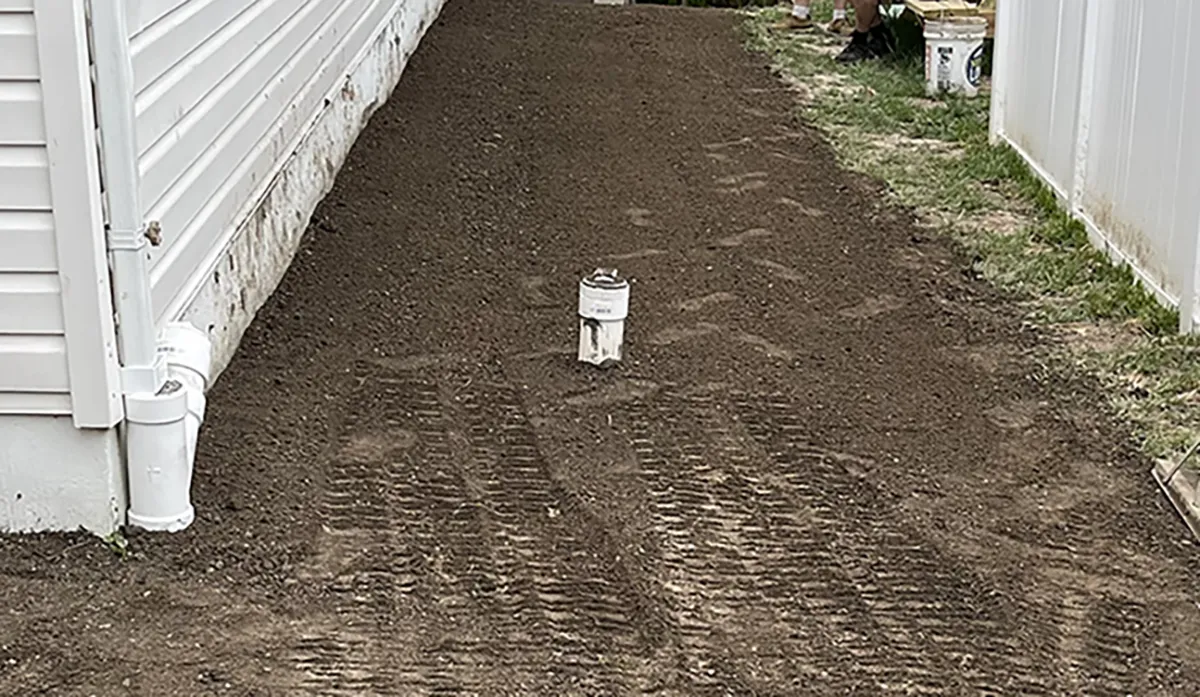
Reverse Osmosis Membranes

If you have an RO system, the membrane is the heart of the operation. While pre-filters and post-filters need frequent changes, the membrane itself typically lasts two to five years. This happens with proper maintenance of the other components. However, the membrane can fail early if sediment and carbon filters aren’t changed regularly. These protect it from larger contaminants and chlorine damage.
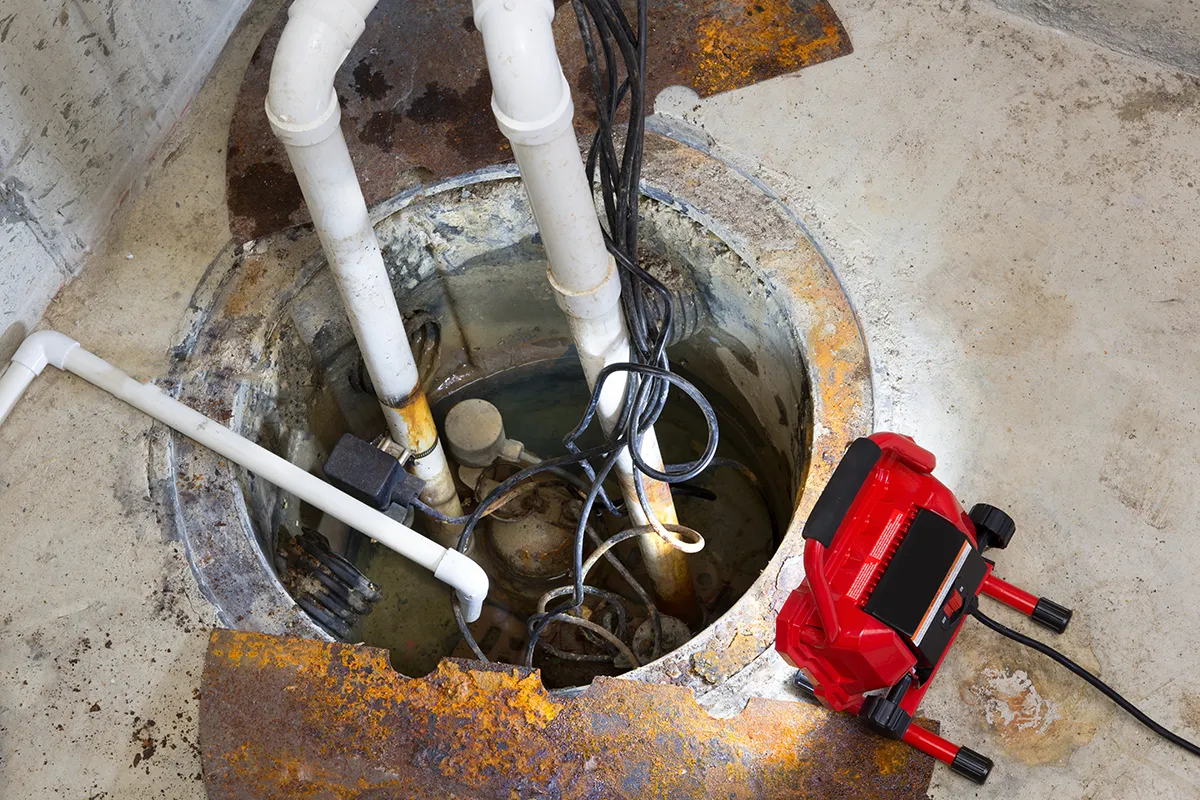
UV Lamps and Sterilization Units

For homes with UV purification components, the lamp requires annual replacement. This is necessary even if it still appears to be working. UV output diminishes over time. While the bulb might still glow, it may not be producing enough UV radiation. As a result, it won’t effectively kill bacteria and viruses. We track these replacement dates for our maintenance customers to ensure continuous protection.

Professional Water Filtration Maintenance vs. DIY Monitoring

Some aspects of maintaining your filtration system are straightforward for homeowners to monitor. Others require professional expertise. We believe in educating our customers. Therefore, you know when to call us and what to watch for between service visits.

Homeowners can successfully track filter replacement schedules. This is especially true if their system has clear indicators or reminder stickers. However, the actual maintenance work should be left to professionals. Our certified technicians sanitize housings during filter changes. They also inspect O-rings and seals for wear. Additionally, they check system pressure and test water quality before and after filtration. Finally, they ensure all connections are secure.
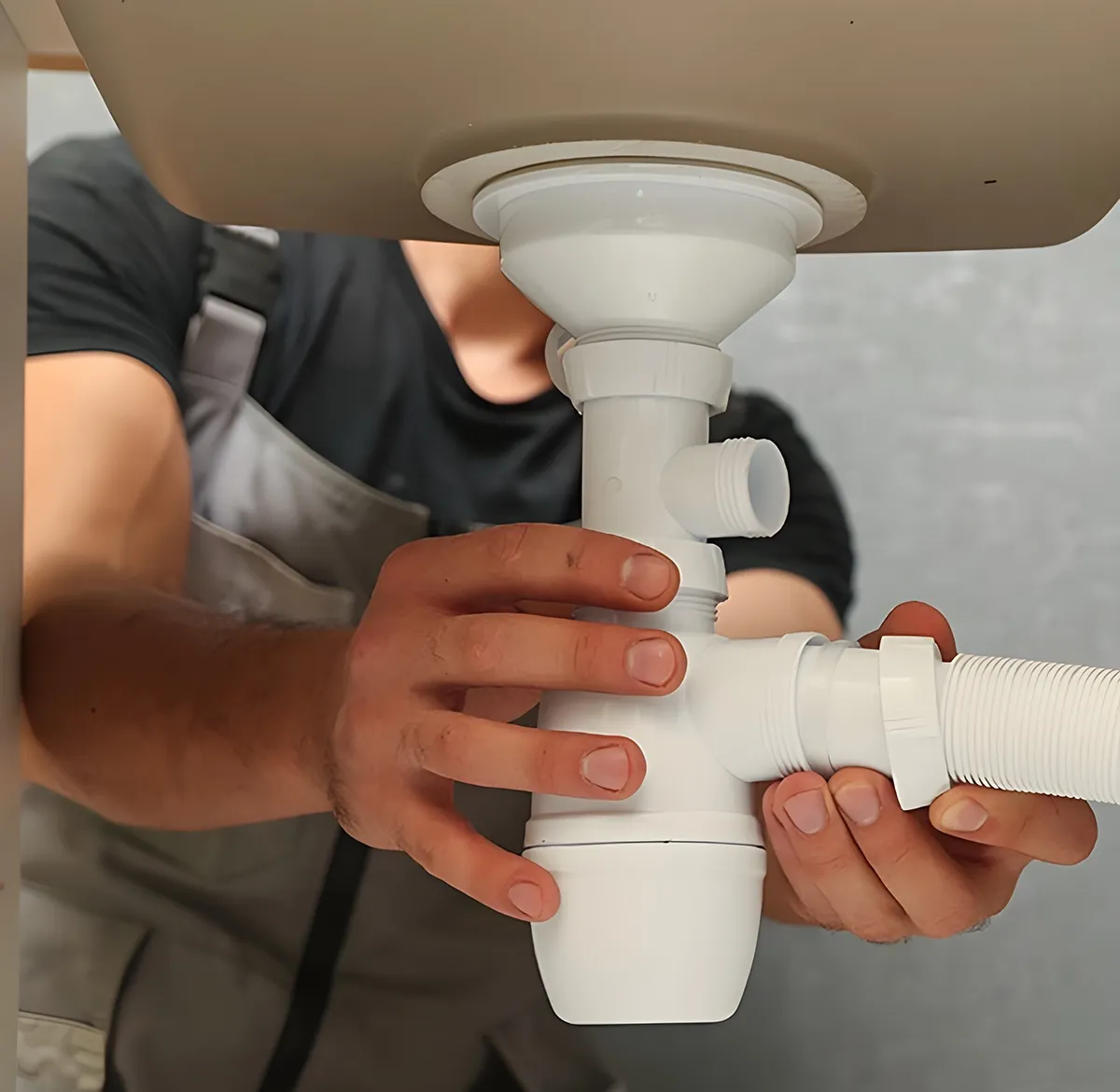
Because we train our team on plumbing code and proper procedures, we catch subtle issues that homeowners typically miss. For instance, a small crack in a filter housing might not leak yet, but it will eventually. A pressure gauge reading slightly outside the normal range might indicate an upstream problem. These are the kinds of details that prevent emergency situations and protect your water quality.

At Superior Plumbing and Drains, our approach combines professional servicing with homeowner education. We show you how to monitor your system between our maintenance visits. Plus, we explain what warning signs to watch for. We also tell you when to call us for help.
Creating a Maintenance Schedule That Works

Every filtration system is different, and so is every household’s water usage. The family running the dishwasher daily uses far more water than a smaller household. They also do multiple loads of laundry and take long showers. Smaller households have different habits. That’s why we customize maintenance schedules based on your specific situation.
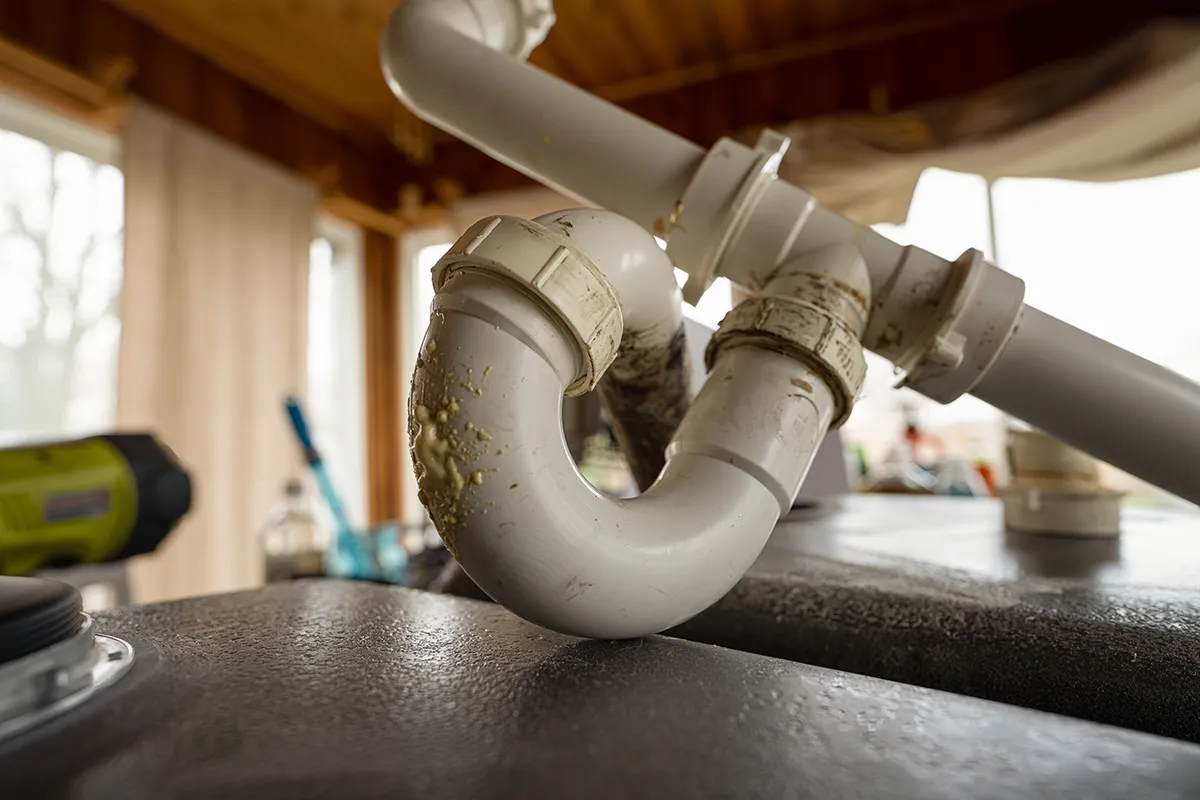
For most whole-house systems, we recommend professional inspections every six months. During these visits, we’ll replace filters as needed. We also test water quality and check system pressure. Additionally, we ensure everything operates correctly. Homes with particularly hard water or well water sources may benefit from quarterly check-ups instead.

Point-of-use systems like under-sink RO units typically need attention every six to twelve months. These smaller systems have lower capacity filters that saturate more quickly. This is especially true in kitchens where families rely on filtered water for drinking and cooking.

What Happens During Professional Maintenance

When you schedule water filtration maintenance with our team, you’re getting comprehensive service. This goes beyond simply changing filters. Our technicians are trained and verified before entering your home. This ensures you get the best person for the job.

We start by shutting off water to the system and relieving pressure. Then we remove filter housings and inspect them for cracks or damage. We also clean them thoroughly to remove any biofilm or sediment buildup. Each filter is replaced with the appropriate type for your system and water conditions. We inspect all O-rings and gaskets too. We replace any that show wear or hardening.

After reassembly, we check for leaks at every connection point while the system pressurizes. We monitor initial flow to ensure all air is purged from the system. Finally, we test water quality both before and after filtration. This confirms the system is performing as expected. You’ll receive documentation of what was done and recommendations for your next service interval.
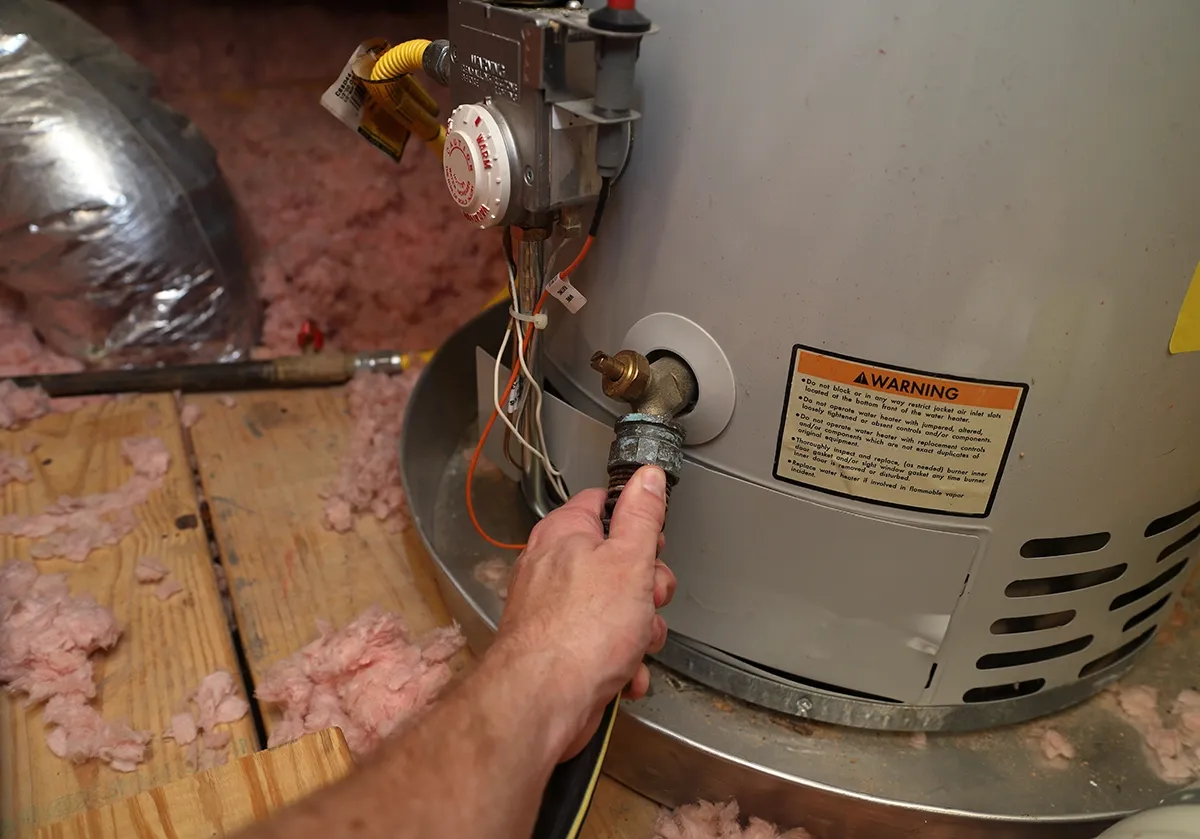
The Cost of Neglecting Your Filtration System

Some homeowners put off maintenance because they’re concerned about the cost. However, neglecting your system always costs more in the long run. A clogged sediment filter that isn’t replaced can allow particles to damage your RO membrane. This can turn a simple filter change into a much more expensive membrane replacement.
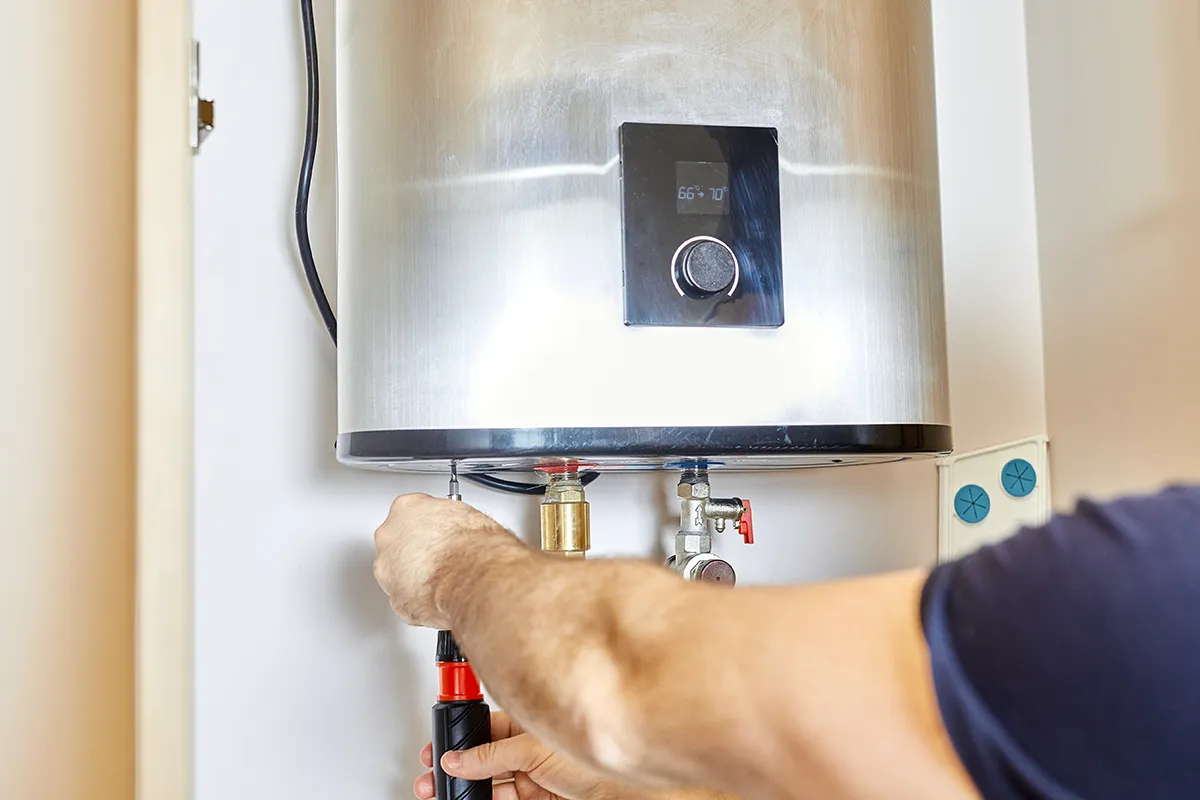
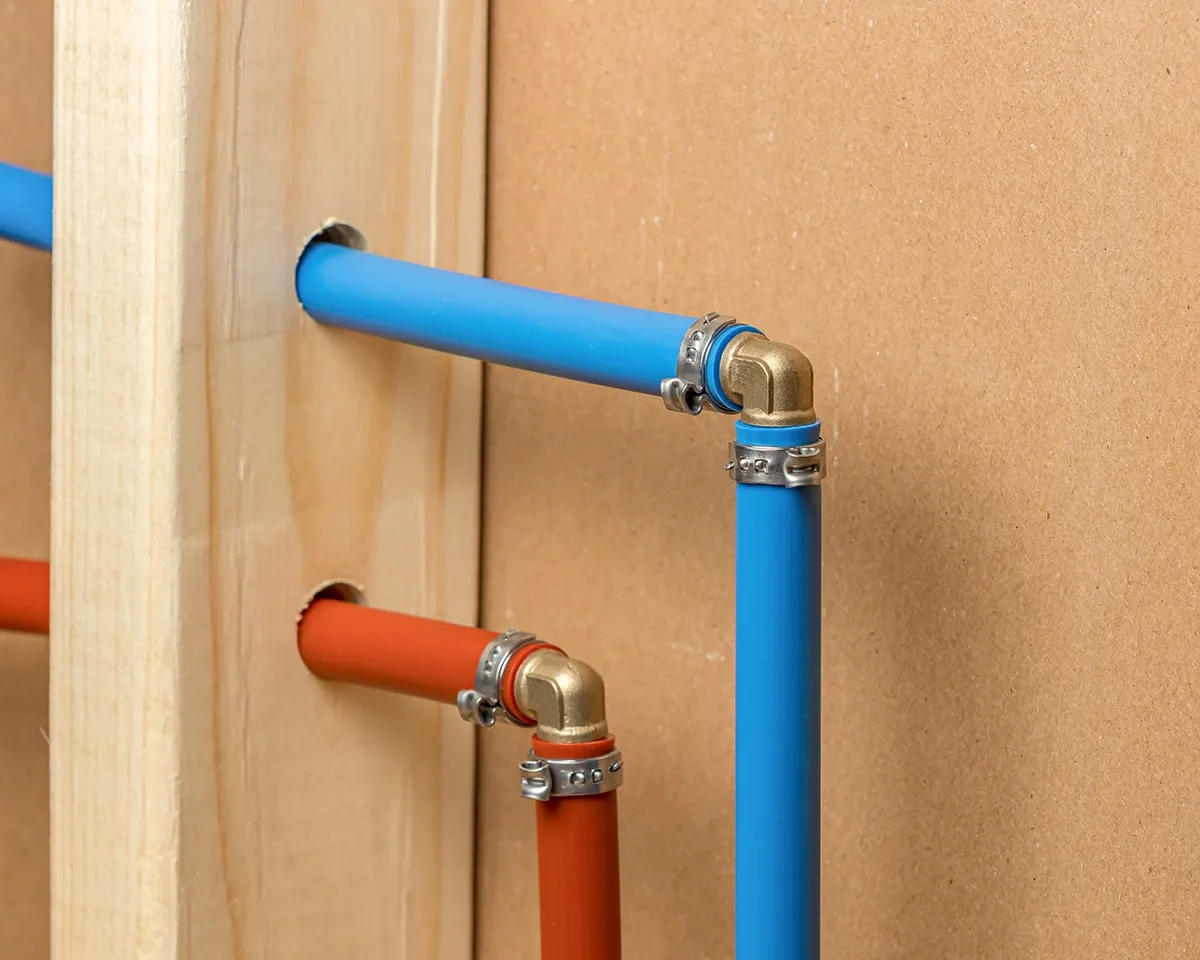
Even more concerning is the health aspect. Water filtration systems exist to protect your family from contaminants. When they’re not maintained properly, you’re drinking water that may contain harmful substances. You installed the system to remove these contaminants in the first place. Lead, bacteria, chlorine byproducts, and other contaminants don’t always produce obvious symptoms immediately. This makes regular maintenance even more critical.

Our mission is to provide high quality service through well-trained professionals. That includes being honest about costs. Routine maintenance is always less expensive than emergency repairs or premature system replacement. Plus, regular filtration maintenance can help protect plumbing fixtures, pipes, and water quality equipment throughout your home. We work with you to create a maintenance plan that fits your budget and protects your investment.

If you need help maintaining your water filtration system, contact Superior Plumbing and Drains today. We proudly serve homeowners in Gastonia, Charlotte, Monroe, and the surrounding areas with dependable plumbing and water treatment service.

Frequently Asked Questions About Water Filtration Maintenance

How often should I schedule water filtration maintenance?

Most whole-house filtration systems need professional maintenance every 6–12 months. Under-sink reverse osmosis systems often need service every 6 months. The exact schedule depends on water quality, system type, filter capacity, and household water usage. A certified technician can evaluate the system and recommend the right maintenance interval.

Can I change water filters myself or should I call a professional?

Some homeowners can replace basic filters themselves, but professional water filtration maintenance is recommended for a full system check. A technician can sanitize housings, inspect seals and O-rings, test water quality, and check system pressure. Professional service also helps identify small issues before they become bigger problems.

What are signs my water filtration system isn’t working properly?

Common signs of a water filtration problem include reduced water pressure, strange tastes or odors, cloudy water, discolored water, warning lights, unusual system noises, and visible sediment. If you notice these issues, schedule service promptly to protect water quality and avoid damage to system components.

How much does professional water filtration maintenance cost?

Water filtration maintenance needs vary based on the system type, number of filter stages, and components that need replacement. Basic filter changes may be a quicker service, while reverse osmosis system maintenance may involve inspection, cleaning, sanitizing, and part replacement. A professional quote gives the most accurate service estimate.

how to unclog a toilet

How to Unclog a Toilet Without Making the Problem Worse

A clogged toilet is one of those household emergencies that never happens at a convenient time. It might strike first thing in the morning. Or it could happen right before guests arrive. Knowing when to call a professional can save you from a messy situation.

At Superior Plumbing and Drains, we are always ready to help homeowners in Charlotte, Monroe, Gastonia, and surrounding areas tackle stubborn clogs. Some clogs require more than a quick fix. That’s where our trained technicians come in. Learning how to unclog a toilet properly can help you avoid damage and know when it’s time to call in the professionals.

What Causes Toilet Clogs in the First Place?

Understanding why toilets clog helps you prevent future problems. It also helps you recognize when you’re dealing with something more serious. Most clogs happen because too much material tries to pass through the drain at once. Toilet paper is designed to break down in water. However, even it can cause problems when used excessively. We see this often in homes with older plumbing systems. These pipes have narrowed over time due to mineral buildup. When homeowners ask us how to unclog a toilet, we first explain what typically causes these blockages.

Another common culprit is flushing items that should never go down the toilet. Paper towels, wet wipes (even those labeled “flushable”), feminine hygiene products, cotton swabs, and dental floss don’t break down like toilet paper. These materials can catch on rough spots inside your pipes. Then they create a blockage that grows over time. In fact, wet wipes have become such a widespread problem that municipalities across North Carolina have had to address the resulting sewer issues.

Hard water can also contribute to toilet clogs. This happens because mineral deposits build up inside pipes and around the toilet’s internal passages. This gradually reduces the effective diameter of your plumbing. As a result, clogs become more likely. Plus, tree roots seeking moisture can invade older sewer lines. This creates persistent blockages that require professional attention.

Warning Signs That Your Toilet Is About to Clog

Toilets usually give you warning signs before they completely stop working. Learning to recognize these symptoms can help you address problems before they become emergencies. One of the earliest indicators is slow drainage. If the water level rises higher than normal before slowly going down, you likely have a partial blockage developing somewhere in the system. Recognizing these signs early helps you understand how to unclog a toilet before it becomes a major emergency.

Gurgling sounds coming from the toilet or nearby drains suggest air is trapped in the pipes. This often means a blockage is forming. You might also notice that flushing causes water to back up into your shower or bathtub. This is a clear sign that multiple fixtures share a blocked drain line. Frequent clogs, even minor ones, indicate an underlying problem. These may not resolve fully without professional intervention.

How Water Level Changes Indicate Problems

Pay attention to the water level in your toilet bowl between uses. If it’s significantly lower than normal, you might have a partial clog or a venting issue. On the other hand, if the water level is consistently higher, that points to a blockage further down the line. These fluctuations tell you something about where the problem exists in your plumbing system. This helps us diagnose the issue more quickly when you call. These warning signs can help you know when the problem needs professional attention.

When You Discover a Clogged Toilet: First Steps

The moment you realize your toilet is clogged, your first action should be to stop flushing. Many homeowners panic and flush repeatedly. This only adds more water to an already bad situation. If water is rising quickly, locate the shut-off valve on the wall behind the toilet. This will prevent overflow and the water damage that comes with it. Knowing how to unclog a toilet begins with taking these important first steps.

Next, assess the severity of the situation. Is water slowly draining, or is it completely stopped? Is water approaching the rim of the bowl, or has it already spilled onto your bathroom floor? These observations help you determine whether this is something that requires immediate professional help. When you contact Superior Plumbing and Drains, this information helps us arrive prepared with the right equipment.

Understanding where the water supply shut-off valve is located can help you prevent overflow situations. It’s typically on the wall behind the toilet near the floor. Knowing the location of these basic plumbing features helps you communicate more effectively with us when you call for service. This essential knowledge is part of understanding how to unclog a toilet safely.

Understanding Toilet Clogs: What Homeowners Should Know

When it comes to toilet clogs, there are several factors homeowners should understand. However, it’s crucial to recognize that many situations require the expertise and specialized equipment that only professional plumbers possess. Attempting the wrong approach can actually make the problem worse. It can also damage your toilet and pipes. When considering how to unclog a toilet, it’s important to know your limitations and when to call for help.

Many homeowners are familiar with plungers. Yet knowing when a clog is beyond basic intervention is important. The location and severity of the blockage matters. A clog in the toilet’s trap requires a different approach than one in your main sewer line. Without proper diagnostic tools and training, it’s difficult to determine the best solution.

Some homeowners consider chemical drain cleaners. However, we strongly advise against this approach for toilets. These harsh chemicals can damage your toilet’s porcelain and corrode your pipes. They also create dangerous fumes. If the chemical doesn’t clear the clog, you’ve now introduced a caustic substance into standing water. This makes it hazardous for anyone who works on the toilet afterward. Even so-called “natural” enzyme cleaners rarely work fast enough for a complete toilet blockage.

Why Professional Diagnosis Is Essential

The reality is that unclogging a toilet effectively requires understanding what’s causing the blockage. You also need to know where it’s located. Without proper diagnostic tools, it’s essentially guesswork. That’s why we use specialized cameras and other equipment to identify the exact problem before choosing the best remedy. This professional approach prevents damage and ensures the clog is fully resolved.

What Our Professional Toilet Unclogging Process Involves

When you contact Superior Plumbing and Drains for a clogged toilet, we follow a systematic process to identify and resolve the issue. First, we’ll ask you questions about what you’ve observed. For instance, how long has the problem existed? Are multiple fixtures affected? What (if anything) might have caused the clog? This information helps us arrive prepared with the right tools. Our experience with toilet clogs helps us bring the proper equipment for your specific situation.

Upon arrival, we’ll inspect the toilet and test the drainage to assess the severity. We’ll check whether the clog is isolated to that one toilet. We’ll also determine if it’s affecting other drains in your home, which would indicate a problem with your main sewer line. For stubborn clogs, we may use a toilet auger (also called a closet auger). This is a specialized tool designed specifically for toilet drains that won’t scratch the porcelain.

In cases where the blockage is further down the line, we use professional-grade drain snakes or hydro-jetting equipment. Hydro-jetting involves sending high-pressure water through your pipes to blast away clogs and accumulated debris. This method not only clears the immediate blockage but also cleans the pipe walls. As a result, it reduces the likelihood of future problems. We determine which approach is best based on the specific situation and your plumbing system’s condition.

After clearing the clog, we test the toilet multiple times to ensure proper drainage. We’ll also inspect for any signs of damage or wear that might cause future issues. Because our team stays current on plumbing techniques, code requirements, and best practices, you can trust that the job will be handled properly.

Recognizing When a Toilet Clog Requires Professional Help

Certain situations absolutely require professional attention. Attempting to handle them yourself can lead to costly damage. If basic observation suggests a serious blockage, it’s time to call us. This should happen before the problem worsens or causes damage to your toilet or plumbing system. While many homeowners want to know how to unclog a toilet themselves, some situations are best left to professionals.

Multiple clogged fixtures throughout your home indicate a main sewer line blockage rather than a simple toilet clog. This is a serious issue that requires immediate professional attention. This is because it can lead to sewage backing up into your home. Similarly, if you hear gurgling from other drains when you flush the toilet, that’s a sign of a venting problem or main line issue.

Water backing up into your bathtub or shower when you flush is another red flag. This demands professional intervention. It suggests that wastewater has nowhere else to go and is seeking the path of least resistance. Sewage backup is not only unpleasant but also poses health risks to your family. Therefore, don’t delay in getting help.

The Risks of Ignoring Persistent Clogs

A toilet that clogs repeatedly is trying to tell you something. This happens even if it seems to clear temporarily. These recurring issues often point to deeper problems like tree root intrusion, pipe deterioration, or improper venting. Ignoring these warning signs means the problem will likely worsen. Eventually, it will cause a major backup or pipe failure. We can perform a video camera inspection to identify exactly what’s causing the pattern.

How to Prevent Future Toilet Clogs

Prevention is always easier and less expensive than repair. The most important rule is simple: only flush toilet paper and human waste. Everything else belongs in the trash, including those products marketed as “flushable.” We can’t emphasize this enough. Wet wipes are one of the leading causes of clogs we see in homes. This is true regardless of what the packaging claims. Understanding how to unclog a toilet is important, but preventing clogs in the first place is even better.

Educate everyone in your household, especially children, about what shouldn’t go in the toilet. Even small items like cotton balls or dental floss can contribute to clogs over time. Consider placing a small trash can next to each toilet. This makes proper disposal more convenient for your family and guests.

Be mindful of toilet paper usage as well. While toilet paper is designed to break down in water, using excessive amounts at once can overwhelm your system. If you have older plumbing or low-flow toilets, this becomes even more important. Encouraging a second flush when necessary is better than dealing with a clog.

Regular professional plumbing inspections can catch developing problems before they become emergencies. During these visits, we can check for early signs of buildup. We can also identify weak spots in your pipes and ensure your toilet is functioning optimally. For homes with older plumbing systems, this preventive approach can save stress in the long run. The EPA’s WaterSense program notes that household leaks can waste a significant amount of water each year, so paying attention to plumbing issues early is always a smart habit.

Special Considerations for Local Homeowners

Across our region, we see plumbing challenges that vary from home to home. Some properties have older plumbing systems that were not designed with today’s fixtures in mind. Others may have aging drain lines, heavy tree coverage, or recurring buildup that makes toilet clogs more likely.

Mature trees can also create problems for older sewer lines. Roots naturally seek moisture, and small cracks or loose joints can give them a path into the line. Once roots enter, toilet clogs may become frequent. They may also affect more than one fixture in the home.

Our region can also have mineral buildup inside plumbing lines over time. This narrows the usable space inside the pipe. It also creates rough surfaces where toilet paper and waste can catch. If buildup is part of the issue, we can discuss whether water treatment or other plumbing solutions make sense for your home.

Additionally, knowing where your home’s cleanout access points are located can save time during an emergency. These access points allow us to reach your main sewer line more easily. This can speed up the repair process. If you’re not sure where yours are, we’re happy to point them out during a service visit.

Why Choose Superior Plumbing and Drains for Toilet Clogs

At Superior Plumbing and Drains, our mission is to provide high-quality service through well-trained professionals. We train our plumbers daily on the latest techniques, code requirements, and customer service best practices. Unlike some companies where you might not know who’s showing up at your door, our technicians are trained and verified before entering your home. This ensures you get the best person for the job. When you need to know how to unclog a toilet properly, our team has the expertise and experience to help.

We understand that a clogged toilet isn’t just an inconvenience. It’s a disruption to your daily life. That’s why we respond quickly and work efficiently to restore your plumbing to proper working order. We don’t just fix the immediate problem. We also take the time to explain what caused it and how you can prevent similar issues in the future.

When you call Superior Plumbing and Drains, you’re getting more than a quick fix. You’re getting a team that understands plumbing code, customer care, and proper repair practices. We arrive with the right equipment, diagnose the problem accurately, and resolve it completely. If you have a clogged toilet in Charlotte, Monroe, Gastonia, or a nearby community, contact Superior Plumbing and Drains today for professional plumbing service.

What to Do When Your Toilet Clogs

1

Stop Flushing Immediately

The moment you realize your toilet is clogged, stop flushing to avoid adding more water to an already bad situation. If water is rising quickly, locate the shut-off valve on the wall behind the toilet to prevent overflow and water damage. This simple first step can help reduce the risk of overflow and water damage.

2

Assess the Severity

Determine whether water is slowly draining or completely stopped, and whether it’s approaching the rim or has spilled onto the floor. These observations help determine whether this requires immediate professional help. Knowing how to unclog a toilet safely starts with assessing how serious the clog may be.

3

Locate the Shut-Off Valve

Find the water supply shut-off valve typically located on the wall behind the toilet near the floor. Knowing the location of this basic plumbing feature helps prevent overflow situations and allows you to communicate effectively with professionals.

4

Contact Professional Plumber

For severe blockages, multiple clogged fixtures, or recurring issues, contact a professional plumber right away. Provide information about what you’ve observed to help them arrive prepared with the right equipment. Knowing when professional help is needed is an important part of understanding how to unclog a toilet safely.

Frequently Asked Questions

What should I do immediately when my toilet clogs?

Stop flushing immediately to prevent overflow. If you know where the shut-off valve is located (typically behind the toilet near the floor), you can turn off the water supply. This prevents additional water from entering the bowl. Avoid using chemical drain cleaners, as they can damage your plumbing and create hazardous conditions. Contact Superior Plumbing and Drains for professional assistance right away.

Can a severely clogged toilet be fixed quickly?

Severe blockages often require professional tools like toilet augers or hydro-jetting equipment. Only trained technicians should operate these tools. Attempting to resolve severe clogs without proper training can damage the toilet’s wax ring or internal components. If the toilet appears severely blocked, stop and call a licensed plumber. This helps you avoid making the problem worse or causing additional damage.

Why does my toilet keep clogging even after it seems cleared?

Recurring clogs indicate an underlying problem. This could include tree root intrusion, pipe deterioration, mineral buildup, or venting issues. The initial clog may have been cleared temporarily, but the root cause remains. We can perform a camera inspection to identify exactly what’s causing the repeated blockages. Then we recommend a permanent solution.

How long does professional toilet unclogging take?

Most straightforward toilet clogs can be cleared in 30 minutes to an hour. However, complex issues involving main sewer line blockages or requiring camera inspection may take longer. We assess the situation quickly and provide you with an estimated timeframe. We work efficiently while ensuring the job is completed correctly the first time.


clogged drain service

Professional Clogged Drain Service | Fast Solutions

Every homeowner eventually faces a stubborn sink, slow shower, or backed-up toilet. When your daily routine grinds to a halt because water won’t go down, you need professional help. You need a clogged drain service you can trust.

We understand how frustrating drain problems can be. They’re especially disruptive when they happen at the worst possible time. That’s why at Superior Plumbing and Drains, our trained technicians are ready to help. We diagnose and resolve your drainage issues quickly and effectively. With daily training and verified professionals, we bring the expertise your home deserves.

Signs You Need Professional Clogged Drain Service

Recognizing the warning signs early can save you from a complete plumbing disaster. Slow drainage is often the first indicator that something isn’t right. If you notice water pooling around your feet in the shower, that’s a red flag. Similarly, if your kitchen sink takes minutes to empty, a blockage is likely forming somewhere in your system.

Gurgling sounds coming from your drains tell another important story. These noises happen because air trapped in your pipes is trying to escape around a blockage. You might hear this sound in one fixture when you’re using another. That’s your plumbing system warning you that pressure is building up. Gurgling toilets often indicate drainage problems that need professional attention.

Unpleasant odors wafting from your drains signal more than just an inconvenience. Food particles, grease, hair, and other organic matter get stuck in your pipes. Over time, these materials break down and create foul smells that fill your home. In fact, these blockages can harbor bacteria that affect your indoor air quality.

Multiple clogged fixtures indicate a more serious problem. When more than one drain in your home backs up at the same time, the issue is different. The blockage has likely formed in your main sewer line rather than an individual pipe. This situation requires immediate professional attention.

Common Causes of Drain Blockages

Understanding what causes clogs helps you recognize when you’re facing a minor inconvenience versus a major problem. Hair is the number one culprit in bathroom drains. It combines with soap scum and other sticky substances to create dense mats. These mats catch everything flowing past.

Grease and cooking oil wreak havoc on kitchen drains. Many homeowners don’t realize that even small amounts of grease cause big problems. As it cools, grease hardens and coats your pipe walls. It gradually narrows the passage until water can barely squeeze through. That’s why knowing what never to put down a garbage disposal is essential for preventing clogs.

Foreign objects accidentally dropped down drains create instant blockages. Children’s toys, jewelry, cotton swabs, and so-called “flushable” wipes are common offenders. Even though wipes claim to be flushable, they don’t break down like toilet paper. As a result, they frequently cause stubborn clogs.

Tree Root Intrusion

Tree roots seeking moisture naturally move toward sewer lines. Once they find even the tiniest crack or loose joint, roots enter your pipes and expand. Over time, these roots create major blockages that trap debris and prevent proper drainage. We encounter this issue frequently, especially in older homes with mature landscaping.

Mineral Buildup and Hard Water

Hard water contains dissolved minerals that build up inside your pipes over time. This buildup narrows your pipe diameter and creates rough surfaces where debris easily catches. Eventually, the combination of mineral deposits and trapped debris requires professional drain cleaning. This restores proper flow to your system.

Why Professional Clogged Drain Service Matters

Store-bought chemical drain cleaners promise quick fixes but often create more problems than they solve. These harsh chemicals generate heat that can actually damage your pipes. This is particularly true if you have older plumbing. Plus, they rarely address the root cause of the blockage. This means your problem returns within weeks or even days.

Our trained technicians use professional-grade equipment that homeowners simply don’t have access to. Motorized drain snakes, hydro-jetting systems, and video inspection cameras allow us to work effectively. We can pinpoint exactly where blockages exist and remove them completely. Furthermore, we do this without damaging your plumbing system.

Attempting DIY drain cleaning can lead to costly mistakes. Using the wrong tools or techniques might push a blockage deeper into your system. You might also punch through old pipes or fail to address the underlying issue. Because our team receives daily training on proper techniques and plumbing code, we know how to handle each unique situation. We work safely and effectively.

Professional service also includes proper diagnosis. When we respond to a call for drain service, we don’t just clear the immediate blockage. Instead, we investigate why it happened in the first place. This approach helps prevent recurring problems and identifies potential issues before they become emergencies.

What to Expect from Our Drain Cleaning Process

When you contact Superior Plumbing and Drains for clogged drain service, our process begins with a thorough assessment. A certified technician will inspect the affected fixtures and ask questions. We want to know when you first noticed the problem and whether other drains are affected. This information helps us determine the most effective solution.

For straightforward clogs in accessible pipes, we’ll typically start with mechanical snaking. This process involves feeding a flexible cable with a specialized head through your drain. The cable breaks up and removes the blockage. Our technicians know how to use the appropriate equipment for each specific drain type. They work without causing damage.

Advanced Hydro-Jetting Solutions

During a clogged drain service, stubborn blockages may require hydro-jetting, a powerful method that uses high-pressure water streams. This technique scours your pipes clean and is especially effective for grease buildup, mineral deposits, and tree roots. We use pressurized water to not only clear the obstruction but also clean your pipe walls. This restores them to nearly new condition. Understanding the difference between drain snaking and hydro jetting helps you appreciate which solution best addresses your specific blockage.

We may recommend video camera inspection during clogged drain service for recurring clogs. We also suggest this when we suspect damage to your pipes. This technology allows us to see exactly what’s happening inside your plumbing system. The camera reveals cracks, breaks, root intrusion, or structural problems that need addressing to prevent future issues.

Preventive Measures Between Professional Services

While we’re always here when you need clogged drain service, knowing what signs to watch for helps you catch problems early. Watch for changes in drainage speed or unusual sounds that indicate developing blockages. Recognizing these signs early allows you to schedule service before a small issue becomes an emergency.

Be aware that grease, oil, or fat poured down your kitchen drain can cause major blockages. Even small amounts of grease create problems over time. The EPA’s Sanitary Sewer Overflow FAQ explains that fats, oils, grease, wipes, and other household products can create sewer blockages. Understanding these common causes helps you know when drainage issues might be developing and when to call for professional assessment.

Notice how water flows through your drains regularly, especially after doing dishes or using the bathroom. Changes in flow patterns can indicate buildup in your pipes. This signals it’s time for professional attention before complete blockages form.

Schedule regular professional drain cleaning even when everything seems fine. Preventive maintenance removes buildup before it causes problems. It also extends the life of your plumbing system and costs far less than emergency repairs. Many homeowners find that annual or bi-annual service keeps their drains flowing freely year-round. Following proper drain maintenance practices between professional services extends the time between cleanings.

Emergency Drain Service When You Need It Most

Drain emergencies don’t wait for convenient times. A backed-up toilet before guests arrive creates immediate stress. Similarly, a kitchen sink that won’t drain during meal prep is frustrating. That’s why we focus on emergency calls and work quickly to restore your plumbing to normal operation. When you’re facing an urgent drainage crisis, reliable clogged drain service makes all the difference in protecting your home.

Our technicians arrive prepared with the tools and expertise needed for most drain situations. Because we train our team daily and verify their skills before sending them to your home, you can trust the person at your door. They know how to handle your specific problem efficiently and professionally.

We also take care to protect your home during the service process. Our technicians use drop cloths, booties, and proper methods to keep your floors and fixtures clean. This attention to detail reflects our commitment to providing not just technical excellence. We also provide a respectful, professional service experience.

The Superior Plumbing and Drains Difference

What sets our clogged drain service apart is our focus on ongoing education and customer care. Too many plumbing companies send technicians into the field without proper training or verification. We do things differently. Every member of our team receives daily training on plumbing code, new techniques, and customer service best practices.

Before any technician enters your home, we verify their training and expertise. This approach ensures you always get a skilled professional who can diagnose problems accurately. They also recommend the most effective solutions. We’re not just clearing drains—we’re building relationships with homeowners who trust us to protect their most valuable investment.

Our mission focuses on high-quality service delivered by well-trained professionals. This isn’t marketing language; it’s the foundation of how we operate every single day. When you call us for a quote, you’re accessing the best in the business. You get technicians who understand both the technical aspects of drain cleaning and the importance of clear communication with homeowners.

When to Call for Help

Some homeowners hesitate to call for professional service. They worry about cost or feel they should handle minor clogs themselves. However, early action almost always costs less than waiting until a small problem becomes a major disaster. If water isn’t draining properly, strange odors persist, or you hear unusual sounds from your pipes, those are clear signals. You should schedule service with our team.

Multiple slow drains, water backing up into other fixtures, or sewage odors require immediate professional attention. These symptoms suggest problems with your main sewer line. This can lead to sewage backups into your home if not addressed quickly. In these situations, attempting DIY fixes wastes valuable time and potentially makes the situation worse. Waiting too long can increase the risk of water damage, sewage exposure, and more expensive repairs. A professional clogged drain service can help identify the problem and clear the blockage safely.

Even if you’re unsure whether your situation needs professional help, calling for advice costs nothing. It also gives you peace of mind. Our team can often provide guidance over the phone and help you understand whether you’re facing an emergency. We can also tell you if it’s something that can wait until regular business hours. Either way, we’re here to support you with honest, expert recommendations and professional drain cleaning services.

Frequently Asked Questions About Clogged Drain Service

How long does professional drain cleaning typically take?

Most standard drain cleaning appointments take 30 minutes to two hours. The time depends on the blockage location and severity. Simple clogs in accessible drains usually clear quickly. However, main line blockages or clogs requiring hydro-jetting may take longer.

Can chemical drain cleaners damage my pipes?

Yes, chemical drain cleaners can generate heat and contain harsh ingredients that may damage older pipes or PVC. They can also create fumes and may not solve the underlying problem. Professional mechanical cleaning is often safer and more effective because it removes the blockage instead of just pushing chemicals through the drain.

How often should I schedule professional drain cleaning?

Most homes benefit from professional drain cleaning every 18 to 24 months as preventive maintenance. However, homes with heavy usage, older plumbing, recurring slow drains, or large trees near sewer lines may need service more often.

What causes recurring drain clogs in the same location?

Recurring clogs often indicate an underlying issue rather than simple debris buildup. Common causes include pipe bellies, partial pipe collapse, persistent tree root intrusion, or improper pipe slope. A video camera inspection can identify the cause and help determine the right repair approach.

Slab leak detection for water damage on hallway flooring from a hidden pipe leak

Slab Leak Detection: Find Hidden Pipe Damage Fast

Homeowners rarely think about the pipes running beneath their concrete foundation until something goes wrong. When water starts pooling in unexpected places or utility bills suddenly spike, the culprit might be hiding under your feet. That’s why professional slab leak detection is so critical. It finds hidden pipe damage before it destroys your home’s structure, racks up enormous water bills, or creates dangerous mold conditions. We’ve helped countless homeowners across our service area locate and repair these hidden threats. Plus, we know exactly what warning signs to watch for.

What Is a Slab Leak and Why Does It Happen?

A slab leak occurs when pipes embedded in your home’s concrete foundation develop cracks, holes, or complete breaks. These pipes carry fresh water to your fixtures or remove wastewater from your home. Since they’re encased in concrete, you can’t see them or easily access them without specialized equipment.

Several factors cause these underground pipe failures. Soil shifting beneath your foundation puts constant pressure on pipes. Over time, this creates weak spots. In fact, we frequently discover slab leaks in homes built on expansive clay soils. These soils swell and contract with moisture changes.

Chemical reactions between pipe materials and the surrounding soil also corrode copper and other metals over time. Poor installation during original construction sometimes leaves pipes kinked or improperly supported. As a result, this leads to premature failure. Water pressure that’s too high wears down pipe walls from the inside. Meanwhile, abrasion from gravel or rebar in the concrete slowly grinds through the exterior.

Warning Signs You Need Slab Leak Detection Services

Catching a foundation leak early prevents catastrophic damage and expensive repairs. We train our plumbers to recognize these telltale symptoms. You should know them too.

Unexplained Water Pooling or Damp Spots

Water appearing on floors without an obvious source is a major red flag. You might notice carpet staying damp in certain areas. Additionally, tile floors may develop puddles. Some sections of flooring feel warmer than surrounding areas. Because the leak is pressurized and continuous, the moisture keeps surfacing. This happens even when you’re not using water.

Skyrocketing Water Bills

A sudden increase in your water bill despite normal usage patterns often indicates hidden leakage. Even a small crack in a pressurized water line can waste thousands of gallons monthly. We’ve seen bills double or triple before homeowners realized they had a foundation pipe problem. Comparing your current usage to previous months helps identify abnormal consumption patterns. These patterns may signal how a leak can impact water bills.

Sound of Running Water When Everything Is Off

Hearing water flowing through pipes when all fixtures are turned off means water is escaping somewhere. This continuous sound indicates a pressurized leak that’s wasting water around the clock. We use this auditory clue along with specialized listening equipment during the detection process.

Foundation Cracks or Shifting

Water eroding soil beneath your foundation causes settling and structural damage. You might notice new cracks in walls, floors, or the foundation itself. Doors and windows may suddenly stick or refuse to close properly. These structural changes happen because the ground supporting your home is being washed away. The continuous leak causes this erosion.

Mold or Mildew Growth

Persistent moisture under your foundation creates ideal conditions for mold and mildew. You might smell a musty odor even after thorough cleaning. Alternatively, you may see visible growth on baseboards and lower walls. This isn’t just a cosmetic issue. In fact, it’s a health hazard that affects indoor air quality.

How Professional Slab Leak Detection Works

Locating a pipe break under several inches of concrete requires specialized training and equipment. We invest heavily in cutting-edge technology and continuous education. This allows us to pinpoint leaks without unnecessary demolition.

Electronic Listening Devices

We use highly sensitive amplification equipment to detect the sound of water escaping from pressurized pipes. Our certified technicians systematically work across your floor. They listen for the characteristic noise of a leak. The equipment amplifies sounds humans normally can’t hear. This allows precise location identification. This non-invasive method often pinpoints the problem within inches.

Infrared Thermal Imaging

Thermal cameras detect temperature variations in your flooring. Since water leaking from pipes is typically warmer or cooler than the surrounding concrete, these temperature differences show up clearly on thermal images. We scan your floors to identify hot or cold spots that indicate active leakage. This technology works especially well for hot water line failures.

Pressure Testing

We isolate sections of your plumbing system and pressurize them with air or water. During this process, we monitor for pressure drops. A significant pressure loss indicates a leak in that section. This testing method helps us determine which line is leaking. For instance, it could be fresh water supply or drain lines. We complete this before we begin more detailed leak detection procedures.

Video Pipe Inspection

For drain and sewer lines, we insert waterproof cameras into your pipes. The camera transmits real-time video showing the pipe’s interior condition. We can see cracks, breaks, root intrusion, and corrosion. Plus, the camera’s transmitter helps us locate the exact position underground. This happens once we’ve visually identified the damage.

Why You Shouldn’t Delay Slab Leak Detection

Postponing professional inspection when you notice warning signs leads to exponentially worse problems. Water damage compounds daily. What starts as a manageable repair can quickly become a foundation disaster.

Structural damage accelerates once water begins eroding the soil beneath your foundation. The longer a leak continues, the more soil washes away. This creates voids that cause your foundation to settle unevenly. We’ve responded to emergencies where delayed detection resulted in foundation repairs costing tens of thousands of dollars. Early detection of the leak would have prevented this additional damage entirely.

Mold proliferation is another serious concern. Mold colonies establish themselves quickly in moist environments. Then, they spread throughout your home’s structure. Once established, mold remediation requires extensive work and significant expense. Even so, the health risks to your family make this a critical issue. This demands immediate attention.

Your water bill continues climbing every day the leak remains unrepaired. A single foundation leak can waste hundreds of gallons daily. This adds up to substantial costs over weeks and months. That’s money literally flowing into the ground beneath your home. According to the EPA’s WaterSense program, household leaks can waste more than 9,300 gallons of water every year. Therefore, early detection is critical for both your wallet and water conservation.

What Happens After We Detect Your Slab Leak

Once we precisely locate the leak, we discuss your repair options. The specific approach depends on several factors. These include the leak’s location, the extent of damage, and your home’s plumbing configuration.

Direct access repair involves removing a section of flooring and concrete to reach the damaged pipe. Next, we’ll repair or replace the affected section. Then, we restore your floor afterward. This method works well for isolated leaks in accessible areas.

Rerouting involves abandoning the leaking section of pipe. At the same time, we run new pipe through walls, attics, or along the exterior of your foundation. This option makes sense when the damaged section is extensive. It also works when preservation of finished flooring is a priority. We route the new pipe to reconnect your plumbing system without disturbing your foundation.

Epoxy pipe coating seals leaks from the inside by coating the pipe’s interior with food-grade epoxy. This trenchless method works for certain types of leaks and pipe materials. We evaluate whether your situation qualifies for this less invasive approach.

The key thing is that we never recommend a repair approach until we’ve thoroughly assessed your specific situation. Our mission is to provide high quality service through well-trained professionals. This means recommending the most effective, cost-efficient solution for your home.

Preventing Future Foundation Leaks

While you can’t prevent all slab leaks, certain measures reduce your risk. Water pressure regulation protects your pipes from excessive stress. We can install pressure-reducing valves if your home’s water pressure exceeds safe levels. Most residential plumbing performs best between 50 and 70 PSI.

Water quality affects pipe longevity. Highly acidic or alkaline water accelerates pipe corrosion. Water treatment systems neutralize these extremes and extend pipe life. We test water chemistry and recommend appropriate treatment when necessary.

Regular plumbing inspections catch small problems before they become foundation emergencies. Our technicians are trained and verified before entering your home. This ensures you get the best person for the job. During inspections, we evaluate pipe condition, water pressure, and signs of developing issues.

Why Professional Detection Matters

Some homeowners consider attempting detection themselves or hiring unlicensed contractors to save money. This approach nearly always costs more in the long run. Slab leak detection requires expensive specialized equipment that most people don’t own. However, the equipment alone doesn’t solve the problem. Interpreting the data requires extensive training and experience.

Incorrect detection wastes money on unnecessary concrete demolition. We’ve been called to homes where DIY attempts or unqualified contractors broke through concrete in the wrong location multiple times. They did this before admitting defeat. Each hole in your foundation costs money to repair. Additionally, it weakens your floor’s structural integrity.

At Superior Plumbing and Drains, we educate and train our team on plumbing code. We also show them how to take care of the customer. Our investment in technology and training means we locate leaks accurately the first time. This minimizes disruption to your home and your life.

Call Superior Plumbing and Drains for Expert Slab Leak Detection

Foundation leaks create serious problems that worsen daily. If you’ve noticed any warning signs, don’t wait. These include unexplained water, high bills, foundation cracks, or mysterious sounds. We train our plumbers daily to use the latest detection technology and repair techniques. You will be getting the best in the business when you choose our team.

Call us today for a quote. Our certified technicians will pinpoint your leak accurately. Then, we’ll explain your options clearly. Finally, we’ll restore your home’s plumbing integrity. We understand the stress foundation leaks cause. We’re here to solve the problem efficiently and professionally with our comprehensive water line and leak services.

Frequently Asked Questions

How much does professional slab leak detection cost?

The cost of professional slab leak detection depends on your home’s size, accessibility, and the complexity of the leak. Accurate detection can also help reduce unnecessary demolition by locating the problem before repair work begins.

How long does it take to detect a slab leak?

Most slab leak detection appointments take one to three hours. The timeline depends on your home’s size, plumbing layout, and the leak’s location.

Will you have to break my floor to detect the leak?

Usually, no. Modern slab leak detection uses tools like electronic listening equipment, thermal imaging, pressure testing, and video inspection to locate the leak before any concrete is removed.

Can a slab leak cause foundation failure?

Yes, an untreated slab leak can erode soil beneath your foundation. Over time, this may lead to settling, cracks, or other structural concerns. Early detection helps reduce that risk.

technician performing professional drain cleaning with a drain snake on a clogged drain pipe

How to Fix a Clogged Drain: Expert Tips & Solutions

Every homeowner has dealt with a clogged drain at some point. It’s never convenient when it happens. At Superior Plumbing and Drains, we understand the frustration that comes when water starts backing up in your sink, shower, or tub. Because drain clogs can quickly escalate from a minor annoyance to a serious plumbing emergency, knowing what causes them matters. Also, understanding when to call for professional help can save you time, money, and stress. We’ve helped countless homeowners throughout our service area resolve drainage issues. Plus, we’re here to share our expertise with you.

Common Signs You Have a Clogged Drain

Recognizing the warning signs early gives you a better chance of preventing a minor blockage from becoming a major problem. Water that drains slowly is usually the first indicator that something isn’t right. You might notice this while washing dishes, taking a shower, or letting water out of the bathtub. In fact, if you see standing water that takes several minutes to disappear, that’s your drainage system telling you there’s an obstruction somewhere in the line.

Another telltale sign is gurgling sounds coming from your drains. These noises happen because air trapped in the pipes has to push past the blockage to escape. Along with strange sounds, you might also detect unpleasant odors wafting up from the drain opening. That smell typically comes from decomposing organic matter stuck in the pipes. For example, things like food particles, hair, soap scum, or grease accumulate over time.

Multiple slow drains throughout your home suggest a more serious issue. When several fixtures are affected at the same time, the clog might be located in your main sewer line rather than an individual drain pipe. This situation requires immediate professional attention since it can lead to sewage backup if left untreated.

What Causes a Clogged Drain in Your Home

Understanding why blockages form helps you take preventive measures. Hair is one of the most common culprits, especially in bathroom drains. It combines with soap residue and other debris to create stubborn clogs that gradually restrict water flow. We see this all the time in shower and bathtub drains where hair naturally accumulates.

Kitchen Drain Problems

Kitchen sinks face different challenges. Grease and cooking oil might go down the drain as liquids, but they solidify as they cool inside your pipes. Over time, these fatty substances coat the pipe walls and trap food particles, creating layers of buildup. Even if you run hot water while pouring grease down the drain, it will eventually cool and cause problems further down the line.

Food scraps also contribute significantly to kitchen drain issues. Coffee grounds, eggshells, pasta, rice, and fibrous vegetables don’t break down easily in water. Although your garbage disposal might grind some items into smaller pieces, those particles can still accumulate in the pipes. As a result, they create blockages.

Bathroom Drainage Issues

Bathrooms present their own set of challenges beyond just hair. Soap scum builds up gradually on pipe walls, narrowing the passage for water to flow through. This problem gets worse when combined with mineral deposits from hard water. Additionally, items that should never go down drains frequently cause backups. Such as dental floss, cotton swabs, and so-called “flushable” wipes don’t dissolve in water.

Why Professional Help Is Best for a Clogged Drain

When faced with a clogged drain, many homeowners are tempted to reach for a bottle of chemical drain cleaner. Others try to fix it themselves. However, these quick fixes often create more problems than they solve. Chemical cleaners contain harsh caustic substances that can actually damage your pipes, especially if you have older plumbing. They’re also hazardous to handle and harmful to the environment.

At Superior Plumbing and Drains, our certified technicians use professional-grade equipment that’s both effective and safe for your plumbing system. We employ specialized tools like drain snakes and hydro-jetting equipment that can clear even the most stubborn blockages. Plus, they won’t damage your pipes. We use a drain snake to navigate through your plumbing to break up or retrieve the clog. Meanwhile, hydro-jetting uses high-pressure water streams to thoroughly clean pipe walls and remove years of accumulated buildup.

Professional service offers a key advantage because we don’t just address the immediate symptom. Instead, we identify and resolve the underlying cause. During a service call, we can inspect your entire drainage system. This helps us determine whether you’re dealing with a simple localized clog or a more complex issue like tree root intrusion, pipe corrosion, or improper venting. This comprehensive approach prevents recurring problems and saves you money in the long run.

How Our Team Diagnoses Drain Problems

When you contact Superior Plumbing and Drains about a drainage issue, we begin with a thorough assessment. Our technicians ask detailed questions about what you’ve observed. For instance, when the problem started, which fixtures are affected, and whether you’ve noticed any other symptoms. This information helps us narrow down the potential causes before we even arrive at your property.

Once on-site, we conduct a visual inspection and may use advanced diagnostic tools. Video camera inspection has revolutionized drain diagnosis, allowing us to see exactly what’s happening inside your pipes. A small waterproof camera attached to a flexible cable travels through your drainage system. It sends real-time footage to a monitor. This technology lets us pinpoint the exact location and nature of the blockage. Whether it’s accumulated debris, a collapsed pipe section, or invasive tree roots.

The Professional Clearing Process

After identifying the problem, our technicians select the most appropriate clearing method. For straightforward clogs caused by hair, soap, or food debris, we use a motorized drain snake to efficiently clear the blockage. The rotating cable breaks through the obstruction and can even pull out the clog material.

For more severe cases or when prevention is a priority, we use hydro-jetting to provide superior results. This process involves inserting a specialized hose into your drain line. Then, we blast water at pressures up to 4,000 PSI. The intense water pressure scours the pipe walls clean, removing grease, scale, and other buildup that slower methods might leave behind. It’s particularly effective for clearing main sewer lines and preventing future blockages.

How to Help Prevent a Clogged Drain

While we’re always here when you need us, taking preventive measures can help you avoid dealing with drain backups in the first place. Simple habits make a significant difference. In the kitchen, never pour grease or oil down the drain. Instead, collect it in a container and dispose of it in the trash. Use sink strainers to catch food particles before they enter your drainage system. Also, scrape plates thoroughly before washing them.

Bathroom drains benefit from hair catchers placed over the openings. These inexpensive devices trap hair before it enters the pipes. You can easily remove and clean them regularly. Also, be mindful of what goes down the toilet. Only human waste and toilet paper should be flushed. Even products marketed as “flushable” often don’t break down adequately and can create problems in your sewer line.

Regular maintenance plays a crucial role in keeping your drains flowing smoothly. Periodic professional drain cleaning removes accumulating debris before it becomes a full blockage. We recommend scheduling routine maintenance, especially if you have an older home or have experienced recurring issues. Think of it like changing the oil in your car. Proactive care prevents expensive emergency repairs down the road. Just as the EPA encourages homeowners to check for leaks regularly to conserve water and avoid waste, routine drain maintenance can help catch plumbing issues before they turn into bigger problems.

When to Call Superior for a Clogged Drain

Some situations require immediate professional attention. If you’re experiencing a complete blockage where water won’t drain at all, don’t wait. Similarly, if multiple fixtures are backing up at the same time or you notice sewage odors, call us right away. Water backing up into other drains also signals a serious problem that needs expert intervention immediately.

Even less urgent issues shouldn’t be ignored for too long. Slow draining that persists despite your best efforts indicates a developing clog that will only get worse with time. Recurring problems in the same drain suggest an underlying issue that needs professional diagnosis. Putting off the call might seem like saving money. However, early intervention typically costs less than emergency service for a completely blocked system.

At Superior Plumbing and Drains, we train our plumbers daily to ensure they stay current with the latest techniques and technologies. When you contact us, you’re getting well-trained professionals who know plumbing code and understand how to take care of our customers. Our technicians undergo training and verification before entering your home. Therefore, you can feel confident you’re getting the best person for the job. We provide high-quality service because we believe you deserve nothing less.

The Superior Plumbing and Drains Difference

Dealing with backed-up drains isn’t just inconvenient. It disrupts your daily routine and can create unsanitary conditions in your home. That’s why we make it our priority to respond promptly and resolve your issue efficiently. Our mission centers on providing high-quality service through well-trained professionals who treat your home with respect.

We educate and train our team extensively on proper techniques for handling every type of drain issue. From common clogs to complex sewer line problems, we’ve seen it all and know how to fix it right the first time. Plus, we believe in transparent communication. We’ll explain what we find, discuss your options, and provide upfront pricing before starting any work. You’ll never face surprise charges or hidden fees.

If you’re dealing with a clogged drain, Superior Plumbing and Drains is ready to help. When you call us for a quote, you’re working with a team that takes pride in doing the job right. We use professional-grade equipment, stay current with industry best practices, and stand behind our work with solid warranties. Your satisfaction matters to us because we’re not just fixing pipes. We’re here to help homeowners in Gastonia, Monroe, and surrounding North Carolina communities solve plumbing problems with confidence. Contact us today to get started!

Frequently Asked Questions

What’s the fastest way to clear a clogged drain?

The fastest and most effective method is calling a professional plumber who has specialized equipment. For instance, motorized drain snakes and hydro-jetting machines. These tools clear blockages quickly without damaging pipes. Meanwhile, chemical drain cleaners often fail to fully resolve the problem and can harm your plumbing system over time.

How much does professional drain cleaning cost?

Professional drain cleaning costs can vary depending on where the clog is located and how serious the blockage is. Minor clogs are typically easier to clear, while main line issues or recurring drain problems may require more involved service.

Can a clogged drain cause permanent pipe damage?

Yes, a severely clogged drain can cause permanent damage if left untreated. Prolonged blockages create pressure buildup that can crack pipes, cause leaks, or lead to sewage backups. Standing water in pipes also accelerates corrosion. Addressing clogs promptly prevents these costly complications and extends your plumbing system’s lifespan significantly.

How often should I have my drains professionally cleaned?

Most homes benefit from professional drain cleaning every 18 to 24 months as preventive maintenance. However, homes with older plumbing, large families, or recurring drain issues should schedule service annually. Regular maintenance removes accumulating debris before it becomes a serious blockage.

how to fix a running toilet

How to Fix a Running Toilet: Stop the Water Waste Now

A constantly running toilet can waste hundreds of gallons of water every day. This drives up your utility bills. It also keeps you awake at night with that annoying sound. If you’re wondering how to fix a running toilet, you’re not alone. This is one of the most common plumbing issues homeowners face. While the constant flow might seem like a minor annoyance, it signals that something inside your toilet tank isn’t working properly. At Superior Plumbing and Drains, we help homeowners across the area diagnose and repair running toilets every day. We’re here to walk you through what causes this problem and when it’s time to call in a professional.

What Causes a Toilet to Keep Running?

Understanding why your toilet won’t stop running is the first step toward getting it fixed. Most running toilet problems stem from issues with three main components inside the tank. These include the flapper, the fill valve, or the flush valve assembly. Each of these parts plays a crucial role in controlling water flow. So when one fails, water keeps flowing continuously into the bowl or overflow tube. That’s why homeowners need to know what warning signs to watch for.

The flapper is a rubber seal at the bottom of the tank. It lifts when you flush and then settles back down to stop water from entering the bowl. Over time, this rubber deteriorates, warps, or accumulates mineral deposits. These issues prevent it from sealing properly. When the flapper doesn’t create a tight seal, water slowly leaks from the tank into the bowl. This triggers the fill valve to keep adding more water to maintain the proper level.

The fill valve controls the water entering your tank after each flush. However, it can also malfunction. If it doesn’t shut off at the correct water level, the tank overfills and water spills into the overflow tube. This creates a continuous cycle where water constantly runs into the tube and down into the bowl. You’ll often hear a hissing sound when this happens. Learning how to fix a running toilet starts with identifying whether the issue is coming from the flapper, fill valve, or another tank component.

Signs Your Toilet Is Running and Wasting Water

Before we can address a running toilet, you need to identify whether your toilet actually has a problem. Sometimes the signs are obvious, but other times they’re more subtle. Here’s what we look for when diagnosing these issues at Superior Plumbing and Drains.

Audible Water Flow

The most obvious sign is hearing water running long after you’ve flushed. This might be a constant trickling sound or a periodic refilling noise. The tank tries to maintain its water level during this process. Even if you hear this sound only occasionally, it indicates that water is escaping somewhere in the system. Because this problem often worsens over time, addressing it early can save you money on your water bill.

Movement in the Tank Water

Removing your tank lid and watching the water surface can help you identify a problem. You might see ripples, movement, or water flowing into the overflow tube when the toilet hasn’t been flushed recently. If so, you’ve confirmed a leak. This simple visual check can help you determine if the issue is with the flapper or the fill valve. A certified plumber can quickly identify the exact component causing the problem. Plus, they can provide the appropriate repair.

Unexpected Water Bill Increases

A running toilet can waste anywhere from 200 to 500 gallons of water per day. This depends on the severity of the leak. That translates to a noticeable increase in your monthly water bill. If your usage has spiked without explanation, a running toilet might be the culprit. This may be why you’re trying to figure out how to fix a running toilet in the first place. You’re literally flushing money down the drain every day this problem goes unaddressed.

How Professional Plumbers Diagnose a Running Toilet

When you call Superior Plumbing and Drains for help with a running toilet, our trained technicians use a step-by-step process to find the cause. Years of hands-on experience help us identify the issue quickly and recommend the right repair.

Step 1: Visual Inspection of Tank Components

We’ll first remove the tank lid and visually inspect all the internal components. Our team checks for obvious signs of wear, corrosion, or damage to the flapper, fill valve, flush valve, and chain. This initial assessment often reveals the primary issue right away. This is especially true when parts show visible deterioration or mineral buildup.

Step 2: Flapper Seal Test

Next, we test whether the flapper is sealing properly. We’ll add a few drops of food coloring to the tank water and wait about 15 minutes without flushing. If colored water appears in the bowl, we’ve confirmed the flapper isn’t sealing correctly. This simple test definitively identifies flapper leaks that waste significant water.

Step 3: Fill Valve Assessment

We then examine the fill valve to ensure it shuts off at the proper water level. Our technicians check if water is flowing into the overflow tube. They also listen for the characteristic hissing sound that indicates a faulty fill valve. We also inspect the float mechanism to determine if it’s adjusted correctly. In some cases, the valve itself needs replacement.

Step 4: Chain and Flush Lever Check

Sometimes a running toilet is caused by something as simple as a chain that’s too short or too long. If the chain is too short, it prevents the flapper from sealing completely. If it’s too long, it can get caught under the flapper. We examine the entire flush mechanism to rule out these simpler causes. This happens before we recommend component replacement.

What’s Involved in Fixing a Running Toilet Professionally

Once we’ve diagnosed the specific cause of your running toilet, our team at Superior Plumbing and Drains implements the appropriate repair. The process varies depending on which component has failed. In other words, how to fix a running toilet depends on whether the issue is tied to the flapper, fill valve, chain, or another internal part. However, our certified technicians handle each repair efficiently and according to plumbing code standards.

When the flapper needs replacement, we’ll shut off the water supply to the toilet. Then we drain the tank completely and remove the old flapper from the flush valve. Next, we’ll install a new, properly-sized flapper that creates an airtight seal. After turning the water back on, we test the toilet multiple times. This ensures the new flapper seats correctly and the running has stopped.

For fill valve issues, the repair process is slightly more involved. We’ll disconnect the water supply line and remove the old fill valve assembly. Then we install a new one that’s properly calibrated for your toilet model. After that, we adjust the float height to ensure the tank fills to the correct level. This prevents overflowing into the overflow tube. This work requires precision to prevent future problems.

In some cases, particularly with older toilets, we might discover that multiple components have deteriorated. When that happens, we’ll discuss your options. You can choose whether to replace individual parts or consider a full toilet replacement if the fixture is quite old. Our mission is to provide high-quality service through well-trained professionals. This means we’ll always give you honest recommendations based on what’s best for your home and budget.

Why You Shouldn’t Delay Fixing Your Running Toilet

Many homeowners put off dealing with a running toilet because it seems like a minor inconvenience. However, this problem costs you money every single day it continues. That’s why knowing how to fix a running toilet quickly matters more than many homeowners realize. Beyond the wasted water and higher utility bills, a constantly running toilet puts unnecessary wear on your plumbing system.

The continuous water flow can also lead to mineral buildup in your tank and bowl. This makes future repairs more difficult. In fact, the longer you wait, the more likely you are to need additional repairs beyond the original problem. That’s why we recommend addressing a running toilet as soon as you notice it. This is especially important since the EPA’s Fix a Leak Week initiative highlights how small household leaks can add up to significant water waste.

At Superior Plumbing and Drains, we train our technicians daily on plumbing code and proper customer care. When you call us for help with how to fix your running toilet, you’re getting the best person for the job. Our team members are verified before entering your home. So you can trust that you’re receiving professional service from someone who knows exactly what they’re doing.

Preventing Future Running Toilet Problems

While some toilet component failures are simply due to age and normal wear, you can take steps to extend the life of your toilet’s internal parts. Regular maintenance goes a long way toward preventing the annoying and costly problem of a constantly running toilet. If you want to know how to fix a running toilet before it turns into a bigger plumbing issue, catching early wear on tank components is important.

We recommend having your toilet inspected annually as part of a whole-home plumbing checkup. During these inspections, our technicians can spot early signs of wear before components fail completely. We’ll check the condition of your flapper and test the fill valve operation. We also ensure all adjustments are correct. This proactive approach saves you money in the long run. This is especially true since WaterSense labeled toilets use significantly less water per flush while maintaining performance standards.

Additionally, if you have hard water in your area, mineral deposits can accelerate component deterioration. Professional cleaning of your tank components helps remove buildup that interferes with proper sealing. Only licensed professionals should disassemble complex valve assemblies. We understand the intricacies of modern toilet mechanisms and can ensure everything is properly reassembled and adjusted.

When to Call Superior Plumbing and Drains to Fix a Running Toilet

If your toilet continues running for more than a minute after flushing, it’s time to call in the experts. Also call if you hear water trickling at random times throughout the day. Toilet mechanisms are more complex than they appear. Professional repair ensures proper toilet function and prevents water damage. It also prevents the need for more extensive repairs down the road.

Our technicians at Superior Plumbing and Drains have the training and experience to fix running toilets correctly the first time. We carry quality replacement parts on our service vehicles. This means we can often complete your repair in a single visit. You’ll be getting professional service from a team that knows how to fix the problem correctly.

Don’t let a running toilet waste your water and drive up unnecessary water use in your home. If you’re still unsure how to fix a running toilet, our team can identify the issue and make the right repair the first time. Call us today for a quote. We educate and train our team to take care of the customer, and that commitment shows in every service call we complete. Before long, your toilet can be working properly again, and you’ll have peace of mind knowing the repair was done right.

Frequently Asked Questions About How to Fix a Running Toilet

Why does my toilet run for a few seconds every few minutes?

This typically indicates a slow leak from the tank into the bowl caused by a worn flapper. The leak gradually lowers the tank water level until it drops enough to trigger the fill valve. The fill valve then runs briefly to refill the tank. A certified plumber can test the flapper seal and replace it if needed to stop this cycle.

How much water does a running toilet waste per day?

A running toilet can waste about 200 gallons of water per day, depending on the severity of the leak. That adds up quickly over time and can noticeably increase your water use. Even a small leak shouldn’t be ignored.

Can a running toilet cause damage to my home?

While a running toilet primarily wastes water rather than causing immediate structural damage, prolonged issues can still lead to problems. Constant moisture can promote mold growth around the toilet base, and mineral deposits can build up faster in tanks with continuous water flow. If you’re trying to figure out how to fix a running toilet before the issue gets worse, prompt professional service is the best way to stop the water waste and prevent additional plumbing problems.

How long does it take to repair a running toilet?

Many running toilet repairs can be completed in less than an hour, especially when the issue involves a worn flapper or fill valve. However, the exact time depends on the toilet’s age, the specific part involved, and whether additional problems are found during the inspection.

whole house water softener

Whole House Water Softener: Complete Guide & Benefits

When you turn on your tap and notice white spots on your dishes, feel residue on your skin after showering, or see mineral buildup around your faucets, these are telltale signs that hard water is affecting your home. A whole house water softener is the most effective solution for protecting your plumbing, appliances, and family from the damaging effects of hard water. We install and service water softening systems throughout the area. In fact, we’ve seen firsthand how this investment transforms water quality for homeowners.

What Is a Whole House Water Softener?

A water softener for your entire home is a filtration system that removes minerals like calcium and magnesium from your water supply. It treats water before it reaches any fixture or appliance. Unlike point-of-use filters that treat water at a single tap, this system connects to your main water line. As a result, every drop of water entering your home is softened. The process uses a method called ion exchange, where hard minerals are replaced with sodium or potassium ions.

We explain to homeowners that these systems typically consist of three main components. First, there’s a mineral tank where the softening happens. Next, you’ll find a brine tank that holds salt for regeneration. Finally, a control valve manages the system’s cycles. The entire setup sits where your main water line enters your home. It works quietly in the background to protect everything downstream.

Signs You Need a Whole House Water Softener

Hard water doesn’t announce itself with dramatic failures. However, it leaves plenty of clues. Because the minerals accumulate gradually, many homeowners don’t realize they have a problem until significant damage occurs. We often get calls from frustrated customers who’ve been battling symptoms without understanding the root cause.

Visible Mineral Deposits and Staining

The most obvious sign is white, chalky buildup around faucets, showerheads, and drains. You might also notice reddish-brown stains in your toilets and sinks. These stains come from iron in the water. These deposits aren’t just unsightly—they indicate minerals are accumulating inside your pipes and appliances too. That’s why addressing hard water early prevents costly repairs later.

Soap Scum and Poor Lathering

Hard water reacts with soap to create a sticky film that clings to everything. If you’ve noticed that soap doesn’t lather well, shampoo leaves your hair feeling dull, or you can’t get dishes clean no matter how much detergent you use, minerals are interfering with cleaning products. Our customers frequently tell us they’re amazed at how much less soap they need after we install a water softener.

Dry Skin and Brittle Hair

Mineral residue left on your skin after bathing can cause dryness, itching, and irritation. Your hair may feel rough or become brittle since hard water prevents moisture from penetrating the hair shaft. Many families report improved skin and hair health once they switch to softened water throughout their home.

Reduced Water Pressure and Flow

As mineral deposits build up inside pipes, they narrow the pathways where water flows. This results in gradually decreasing water pressure that becomes particularly noticeable in showers and at the kitchen sink. In severe cases, pipes can become completely clogged, requiring replacement. This is an expensive consequence that a whole house water softener prevents.

How a Whole House Water Softener Protects Your Home

Beyond the convenience of spot-free dishes and softer skin, these systems provide serious protection for your home’s infrastructure and appliances. The financial benefits add up quickly when you consider what hard water costs you over time.

Extending Appliance Lifespan

Water heaters, dishwashers, washing machines, and other appliances that use water are particularly vulnerable to hard water damage. Mineral buildup reduces efficiency, forcing these appliances to work harder and fail sooner. According to industry studies, hard water can cut a water heater’s lifespan by up to 50%. We’ve replaced countless water heaters that were choked with sediment. Softened water eliminates this problem completely.

Protecting Your Plumbing System

The pipes carrying water throughout your home face constant exposure to minerals. Over years, this creates scale that restricts flow and eventually causes failures. With a water softening system in place, your pipes stay clean and maintain their full diameter. This is especially important for newer homes with PEX or copper plumbing that homeowners want to protect from day one.

Reducing Energy Costs

Mineral-coated heating elements must work harder to heat water. Consequently, they consume more energy in the process. Your water heater becomes significantly less efficient as scale accumulates on the heating element. Once we install a softener system, homeowners typically notice lower utility bills. This happens because their water heater operates at peak efficiency again.

Types of Whole House Water Softener Systems We Install

Not every home needs the same solution. During our initial assessment, we test your water hardness, evaluate your household size, and discuss your specific concerns. This allows us to recommend the right type and capacity for your situation.

Salt-Based Ion Exchange Softeners

These are the most common and effective systems for treating hard water. They use resin beads to attract and trap hard minerals. Then they flush them away during a regeneration cycle using salt brine. We install models ranging from compact units for small homes to high-capacity systems for large families. The ongoing maintenance is minimal—keeping the brine tank filled with softener salt during regular service visits.

Salt-Free Conditioning Systems

Technically speaking, these don’t soften water by removing minerals. Instead, they condition it by changing the mineral structure so deposits don’t form. While they don’t provide all the benefits of true softening, they’re a good option for homeowners who want to reduce scale without adding sodium to their water. We discuss the trade-offs so you can make an informed decision for your household.

Dual-Tank Systems

For larger homes or families with high water usage, a dual-tank water softener ensures you never run out of soft water. While one tank regenerates, the other continues providing softened water. These systems are more expensive upfront. However, they guarantee continuous soft water even during the regeneration process.

The Professional Installation Process

Installing a complete water softening system requires plumbing expertise and knowledge of local codes. This is a complex project that should only be handled by certified professionals. Mistakes can lead to leaks, water damage, or system failures. When you call us, our certified technicians handle every step professionally.

We’ll first shut off your main water supply and determine the best location for the system. Typically, this is near where the main line enters your home, but before it splits off to outdoor faucets. Then we’ll cut into your main line and install bypass valves. These allow the system to be isolated for maintenance without shutting off water to your entire home. The softener unit gets connected to your drainage system for the discharge during regeneration cycles.

Proper sizing matters tremendously. A system that’s too small will regenerate constantly and waste salt and water. One that’s too large is an unnecessary expense. We calculate the right capacity based on your water hardness level and daily water usage to ensure optimal performance. After installation, we program the control valve for your specific water conditions and test the system thoroughly.

Maintenance and Long-Term Performance

Once your water softener for the whole house is installed, it requires surprisingly little attention. The main ongoing task is keeping the brine tank filled with salt. You’ll need to check this monthly. Most households use about one 40-pound bag of salt per month. However, this varies based on water hardness and household water usage.

Every few years, you should have our technicians inspect the system and clean the resin tank if needed. We also check that the control valve is functioning correctly and that regeneration cycles are happening on schedule. This preventive maintenance keeps your system running efficiently for 15-20 years or more.

Over time, a properly maintained water softener can help reduce mineral buildup throughout your plumbing system. It can also support better appliance performance and help protect fixtures that are exposed to hard water every day.

How to Choose the Right Whole House Water Softener for Your Home

Water hardness varies significantly by location. Some areas have moderately hard water around 7-10 grains per gallon. Others exceed 15 grains per gallon. We test your water to determine exactly what you’re dealing with. Then we recommend a system sized appropriately for your household needs.

Family size matters too. A couple living in a small home has very different requirements than a family of six. We calculate your peak demand to ensure the softener can keep up during busy morning routines. This is when multiple people are showering, running the dishwasher, and doing laundry simultaneously.

Budget is obviously a consideration. However, we always encourage homeowners to view this as a long-term investment rather than an expense. The cheapest system isn’t always the best value if it can’t handle your household’s demands or requires frequent repairs. We carry quality brands that offer the best combination of performance, reliability, and warranty coverage.

Why Professional Whole House Water Softener Installation Matters

A whole house water softener must integrate seamlessly with your plumbing system while meeting building codes and manufacturer specifications. Improper installation can void warranties, create leaks, or result in inadequate softening. Our technicians are trained and verified before entering your home. This ensures you get the best person for the job.

We handle all the details that inexperienced installers often miss. For example, we properly set the regeneration schedule, ensure adequate drainage, install backflow prevention, and configure bypass valves correctly. Our work is guaranteed because we stand behind every installation we complete. If you experience any issues, we’re just a phone call away.

Take Action Against Hard Water

Hard water is slowly damaging your home right now. Every day without a softening system means more scale accumulating in your water heater, more mineral deposits building up in your pipes, and more money wasted on excessive soap and detergent. The good news is that this problem has a proven solution.

Call us today for a water quality assessment and quote. We’ll test your water hardness, evaluate your home’s specific needs, and recommend the most cost-effective system for your situation. You’ll be getting the best in the business—professionals who educate you about your options and install your water softener correctly the first time. Don’t wait until hard water causes expensive damage. Contact us now to enjoy the benefits of soft water throughout your entire home.

Frequently Asked Questions

How much does a whole house water softener cost to install?

Installation needs vary based on the system size, your household’s water usage, your water hardness level, and the complexity of the plumbing setup. Larger homes or high-demand households may need a higher-capacity system or a dual-tank unit. The best way to get accurate pricing is to have a professional test your water and evaluate your home’s specific needs.

How often do I need to add salt to my water softener?

Most households need to add salt to the brine tank once every 4-6 weeks. However, this varies based on water hardness and daily usage. Check the salt level monthly and refill when it drops to about one-quarter full. Using high-quality salt and keeping the tank at least half full ensures optimal performance and prevents bridging issues.

Will a whole house water softener make my water taste salty?

No, properly functioning water softeners add a negligible amount of sodium that doesn’t affect taste. The ion exchange process swaps hard minerals for sodium ions, but the concentration is minimal. It’s far less than what’s naturally present in most foods. If you’re on a sodium-restricted diet, we can install a reverse osmosis system at your drinking water tap. Alternatively, we can configure the system to use potassium chloride instead of salt.

How long does a whole house water softener last?

A quality water softener system typically lasts 15-20 years with proper maintenance. The resin bed may need replacement after 10-15 years depending on water quality and usage. Regular maintenance by professional technicians, keeping the brine tank filled with salt, and periodic cleaning extend the system’s lifespan. These steps ensure it continues operating efficiently throughout its service life.