Water Heater Pressure Relief Valve: Complete Guide

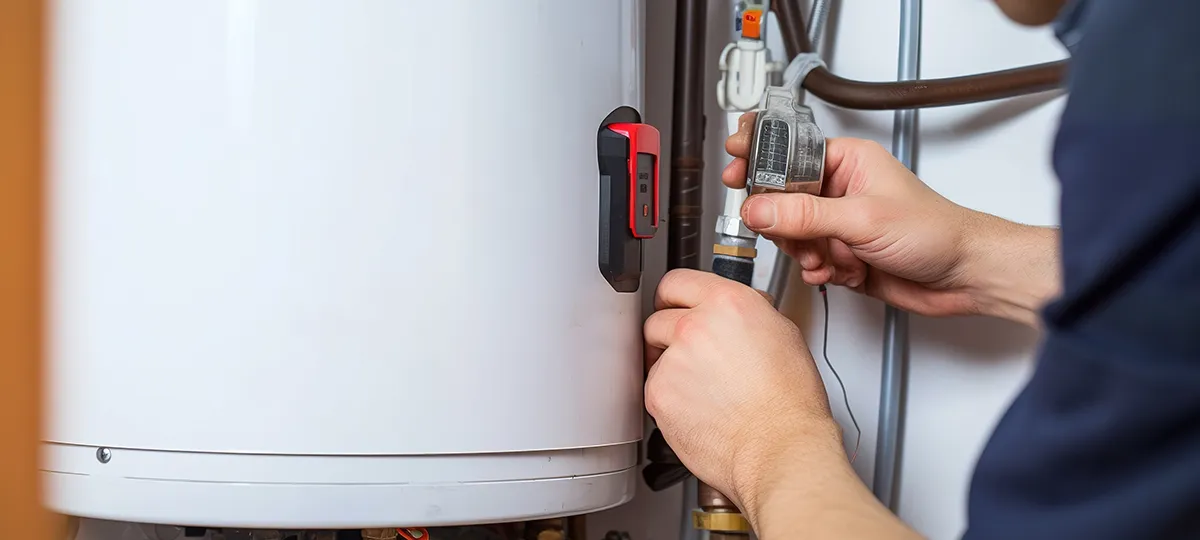
Your water heater pressure relief valve is one of the most critical safety devices in your home, yet most homeowners never give it a second thought until something goes wrong. This small valve is designed to release excess pressure and prevent dangerous tank ruptures or explosions. When it starts dripping, leaking, or stays completely silent when it should activate, it’s sending you an urgent warning. We see too many cases where a faulty relief valve led to costly water damage, scalding risks, or even complete system failure. These problems could have been caught early with proper attention.
Understanding what this valve does and recognizing the signs of trouble can protect both your family and your property. Knowing when to call a licensed professional makes all the difference.
What Is a Water Heater Pressure Relief Valve?
Your water heater’s pressure relief valve is one of the most critical safety devices in your entire plumbing system. This small but essential component—typically mounted on the top or side of your tank—serves as a fail-safe mechanism. It’s designed to prevent catastrophic pressure buildup inside the water heater. When water is heated, it expands, creating pressure. If that pressure becomes dangerously high and has nowhere to escape, the tank itself could rupture or even explode.
The relief valve monitors both temperature and pressure continuously. According to industry standards, most water heaters have a maximum allowable working pressure of 150 psi. Some units are rated higher, however. When internal pressure approaches unsafe levels—or when water temperature exceeds approximately 210°F—the valve automatically opens. This releases excess pressure and hot water through a discharge pipe, usually routed safely to the floor or outdoors. This prevents damage to your tank, your home, and most importantly, keeps your family safe from a rare but serious hazard.
We inspect this valve during every water heater service visit. After all, a malfunctioning relief valve represents a genuine safety concern that homeowners in Gastonia should never ignore.
Warning Signs Your Pressure Relief Valve Needs Attention
Your water heater’s pressure relief valve serves as a critical safety device. Recognizing when it’s struggling can prevent dangerous pressure buildup or water damage in your home. We’ve responded to countless emergency calls that could have been avoided if homeowners had spotted these telltale signs earlier.
The most obvious symptom is water dripping or streaming from the discharge pipe. That’s the metal or plastic tube running down from the valve near the top of your tank. According to the International Codes Council, any discharge from a relief valve signals a problem with your water distribution system, a heater malfunction, or a faulty valve itself. You might also hear hissing, popping, or whistling sounds coming from the valve area. These often indicate steam or excessive pressure trying to escape. Some homeowners notice constant water puddles near the base of the discharge pipe. Others spot mineral deposits crusting around the valve body. Both are clear signs the valve has been releasing water regularly.
If you observe any of these warning signs, don’t wait for the situation to worsen. Contact us immediately. Our certified technicians will diagnose whether you’re dealing with excessive system pressure, a failing valve, or an underlying heater issue that requires professional attention.
Why Water Heater Pressure Relief Valves Fail
Understanding why these critical safety components fail helps homeowners in Gastonia recognize problems before they become emergencies. We see several common causes when we’re called to inspect failing pressure relief valves. Each leaves distinct clues during a professional assessment.
Mineral buildup ranks as the most frequent culprit. Gastonia’s water contains dissolved minerals that gradually accumulate inside the valve mechanism. This prevents the spring and disc from sealing properly. Age is another significant factor—most valves have a service life of three to five years. After this period, the internal components simply wear out from repeated temperature cycles and pressure changes. Sudden pressure spikes caused by thermal expansion or municipal water pressure fluctuations can damage the valve’s internal seals. This causes persistent dripping or complete failure to relieve dangerous pressure when needed.
Improper installation also leads to premature failure. When a valve isn’t seated correctly or the discharge tube configuration creates back-pressure, the valve can’t function as designed. We frequently discover that a valve replaced by an unlicensed installer was the wrong temperature or pressure rating for the system. If you’re experiencing any valve issues, we can diagnose the root cause. We’ll then install the correct replacement to restore your water heater’s essential safety protection.
What Happens During a Professional Valve Inspection
When you call us for a water heater pressure relief valve inspection, our certified technicians follow a systematic process. We evaluate both the valve itself and the conditions that affect its operation. We begin by checking the discharge pipe for proper installation and clearances. Then we carefully examine the valve body for corrosion, mineral buildup, or signs of previous leaks. Our team uses calibrated gauges to measure your water heater’s actual operating pressure and temperature. We compare these readings against manufacturer specifications and safety thresholds.
During the inspection, we’ll perform a controlled test of the valve’s mechanical operation. This confirms it opens and closes properly. This step requires professional expertise because forcing a corroded or stuck valve can cause immediate failure or flooding.
We also inspect the tank itself for bulging, rust stains, or other indicators that excessive pressure has stressed the system. If we discover the valve has been leaking intermittently or the pressure readings are abnormal, we’ll trace the root cause. Whether it’s thermal expansion from a closed plumbing system, a faulty thermostat, or sediment affecting tank pressure, we’ll identify the issue. This comprehensive diagnostic approach ensures we address not just the valve, but any underlying issue threatening your water heater’s safe operation.
When to Call a Licensed Plumber for Your Relief Valve
If you notice water pooling beneath your water heater, continuous dripping from the discharge pipe, or steam and unusual sounds coming from the unit, it’s time to call us immediately. These symptoms often indicate a failing water heater pressure relief valve. More seriously, they can signal excessive pressure building inside your tank. Both scenarios require urgent professional attention to prevent catastrophic failure.
Don’t wait if your relief valve has begun leaking regularly, even if it seems minor. What starts as a small drip can signal corrosion or mineral buildup preventing a proper seal. It can also indicate dangerously high pressure or temperature inside the tank. Our licensed plumbers have the diagnostic tools and expertise to determine whether the valve itself needs replacement. We can also identify if there’s an underlying issue with your water heater’s thermostat or other system components. We’ll also inspect the discharge piping to ensure it meets code and directs scalding water safely away from your home’s foundation and living areas.
We prioritize your family’s safety. If you’re uncertain about any aspect of your water heater’s operation or notice anything unusual, give us a call. Professional inspection protects your home, prevents emergency failures, and gives you peace of mind that your system is operating safely.
Schedule Your Water Heater Safety Check Today
Your water heater pressure relief valve is a critical safety component that deserves regular professional attention. We recommend scheduling a water heater safety inspection at least once a year. This ensures every protective feature is functioning properly. During our thorough inspection, we’ll test your relief valve, check for leaks or corrosion, and verify proper discharge piping. We’ll also examine tank condition and confirm that all safety systems are operating as designed.
According to ENERGY STAR, water heater maintenance can help improve efficiency and extend equipment life. During our thorough inspection, we’ll test your relief valve, check for leaks or corrosion, look for signs of a failing relief valve, and verify proper discharge piping. We’ll also examine tank condition and confirm that all safety systems are operating as designed.
Don’t wait for a small drip to become a dangerous situation. Contact us today to schedule your water heater safety check. We’ll give you honest answers, expert recommendations, and the peace of mind that comes from knowing your home’s water heating system is safe and reliable. Call us now to book your appointment.
Frequently Asked Questions About the Water Heater Pressure Relief Valve
How often should a water heater pressure relief valve be tested?
Homeowners should inspect their relief valve annually for signs of leaks or corrosion. However, we recommend professional inspection and testing at regular intervals to ensure the valve operates correctly and safely releases excess pressure. Our licensed technicians can test the valve mechanism, measure operating pressure, and confirm your entire water heater system meets current safety standards. This approach avoids risking damage from improper testing.
What causes a water heater pressure relief valve to leak?
Mineral buildup inside the valve mechanism prevents proper sealing, while age-related wear causes internal components to deteriorate over time. Excessive system pressure from thermal expansion or municipal water fluctuations can also damage seals. Because a leaking valve signals either valve failure or dangerous pressure conditions, we recommend calling us immediately for professional diagnosis and repair.
Can I replace a pressure relief valve myself?
Relief valve replacement requires specialized knowledge of plumbing codes, proper pressure ratings, discharge pipe configuration, and safe water heater operation. Incorrect installation can create serious safety hazards including scalding, flooding, or tank failure. Our certified plumbers ensure the correct valve for your specific water heater model. We test system pressure and verify all safety mechanisms function properly to protect your family and home.
How can I tell if my pressure relief valve is working properly?
A properly functioning water heater pressure relief valve should remain dry and quiet during normal operation. You shouldn’t see any drips, moisture, or mineral deposits around the valve body or discharge pipe. If you notice steam, hear hissing sounds, or find water leaking from the valve or discharge tube, these are warning signs that something is wrong. Our licensed plumbers use specialized testing equipment to verify your valve operates within safe parameters and will open when needed to protect your tank from dangerous pressure buildup.
More Solutions
Why you need our superior services
-
 Thank you to both Scott and Brendon. They did a great job taking care of my issue. In addition, they went the extra mile to ensure things were work as they should and planned a follow up the next day to ensure everything is still good. I’ve been using Superior Plumbing for over 8 years. I would highly recommend Tim and his team because they care about great customer satisfaction as well as the community!!
 -
When I needed a plumber due to a water issue at my home, Superior was the only company who not only responded with the quickest appointment time but called to let me know that due to a cancellation they were able to come even sooner. I especially appreciated the text message I received prior to the technician arriving, showing me his picture as well as his name. Walker, the technician, was professional, highly knowledgeable, and …Read All Reviews
-
Thank you Superior for such prompt, reasonable, professional service when we were without water. You are worthy of your name! We will be sharing our experience at Superior with friends that may need plumbing or well services in the future.
-
We discovered a slow water line leak in our home that was starting to damage our flooring so we needed help right away. I did not have prior experience with Superior Plumbing & Drains in the past, but reached out to them for help. They were able to schedule an appointment with me quickly. The responding Technician, Walker, was very professional and courteous and took the time to explain the problem and repair to …Read All Reviews
-
I had an emergency plumbing situation in my short-term rental & Superior Plumbing went above and beyond to help me out in a time pinch. The staff was KIND, HONEST, & thorough, without price gouging! I would HIGHLY recommend to anyone!
-
They were able to respond quickly when our water heater quit working. One of their plumbers came to the house, inspected heater, recommended replacement and explained clearly why he was recommending replacement. He then gave options of different prices and types of heaters. Once we made our choice they completed the work the next day. I would recommend this company without a question.


Superior Solutions for every drain In Charlotte, NC and surrounding areas.
We provide family-oriented plumbing solutions for all your needs in Charlotte, NC, and surrounding areas. From drain cleaning and plumbing repairs to water heaters, jetting, and filtration systems, our team is available 24/7 to assist you.
 For immediate service, call 7047656855.


Budget-friendly financing for your plumbing needs