Repiping Your Home: Signs, Process & What to Expect

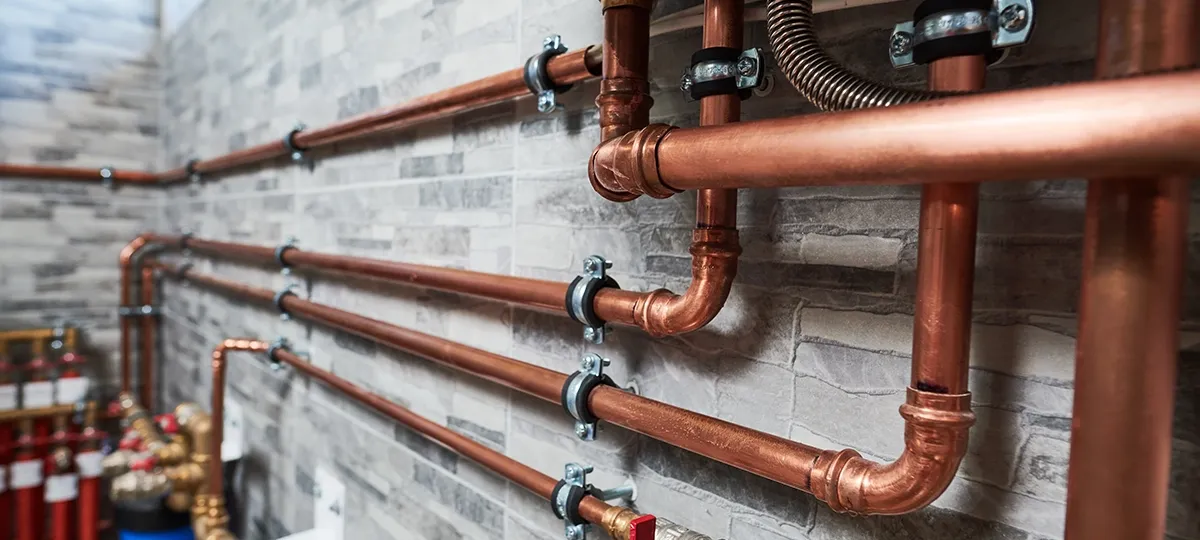
If you’re wondering whether repiping is the right choice for your home, you’re likely dealing with aging pipes or plumbing problems that keep returning. Repiping involves replacing some or all of your home’s water supply lines to create a safer, more reliable plumbing system. Although it is a significant project, it can provide a lasting solution when individual repairs are no longer enough. Below, we’ll explain when repiping may be necessary, how the process works, and what homeowners can expect from start to finish.
What Is Repiping and Why It Matters
Repiping is the process of replacing most or all of the water supply lines inside a home. It is often recommended when the existing pipes have reached the end of their expected service life or have developed widespread deterioration.
Older homes may contain galvanized steel, polybutylene, or other materials that are more vulnerable to corrosion and failure. Once problems begin affecting several areas of the plumbing system, repairing one section at a time may provide only temporary relief. A whole-home repipe addresses the underlying system rather than continuing a cycle of isolated repairs.
New supply lines can improve water flow, reduce the risk of future leaks, and provide more dependable water delivery throughout the home. The appropriate replacement material will depend on your home’s plumbing layout, water conditions, and local building requirements.
Signs Your Home May Need Repiping
If you notice rusty or discolored water coming from your faucets, it’s often one of the first signs that corrosion is eating through your pipes from the inside. Low water pressure throughout your home—especially if multiple fixtures are affected at once—can indicate that mineral buildup or deteriorating pipe walls are restricting flow. Frequent leaks, even small ones, may seem like isolated issues. But when they keep appearing in different areas, they often point to a larger problem with aging plumbing.
Visible corrosion on exposed pipes, water stains on ceilings or walls, and a metallic taste in your tap water are all red flags. These signs suggest your plumbing system may be nearing the end of its service life. Homes built before the 1980s with galvanized steel or polybutylene pipes are especially vulnerable. When we inspect your home, we check the condition of accessible piping, test water quality, and assess whether a full repipe or targeted replacements will best protect your property. If you’re seeing these warning signs in your Gastonia or Monroe area home, call us for a thorough inspection.
Common Causes of Pipe Failure
Understanding why pipes fail helps you recognize the early warning signs before a small issue becomes a costly emergency. When we evaluate a home for potential repiping, we look at several factors that work together to degrade your plumbing over time.
Age is the most predictable factor. Galvanized steel pipes, common in homes built before the 1960s, typically last 40 to 70 years before the zinc coating breaks down and corrosion begins from the inside. Copper pipes generally outlast galvanized steel, but even copper develops pinhole leaks as it reacts with minerals in your water supply. Polybutylene pipes, installed in many homes from the late 1970s through the mid-1990s, are particularly problematic. They become brittle and prone to sudden failure when exposed to chlorine and other oxidants in municipal water.
Water quality can accelerate pipe deterioration. High mineral content, commonly called hard water, creates scale buildup that can narrow pipes and place added stress on weak areas. If hard water is contributing to the problem, a whole-house water softener may help reduce mineral buildup, although it cannot repair pipes that are already deteriorated. Acidic water with a low pH can also corrode copper and other metals.
According to the EPA, chlorine and chloramines are used by public water systems to disinfect drinking water. Older pipe materials may become more vulnerable to deterioration as they age. When we inspect a property, we often check water pressure and look for discoloration at multiple fixtures. Rusty or brown water may indicate corrosion inside metal pipes and should be evaluated promptly.
External corrosion matters too, especially where pipes contact soil or concrete. Electrolysis (the reaction between dissimilar metals in contact with moisture) can create weak spots you’d never see until a leak appears. Our licensed team examines accessible pipes for external pitting, flaking, or moisture stains. These signs indicate hidden damage spreading through your system.
What to Expect During the Repiping Process
A repiping project begins with an evaluation of your existing plumbing system. The technician will identify the pipe materials currently in place, determine which lines need replacement, and map the routes used to reach bathrooms, kitchens, laundry areas, and other fixtures.
Before work begins, you should receive an estimate explaining the project scope, recommended materials, anticipated access points, and expected schedule. The plumbing team should also explain how furniture, flooring, and other areas of your home will be protected.
During installation, technicians create carefully selected openings in walls, ceilings, or crawl spaces to reach the existing supply lines. New piping is then routed to each affected fixture. Water may be turned off temporarily while sections are connected, but the work can often be organized in stages to limit extended interruptions.
After the new lines are installed, the system is pressure-tested to confirm that the connections are secure. Access openings are then patched as included in the project agreement. Homeowners may need to arrange final painting or specialty finishing separately.
Most residential repiping projects take approximately two to five days, although the exact schedule depends on the size, layout, and accessibility of the home.
Factors That Influence Your Repiping Project
The scope of a repiping project depends on several features that are unique to the property. Larger homes and homes with multiple bathrooms generally require more piping, fittings, and labor than smaller properties. The replacement material also affects the project. Homeowners considering PEX piping can learn about the differences between PEX-A and PEX-B before discussing the most appropriate option with a plumber.
Accessibility also affects the project. Pipes located in an open crawl space may be easier to reach than lines hidden behind tile, cabinetry, or finished ceilings. Multi-story homes and slab foundations can require more complex routing and additional access points.
Other considerations include:
- The number of plumbing fixtures
- The existing pipe material
- The replacement material selected
- The location of the supply lines
- The amount of wall or ceiling access required
- Whether the project involves the entire home or only one section
Because these conditions vary considerably, an on-site evaluation is the most reliable way to determine the project’s scope and provide an accurate estimate.
Ready to Discuss Repiping for Your Home?
Recurring plumbing problems may indicate that repairing one pipe at a time is no longer the most practical solution. A professional evaluation can determine whether the issue is limited to one area or affects the larger water supply system.
We provide licensed and insured repiping services for homeowners throughout Gastonia, Charlotte, Monroe, and the surrounding areas. Our work is backed by a workmanship warranty, and flexible financing options may be available. Contact us today to discuss your plumbing concerns and learn whether a targeted replacement or whole-home repipe is right for your property.
Frequently Asked Questions
How long does a whole-home repiping project typically take?
Most residential repiping projects take between two and five days. The schedule depends on the home’s size, number of fixtures, pipe accessibility, and overall layout.
What are the most common signs my home needs repiping?
Common warning signs include discolored water, low pressure at several fixtures, repeated leaks, visible corrosion, and water stains on walls or ceilings. Several symptoms appearing together may indicate a system-wide problem.
Does repiping require tearing out walls and ceilings?
Some access openings are usually necessary, but technicians select their locations carefully to limit damage. The amount of drywall or ceiling work depends on where the existing pipes are located and how the new lines will be routed.
Can I stay in my home during a repiping project?
Most homeowners can remain in their homes while the work is completed. Water service will be interrupted at certain times, but the project is typically completed in stages to reduce inconvenience.
More Solutions
Why you need our superior services
-
 Thank you to both Scott and Brendon. They did a great job taking care of my issue. In addition, they went the extra mile to ensure things were work as they should and planned a follow up the next day to ensure everything is still good. I’ve been using Superior Plumbing for over 8 years. I would highly recommend Tim and his team because they care about great customer satisfaction as well as the community!!
 -
When I needed a plumber due to a water issue at my home, Superior was the only company who not only responded with the quickest appointment time but called to let me know that due to a cancellation they were able to come even sooner. I especially appreciated the text message I received prior to the technician arriving, showing me his picture as well as his name. Walker, the technician, was professional, highly knowledgeable, and …Read All Reviews
-
Thank you Superior for such prompt, reasonable, professional service when we were without water. You are worthy of your name! We will be sharing our experience at Superior with friends that may need plumbing or well services in the future.
-
We discovered a slow water line leak in our home that was starting to damage our flooring so we needed help right away. I did not have prior experience with Superior Plumbing & Drains in the past, but reached out to them for help. They were able to schedule an appointment with me quickly. The responding Technician, Walker, was very professional and courteous and took the time to explain the problem and repair to …Read All Reviews
-
I had an emergency plumbing situation in my short-term rental & Superior Plumbing went above and beyond to help me out in a time pinch. The staff was KIND, HONEST, & thorough, without price gouging! I would HIGHLY recommend to anyone!
-
They were able to respond quickly when our water heater quit working. One of their plumbers came to the house, inspected heater, recommended replacement and explained clearly why he was recommending replacement. He then gave options of different prices and types of heaters. Once we made our choice they completed the work the next day. I would recommend this company without a question.


Superior Solutions for every drain In Charlotte, NC and surrounding areas.
We provide family-oriented plumbing solutions for all your needs in Charlotte, NC, and surrounding areas. From drain cleaning and plumbing repairs to water heaters, jetting, and filtration systems, our team is available 24/7 to assist you.
 For immediate service, call (980) 372-7151.


Budget-friendly financing for your plumbing needs