Whole House Water Softener: Complete Guide & Benefits

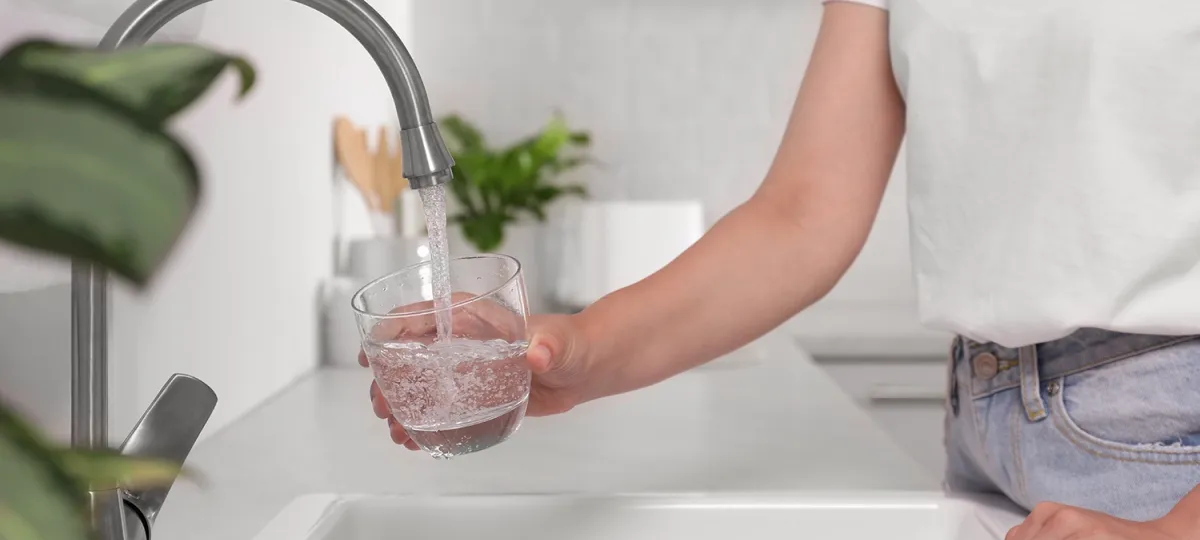
When you turn on your tap and notice white spots on your dishes, feel residue on your skin after showering, or see mineral buildup around your faucets, these are telltale signs that hard water is affecting your home. A whole house water softener is the most effective solution for protecting your plumbing, appliances, and family from the damaging effects of hard water. We install and service water softening systems throughout the area. In fact, we’ve seen firsthand how this investment transforms water quality for homeowners.
What Is a Whole House Water Softener?
A water softener for your entire home is a filtration system that removes minerals like calcium and magnesium from your water supply. It treats water before it reaches any fixture or appliance. Unlike point-of-use filters that treat water at a single tap, this system connects to your main water line. As a result, every drop of water entering your home is softened. The process uses a method called ion exchange, where hard minerals are replaced with sodium or potassium ions.
We explain to homeowners that these systems typically consist of three main components. First, there’s a mineral tank where the softening happens. Next, you’ll find a brine tank that holds salt for regeneration. Finally, a control valve manages the system’s cycles. The entire setup sits where your main water line enters your home. It works quietly in the background to protect everything downstream.
Signs You Need a Whole House Water Softener
Hard water doesn’t announce itself with dramatic failures. However, it leaves plenty of clues. Because the minerals accumulate gradually, many homeowners don’t realize they have a problem until significant damage occurs. We often get calls from frustrated customers who’ve been battling symptoms without understanding the root cause.
Visible Mineral Deposits and Staining
The most obvious sign is white, chalky buildup around faucets, showerheads, and drains. You might also notice reddish-brown stains in your toilets and sinks. These stains come from iron in the water. These deposits aren’t just unsightly—they indicate minerals are accumulating inside your pipes and appliances too. That’s why addressing hard water early prevents costly repairs later.
Soap Scum and Poor Lathering
Hard water reacts with soap to create a sticky film that clings to everything. If you’ve noticed that soap doesn’t lather well, shampoo leaves your hair feeling dull, or you can’t get dishes clean no matter how much detergent you use, minerals are interfering with cleaning products. Our customers frequently tell us they’re amazed at how much less soap they need after we install a water softener.
Dry Skin and Brittle Hair
Mineral residue left on your skin after bathing can cause dryness, itching, and irritation. Your hair may feel rough or become brittle since hard water prevents moisture from penetrating the hair shaft. Many families report improved skin and hair health once they switch to softened water throughout their home.
Reduced Water Pressure and Flow
As mineral deposits build up inside pipes, they narrow the pathways where water flows. This results in gradually decreasing water pressure that becomes particularly noticeable in showers and at the kitchen sink. In severe cases, pipes can become completely clogged, requiring replacement. This is an expensive consequence that a whole house water softener prevents.
How a Whole House Water Softener Protects Your Home
Beyond the convenience of spot-free dishes and softer skin, these systems provide serious protection for your home’s infrastructure and appliances. The financial benefits add up quickly when you consider what hard water costs you over time.
Extending Appliance Lifespan
Water heaters, dishwashers, washing machines, and other appliances that use water are particularly vulnerable to hard water damage. Mineral buildup reduces efficiency, forcing these appliances to work harder and fail sooner. According to industry studies, hard water can cut a water heater’s lifespan by up to 50%. We’ve replaced countless water heaters that were choked with sediment. Softened water eliminates this problem completely.
Protecting Your Plumbing System
The pipes carrying water throughout your home face constant exposure to minerals. Over years, this creates scale that restricts flow and eventually causes failures. With a water softening system in place, your pipes stay clean and maintain their full diameter. This is especially important for newer homes with PEX or copper plumbing that homeowners want to protect from day one.
Reducing Energy Costs
Mineral-coated heating elements must work harder to heat water. Consequently, they consume more energy in the process. Your water heater becomes significantly less efficient as scale accumulates on the heating element. Once we install a softener system, homeowners typically notice lower utility bills. This happens because their water heater operates at peak efficiency again.
Types of Whole House Water Softener Systems We Install
Not every home needs the same solution. During our initial assessment, we test your water hardness, evaluate your household size, and discuss your specific concerns. This allows us to recommend the right type and capacity for your situation.
Salt-Based Ion Exchange Softeners
These are the most common and effective systems for treating hard water. They use resin beads to attract and trap hard minerals. Then they flush them away during a regeneration cycle using salt brine. We install models ranging from compact units for small homes to high-capacity systems for large families. The ongoing maintenance is minimal—keeping the brine tank filled with softener salt during regular service visits.
Salt-Free Conditioning Systems
Technically speaking, these don’t soften water by removing minerals. Instead, they condition it by changing the mineral structure so deposits don’t form. While they don’t provide all the benefits of true softening, they’re a good option for homeowners who want to reduce scale without adding sodium to their water. We discuss the trade-offs so you can make an informed decision for your household.
Dual-Tank Systems
For larger homes or families with high water usage, a dual-tank water softener ensures you never run out of soft water. While one tank regenerates, the other continues providing softened water. These systems are more expensive upfront. However, they guarantee continuous soft water even during the regeneration process.
The Professional Installation Process
Installing a complete water softening system requires plumbing expertise and knowledge of local codes. This is a complex project that should only be handled by certified professionals. Mistakes can lead to leaks, water damage, or system failures. When you call us, our certified technicians handle every step professionally.
We’ll first shut off your main water supply and determine the best location for the system. Typically, this is near where the main line enters your home, but before it splits off to outdoor faucets. Then we’ll cut into your main line and install bypass valves. These allow the system to be isolated for maintenance without shutting off water to your entire home. The softener unit gets connected to your drainage system for the discharge during regeneration cycles.
Proper sizing matters tremendously. A system that’s too small will regenerate constantly and waste salt and water. One that’s too large is an unnecessary expense. We calculate the right capacity based on your water hardness level and daily water usage to ensure optimal performance. After installation, we program the control valve for your specific water conditions and test the system thoroughly.
Maintenance and Long-Term Performance
Once your water softener for the whole house is installed, it requires surprisingly little attention. The main ongoing task is keeping the brine tank filled with salt. You’ll need to check this monthly. Most households use about one 40-pound bag of salt per month. However, this varies based on water hardness and household water usage.
Every few years, you should have our technicians inspect the system and clean the resin tank if needed. We also check that the control valve is functioning correctly and that regeneration cycles are happening on schedule. This preventive maintenance keeps your system running efficiently for 15-20 years or more.
Over time, a properly maintained water softener can help reduce mineral buildup throughout your plumbing system. It can also support better appliance performance and help protect fixtures that are exposed to hard water every day.
How to Choose the Right Whole House Water Softener for Your Home
Water hardness varies significantly by location. Some areas have moderately hard water around 7-10 grains per gallon. Others exceed 15 grains per gallon. We test your water to determine exactly what you’re dealing with. Then we recommend a system sized appropriately for your household needs.
Family size matters too. A couple living in a small home has very different requirements than a family of six. We calculate your peak demand to ensure the softener can keep up during busy morning routines. This is when multiple people are showering, running the dishwasher, and doing laundry simultaneously.
Budget is obviously a consideration. However, we always encourage homeowners to view this as a long-term investment rather than an expense. The cheapest system isn’t always the best value if it can’t handle your household’s demands or requires frequent repairs. We carry quality brands that offer the best combination of performance, reliability, and warranty coverage.
Why Professional Whole House Water Softener Installation Matters
A whole house water softener must integrate seamlessly with your plumbing system while meeting building codes and manufacturer specifications. Improper installation can void warranties, create leaks, or result in inadequate softening. Our technicians are trained and verified before entering your home. This ensures you get the best person for the job.
We handle all the details that inexperienced installers often miss. For example, we properly set the regeneration schedule, ensure adequate drainage, install backflow prevention, and configure bypass valves correctly. Our work is guaranteed because we stand behind every installation we complete. If you experience any issues, we’re just a phone call away.
Take Action Against Hard Water
Hard water is slowly damaging your home right now. Every day without a softening system means more scale accumulating in your water heater, more mineral deposits building up in your pipes, and more money wasted on excessive soap and detergent. The good news is that this problem has a proven solution.
Call us today for a water quality assessment and quote. We’ll test your water hardness, evaluate your home’s specific needs, and recommend the most cost-effective system for your situation. You’ll be getting the best in the business—professionals who educate you about your options and install your water softener correctly the first time. Don’t wait until hard water causes expensive damage. Contact us now to enjoy the benefits of soft water throughout your entire home.
Frequently Asked Questions
How much does a whole house water softener cost to install?
Installation needs vary based on the system size, your household’s water usage, your water hardness level, and the complexity of the plumbing setup. Larger homes or high-demand households may need a higher-capacity system or a dual-tank unit. The best way to get accurate pricing is to have a professional test your water and evaluate your home’s specific needs.
How often do I need to add salt to my water softener?
Most households need to add salt to the brine tank once every 4-6 weeks. However, this varies based on water hardness and daily usage. Check the salt level monthly and refill when it drops to about one-quarter full. Using high-quality salt and keeping the tank at least half full ensures optimal performance and prevents bridging issues.
Will a whole house water softener make my water taste salty?
No, properly functioning water softeners add a negligible amount of sodium that doesn’t affect taste. The ion exchange process swaps hard minerals for sodium ions, but the concentration is minimal. It’s far less than what’s naturally present in most foods. If you’re on a sodium-restricted diet, we can install a reverse osmosis system at your drinking water tap. Alternatively, we can configure the system to use potassium chloride instead of salt.
How long does a whole house water softener last?
A quality water softener system typically lasts 15-20 years with proper maintenance. The resin bed may need replacement after 10-15 years depending on water quality and usage. Regular maintenance by professional technicians, keeping the brine tank filled with salt, and periodic cleaning extend the system’s lifespan. These steps ensure it continues operating efficiently throughout its service life.
More Solutions
Why you need our superior services
-
 Thank you to both Scott and Brendon. They did a great job taking care of my issue. In addition, they went the extra mile to ensure things were work as they should and planned a follow up the next day to ensure everything is still good. I’ve been using Superior Plumbing for over 8 years. I would highly recommend Tim and his team because they care about great customer satisfaction as well as the community!!
 -
When I needed a plumber due to a water issue at my home, Superior was the only company who not only responded with the quickest appointment time but called to let me know that due to a cancellation they were able to come even sooner. I especially appreciated the text message I received prior to the technician arriving, showing me his picture as well as his name. Walker, the technician, was professional, highly knowledgeable, and …Read All Reviews
-
Thank you Superior for such prompt, reasonable, professional service when we were without water. You are worthy of your name! We will be sharing our experience at Superior with friends that may need plumbing or well services in the future.
-
We discovered a slow water line leak in our home that was starting to damage our flooring so we needed help right away. I did not have prior experience with Superior Plumbing & Drains in the past, but reached out to them for help. They were able to schedule an appointment with me quickly. The responding Technician, Walker, was very professional and courteous and took the time to explain the problem and repair to …Read All Reviews
-
I had an emergency plumbing situation in my short-term rental & Superior Plumbing went above and beyond to help me out in a time pinch. The staff was KIND, HONEST, & thorough, without price gouging! I would HIGHLY recommend to anyone!
-
They were able to respond quickly when our water heater quit working. One of their plumbers came to the house, inspected heater, recommended replacement and explained clearly why he was recommending replacement. He then gave options of different prices and types of heaters. Once we made our choice they completed the work the next day. I would recommend this company without a question.


Superior Solutions for every drain In Charlotte, NC and surrounding areas.
We provide family-oriented plumbing solutions for all your needs in Charlotte, NC, and surrounding areas. From drain cleaning and plumbing repairs to water heaters, jetting, and filtration systems, our team is available 24/7 to assist you.
 For immediate service, call (980) 372-7151.


Budget-friendly financing for your plumbing needs