What Size Tankless Water Heater Do I Need? Guide

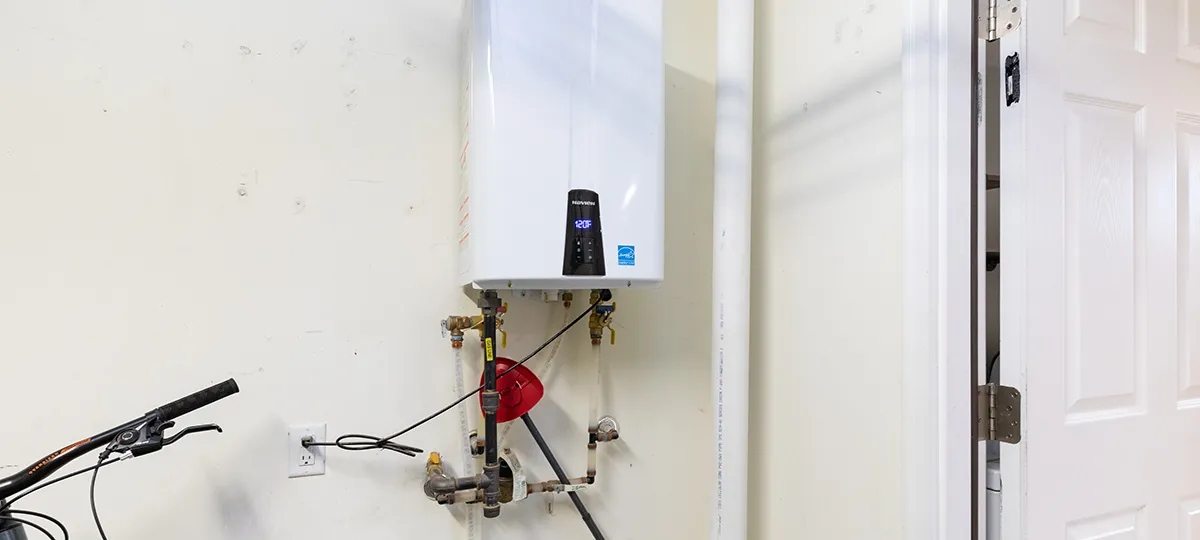
If you’re considering the switch to tankless or planning to replace an old unit, you’re probably asking yourself: “What size tankless water heater do I need?” This is one of the most important questions to answer before making a purchase. Choosing the wrong size can leave you with lukewarm showers or an inefficient system that costs more to operate. At Superior Plumbing and Drains, we help homeowners in Gastonia, NC make informed decisions about their water heating needs every day. Let us walk you through everything you need to know to select the right tankless water heater for your home.
Understanding Tankless Water Heater Sizing Basics
Unlike traditional tank water heaters that store hot water, tankless units heat water on demand as it flows through the system. According to ENERGY STAR, tankless or demand-type water heaters provide hot water only as needed instead of storing it in a tank.
Because of this, sizing isn’t about gallon capacity. Instead, it’s about flow rate and temperature rise. The flow rate, measured in gallons per minute (GPM), tells you how much hot water the unit can produce at once. Temperature rise refers to how many degrees the unit needs to heat incoming cold water to reach your desired output temperature.
Many homeowners underestimate their hot water needs, which leads to frustration down the road. That’s why we always perform a thorough assessment before recommending a specific unit. The goal is to ensure your tankless water heater can handle your peak demand. Consider those busy mornings when someone’s in the shower while the dishwasher and washing machine are running.
How We Calculate Your Home’s Hot Water Demand
To determine what size tankless water heater do I need, our certified technicians identify all the fixtures and appliances that might use hot water simultaneously. In fact, this is the most critical step in the sizing process. We evaluate everything: showers, bathroom sinks, kitchen sinks, dishwashers, and washing machines. Each fixture has an average flow rate.
A standard showerhead typically uses 2.0 to 2.5 GPM, while a bathroom faucet might use 0.5 to 1.5 GPM. Kitchen faucets usually require 1.5 GPM, and dishwashers need about 1.0 to 2.5 GPM. Washing machines vary widely but often use around 2.0 GPM. Consequently, we calculate the flow rates for all fixtures you expect to use at the same time. That total is your required GPM.
Peak Demand Scenarios Matter Most
We always tell our customers to think about their busiest water usage times. For most families, that’s weekday mornings when everyone’s getting ready for work and school. Maybe two people are showering while someone’s running the dishwasher from last night’s dinner. This peak demand scenario determines the minimum GPM your tankless unit needs to handle.
Here’s a practical example: two showers running simultaneously (5.0 GPM total) plus a bathroom sink (1.0 GPM) equals 6.0 GPM of total demand. Your tankless water heater would need to supply at least 6.0 GPM to keep up with this usage pattern. Otherwise, someone will experience a drop in water temperature or pressure.
Temperature Rise Requirements for Your Area
The second part of sizing a tankless water heater involves calculating the temperature rise. This depends on your incoming groundwater temperature and your desired hot water temperature. In Gastonia, NC, groundwater temperatures typically range from about 55°F in winter to 65°F in summer.
Most households want their hot water around 120°F for comfort and safety. So if your incoming water is 55°F in winter, your tankless unit needs to raise the temperature by 65 degrees (120°F minus 55°F). This temperature rise requirement directly impacts which unit can meet your needs. Higher temperature rises reduce the effective GPM a unit can deliver.
How Temperature Rise Affects Sizing
Here’s where things get interesting: a tankless water heater that can provide 8.0 GPM at a 50-degree rise might only deliver 6.0 GPM at a 70-degree rise. That’s why we always calculate based on your worst-case scenario—the coldest incoming water temperature you’ll experience. This ensures your system performs well year-round, not just during warmer months when less heating is required.
Manufacturers provide charts showing GPM output at various temperature rises. When we’re helping you determine what size tankless water heater do I need, we reference these charts to match your calculated demand with a unit that can consistently meet it. This works even on the coldest winter days.
What Size Tankless Water Heater Do Different Homes Need?
While every home is unique, we’ve noticed some general patterns over our years of installations. Small homes or apartments with one bathroom typically do well with a unit rated for 5-7 GPM at the required temperature rise. These work perfectly for households where hot water usage is rarely simultaneous across multiple fixtures.
Medium-sized homes with two bathrooms usually require 7-9 GPM capacity. This accommodates two showers running at once or one shower plus several other fixtures. Most families of three to four people fall into this category. This is especially true when considering the occasional high-demand moments.
Larger Homes Need More Capacity
For larger homes with three or more bathrooms, you’re typically looking at units that can deliver 9-11 GPM or higher. Some homeowners even opt for multiple tankless units in these situations. One might be dedicated to the master suite and another for the rest of the house. This approach, known as point-of-use installation, can actually be more efficient in homes with long pipe runs.
We’ve also installed whole-house systems rated for 11+ GPM in larger properties where simultaneous usage is common. These high-capacity units cost more upfront but eliminate any worry about running out of hot water during peak times. The right choice depends on your specific usage patterns, household size, and budget.
Common Sizing Mistakes to Avoid
One mistake we frequently see is homeowners who choose a tankless water heater based solely on price or square footage. Your home’s size doesn’t directly determine your hot water needs—your usage patterns do. For instance, a small home with teenagers who take long showers might need more capacity than a larger home with just two adults who use water conservatively.
Another error is forgetting to account for future needs. If you’re planning to add a bathroom or upgrade to a luxury showerhead with higher flow, factor that into your sizing now. When asking what size tankless water heater do I need, it’s much more cost-effective to install the right size initially than to upgrade later because you undersized the system.
Don’t Forget About Gas Supply
For gas-powered tankless units, which are most common, your home’s gas line must be able to supply enough fuel. Larger tankless heaters require substantial gas flow, often more than your existing line can provide. During our assessments, we always check gas line sizing because even if you buy the perfect tankless unit for your water needs, it won’t perform correctly without adequate fuel supply. This sometimes requires gas line upgrades, which we can handle as part of the installation.
Why Professional Sizing Matters: What Size Tankless Water Heater Do I Need?
While online calculators can give you a ballpark estimate when you’re wondering what size tankless water heater do I need, they can’t account for all the variables specific to your home. Furthermore, our technicians consider factors that homeowners often overlook: water pressure issues, elevation, pipe diameter, the condition of your electrical system (for electric models), and local code requirements.
Additionally, we evaluate your existing plumbing setup to determine if any modifications are needed. Sometimes older homes have pipes that restrict flow, which affects the effective GPM your fixtures can use. In other cases, we identify efficiency improvements that can reduce your overall demand. This allows you to purchase a smaller, less expensive unit than you initially thought necessary.
At Superior Plumbing and Drains, we take pride in our thorough assessment process. Our plumbers receive daily training on the latest water heating technology and sizing methods. Therefore, you can trust that we’re recommending the solution that truly fits your needs—not just trying to sell the most expensive unit. Before they enter your home, we verify our technicians’ expertise, ensuring you get knowledgeable service every single time.
Energy Efficiency Considerations
Choosing the right size tankless water heater also affects your energy efficiency. An oversized unit costs more to purchase and install but won’t necessarily waste energy. This is because tankless heaters only operate when you’re using hot water. However, spending extra money on capacity you’ll never use doesn’t make financial sense.
On the other hand, an undersized unit will struggle to meet demand. It may run constantly during peak times and wear out components faster. This can lead to premature failure and higher repair costs. The sweet spot is a unit sized appropriately for your peak demand with perhaps a small buffer for occasional extra usage.
Long-Term Savings Add Up
When properly sized and installed, tankless water heaters can last 20 years or more—about twice as long as traditional tank models. They also use 24-34% less energy than storage tank heaters for homes that use 41 gallons or less of hot water daily. Even for homes using more water, the energy savings are typically 8-14%. These efficiency gains only materialize, though, when the unit is correctly sized for your home’s specific needs.
Schedule Your Sizing Consultation Today
Figuring out what size tankless water heater do I need doesn’t have to be complicated. Our team at Superior Plumbing and Drains brings the expertise directly to your Gastonia home for a complete assessment. We’ll measure your hot water demand, calculate temperature rise requirements, evaluate your existing systems, and recommend the perfect tankless unit for your household.
Because we train our plumbers on current plumbing code and customer care, you’ll receive professional service from start to finish. We educate homeowners throughout the process, explaining your options and helping you make the best decision for your family and budget. Call us today for a quote. You will be getting the best in the business—well-trained professionals who genuinely care about solving your hot water needs correctly the first time.
Frequently Asked Questions: What Size Tankless Water Heater Do I Need?
What size tankless water heater do I need for a family of four?
A family of four typically needs a tankless water heater rated for 7-9 GPM at your required temperature rise. If you’re asking what size tankless water heater do I need for multiple bathrooms, your usage patterns matter most. Families with teenagers, high-flow fixtures, or overlapping showers may need 9-11 GPM. A professional assessment ensures proper sizing for your household.
Can I install a tankless water heater that’s too big?
You can install an oversized tankless water heater without efficiency penalties since they only heat water on demand. However, larger units cost significantly more upfront and may require expensive gas line or electrical upgrades. The main downside is wasting money on unnecessary capacity rather than performance issues. Proper sizing maximizes your return on investment.
How do professionals calculate GPM for tankless water heater sizing?
Our certified technicians calculate the flow rates of all fixtures you’ll use simultaneously during peak demand times. Standard showerheads use 2.0-2.5 GPM, faucets use 0.5-1.5 GPM, and appliances use 1.0-2.5 GPM. We determine your coldest incoming water temperature and desired output temperature to calculate temperature rise. Then we match your total GPM and temperature rise to manufacturer specifications.
What temperature rise should I plan for in North Carolina?
In North Carolina, groundwater temperatures range from approximately 55°F in winter to 65°F in summer. Plan for worst-case scenarios using 55°F incoming temperature. With a desired output of 120°F, you need a 65-degree temperature rise. This ensures adequate hot water year-round, even during coldest months when your system works hardest.
More Solutions
Why you need our superior services
-
 Thank you to both Scott and Brendon. They did a great job taking care of my issue. In addition, they went the extra mile to ensure things were work as they should and planned a follow up the next day to ensure everything is still good. I’ve been using Superior Plumbing for over 8 years. I would highly recommend Tim and his team because they care about great customer satisfaction as well as the community!!
 -
When I needed a plumber due to a water issue at my home, Superior was the only company who not only responded with the quickest appointment time but called to let me know that due to a cancellation they were able to come even sooner. I especially appreciated the text message I received prior to the technician arriving, showing me his picture as well as his name. Walker, the technician, was professional, highly knowledgeable, and …Read All Reviews
-
Thank you Superior for such prompt, reasonable, professional service when we were without water. You are worthy of your name! We will be sharing our experience at Superior with friends that may need plumbing or well services in the future.
-
We discovered a slow water line leak in our home that was starting to damage our flooring so we needed help right away. I did not have prior experience with Superior Plumbing & Drains in the past, but reached out to them for help. They were able to schedule an appointment with me quickly. The responding Technician, Walker, was very professional and courteous and took the time to explain the problem and repair to …Read All Reviews
-
I had an emergency plumbing situation in my short-term rental & Superior Plumbing went above and beyond to help me out in a time pinch. The staff was KIND, HONEST, & thorough, without price gouging! I would HIGHLY recommend to anyone!
-
They were able to respond quickly when our water heater quit working. One of their plumbers came to the house, inspected heater, recommended replacement and explained clearly why he was recommending replacement. He then gave options of different prices and types of heaters. Once we made our choice they completed the work the next day. I would recommend this company without a question.


Superior Solutions for every drain In Charlotte, NC and surrounding areas.
We provide family-oriented plumbing solutions for all your needs in Charlotte, NC, and surrounding areas. From drain cleaning and plumbing repairs to water heaters, jetting, and filtration systems, our team is available 24/7 to assist you.
 For immediate service, call (980) 372-7151.


Budget-friendly financing for your plumbing needs