Heat Pump Water Heater vs Tankless: Which Is Best?

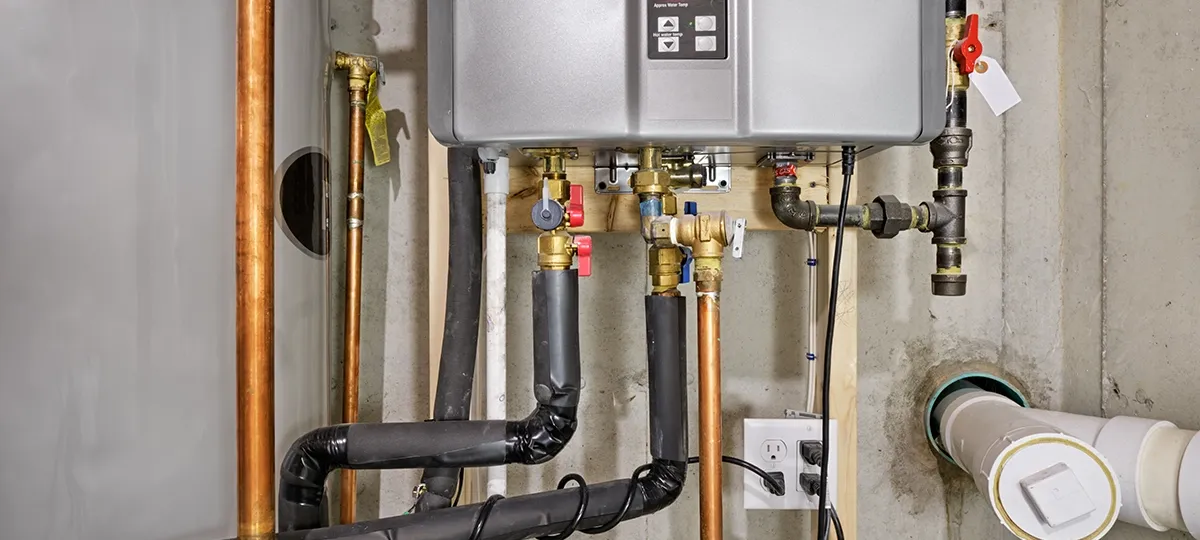
Choosing a new water heater is a big decision for any homeowner. Two of the most efficient options available today are heat pump water heaters and tankless systems. When comparing heat pump water heater vs tankless, you’ll find that each technology offers unique benefits and potential drawbacks. The best choice depends on your home’s needs, budget, and hot water usage patterns. We’ve installed and serviced both types of systems for years. Therefore, we’re here to help you understand which option might be the best fit for your family.
Understanding Heat Pump Water Heaters
A heat pump water heater works by pulling heat from the surrounding air. It then transfers this heat to the water in a storage tank. Think of it as a refrigerator working in reverse. Instead of generating heat directly through electric resistance coils or gas burners, these units capture existing heat energy from the air. That’s why they’re incredibly energy-efficient. In fact, they use up to 60% less electricity than conventional electric water heaters. When evaluating heat pump water heater vs tankless options, understanding this fundamental operating principle helps homeowners appreciate the unique efficiency characteristics of heat pump technology.
These systems require a storage tank. Typically, tanks range from 50 to 80 gallons. This means they need adequate space for installation. Because they extract heat from the air around them, heat pump units work best in warm environments. However, they may struggle in consistently cold spaces. The unit also produces cool air as a byproduct. This can actually be beneficial during warmer months since it helps dehumidify and cool the surrounding area.
Advantages of Heat Pump Technology
The biggest selling point is energy savings. Our customers regularly report 50-60% reductions in their water heating costs after we install a heat pump system. These units are also environmentally friendly since they use less electricity overall. Plus, with a storage tank, you have a reserve of hot water ready to go during peak usage times. This means multiple people can shower back-to-back without running out of hot water. Of course, the tank must be properly sized by a professional.
According to Energy.gov, heat pump water heaters can have lower operating costs than conventional storage water heaters. Many homeowners find that these long-term savings help offset the initial investment. As a result, they become more affordable than they first appear.
Heat Pump Water Heater Drawbacks
These units do come with some limitations. First, they have a higher upfront cost than traditional tank water heaters. Sometimes they even cost more than tankless systems. Installation can be more complex since the unit needs adequate space. Specifically, it requires at least 1,000 cubic feet of air space around it to function efficiently. They also take longer to heat water than tankless systems. Therefore, recovery time can be an issue if you completely deplete the tank.
The units can be noisy, producing a humming sound similar to a dehumidifier. In fact, they won’t work efficiently in cold basements or garages where temperatures regularly drop below 40°F. For those situations, a different water heating solution makes more sense.
How Tankless Water Heaters Work
Tankless water heaters, also called on-demand or instantaneous water heaters, heat water only when you need it. When you turn on a hot water tap, cold water travels through a pipe into the unit. Then either a gas burner or electric heating element warms it instantly. Because there’s no storage tank, you never run out of hot water. The system just keeps heating as long as you keep the tap running. Understanding the heat pump water heater vs tankless comparison requires recognizing how these on-demand systems operate fundamentally differently from storage-based heat pump models.
These compact units mount on walls. They take up very little space compared to tank-style heaters. That’s a major advantage in homes with limited square footage. It’s also beneficial when you want to reclaim valuable floor space in a utility closet or garage.
Benefits of Going Tankless
The endless hot water supply is the feature most homeowners love. You can run the dishwasher, washing machine, and take a shower simultaneously. Plus, you won’t worry about depleting a tank. Tankless units also last longer than tank systems. Typically, they last 20 years or more with proper maintenance. This compares to 10-15 years for tank-style heaters including heat pumps.
Energy efficiency is another key benefit. Since the unit only heats water when needed, there’s no standby heat loss. Traditional systems lose energy keeping a large tank of water hot 24/7. This can translate to 8-34% energy savings for homes that use 41 gallons or less of hot water daily. The compact size also means we can install them in smaller spaces. In some cases, we can even install them outdoors, freeing up interior room.
Tankless System Limitations
Even so, tankless water heaters have their challenges. The upfront cost is significantly higher than traditional tank heaters. Installation often requires upgrading gas lines or electrical systems. We frequently need to install larger gas pipes or upgrade electrical panels. This accommodates the high demand of tankless units. These additional infrastructure costs can add substantially to the total project price.
Flow rate limitations can also be an issue. While you won’t run out of hot water, the unit can only heat a certain number of gallons per minute. If you’re simultaneously running multiple high-demand fixtures, you might notice a drop in water temperature. In larger homes, we sometimes install multiple tankless units. Alternatively, we might install a larger commercial-grade system to handle peak demand periods.
Heat Pump Water Heater vs Tankless: Key Comparison Factors
Once you understand how each system works, it helps to compare them side by side. Energy use, installation needs, lifespan, and maintenance all matter. However, the right choice still depends on your home, your hot water habits, and your long-term comfort goals.
Energy Efficiency and Operating Costs
When comparing these two technologies, both offer substantial energy savings over conventional tank heaters. Heat pump systems typically provide the lowest operating costs in most situations. This is because they’re two to three times more energy-efficient than conventional electric heaters. However, tankless systems eliminate standby heat loss entirely. This can result in lower costs depending on usage patterns. The heat pump water heater vs tankless efficiency debate ultimately comes down to your specific household usage patterns and installation environment.
The heat pump water heater vs tankless efficiency debate ultimately comes down to your specific household usage patterns and installation environment. For homes with moderate hot water usage and warm installation locations, heat pump units usually cost less to operate. However, for homes with high simultaneous demand, tankless systems might be a better fit. This is also true when space conditioning from the heat pump isn’t beneficial.
Heat Pump Water Heater vs Tankless Installation Complexity
Installation needs can vary quite a bit between these two systems. Heat pump water heaters generally have moderate installation requirements. We need to ensure adequate space, proper ventilation, and a condensate drain. The electrical demands are typically manageable within existing home infrastructure.
Tankless installations, particularly gas models, can be more complex. We often need to evaluate gas lines, venting, and electrical capacity before installation. In some homes, updates may be needed to support the system properly. That said, electric tankless units in homes with sufficient electrical capacity can sometimes be simpler to install.
The heat pump water heater vs tankless installation comparison should always account for your home’s existing setup. That way, you understand what each option would actually require before making a decision.
Lifespan and Maintenance Requirements
Tankless water heaters win the longevity contest. They often last 20+ years with proper maintenance. Professional annual descaling and cleaning is recommended to prevent mineral buildup. This is especially important in areas with hard water. Heat pump water heaters typically last 10-15 years, similar to conventional tank heaters. They require periodic air filter cleaning and occasional coil maintenance to maintain peak efficiency.
Both systems benefit significantly from professional maintenance. We’ve seen properly maintained units last well beyond their expected lifespan. On the other hand, neglected systems fail prematurely regardless of the technology.
Heat Pump Water Heater vs Tankless: Which System Is Right for Your Home?
Choosing between a heat pump water heater and a tankless system depends on several factors specific to your household. Consider your daily hot water usage patterns first. Large families with high simultaneous demand might benefit from a heat pump system’s storage capacity. Alternatively, they may need multiple tankless units. Households with sporadic usage throughout the day often see better efficiency with tankless systems. Resolving the heat pump water heater vs tankless decision requires careful evaluation of your family’s unique hot water consumption habits and peak usage times.
Available installation space matters too. If you’re tight on space and need to mount a unit in a small closet or outdoors, tankless makes more sense. But if you have a basement or garage with adequate room and warm temperatures, a heat pump could be ideal. Your existing infrastructure also plays a role. Upgrading gas lines or electrical panels for tankless installation can significantly increase costs.
Climate considerations shouldn’t be overlooked. Heat pump water heaters perform best in warm to moderate climates. They work well where the ambient air temperature stays above 40°F year-round. In consistently cold spaces, their efficiency drops considerably. This makes tankless systems more practical.
Budget Considerations
Both options usually require a higher upfront investment than conventional water heaters. However, the total cost depends on the equipment, installation requirements, home layout, and any needed upgrades.
Heat pump water heaters may be more cost-effective when the home already has enough space, proper ventilation, electrical access, and a condensate drain. Tankless systems can involve more installation work, especially when gas lines, venting, or electrical capacity need to be updated.
Available rebates and tax credits may also help offset the initial investment. Heat pump water heaters often qualify for utility rebates, while some tankless systems may qualify for energy-efficiency incentives as well. We always help our customers explore these options when applicable, so they can make the most informed decision possible.
Professional Installation Makes the Difference
Regardless of which technology you choose, proper installation is critical. This ensures performance, efficiency, and longevity. We’ve repaired countless systems that underperform because they were incorrectly sized or improperly installed. Sometimes they simply don’t match the home’s hot water demands. Determining the right capacity requires analyzing your household’s peak usage, plumbing configuration, and specific installation conditions.
At Superior Plumbing and Drains, our technicians are trained and certified to install both systems. We evaluate your home’s specific needs. Then we explain the pros and cons of each option in your situation. We also provide transparent pricing before starting any work. Our goal is to help you make an informed decision. After that, we install a system that provides reliable hot water for years to come.
We also handle all the details. For example, we obtain necessary permits and ensure your installation meets local plumbing codes. When you work with us, you get the peace of mind that comes from knowing the job is done right the first time.
Making Your Decision
The debate between heat pump water heater vs tankless systems doesn’t have a universal answer. Both technologies offer excellent energy efficiency. They can dramatically reduce your water heating costs compared to older conventional systems. The right choice depends on your specific circumstances. This includes household size, hot water usage patterns, available space, existing infrastructure, and budget.
If you value having a hot water reserve, have adequate warm installation space, and want the lowest possible operating costs, a heat pump water heater is worth serious consideration. On the other hand, if endless hot water on demand, space savings, and longer lifespan are your priorities, a tankless system might be your best bet. Of course, you must be prepared for potentially higher installation costs.
We’re here to help you navigate this decision. Our team can assess your home. We can also discuss your specific needs and concerns. Plus, we provide expert recommendations based on years of experience with both systems. We’ll give you honest advice about which option makes the most sense for your situation. Along with that, we provide detailed quotes that include all necessary work—no surprises.
Ready to upgrade your water heating system? Superior Plumbing and Drains can help with professional water heater services based on your home’s needs. Contact us today to schedule a consultation. We’ll help you choose the right system and install it correctly. As a result, you can enjoy efficient, reliable hot water for years to come.
Frequently Asked Questions: Heat Pump Water Heater vs Tankless
Which is more energy efficient: heat pump or tankless water heater?
Heat pump water heaters are typically more energy-efficient overall. They use 60% less electricity than conventional electric heaters. However, tankless systems eliminate standby heat loss completely. The most efficient option depends on your household’s hot water usage patterns, climate, and installation location. Both technologies offer substantial savings over conventional tank heaters.
How much does it cost to install a heat pump vs tankless water heater?
Can a heat pump water heater work in a cold basement?
Heat pump water heaters struggle in cold environments below 40°F. This is because they extract heat from surrounding air. In consistently cold basements or garages, their efficiency drops significantly. They may not function properly. These units work best in warm to moderate climates with adequate air space. A tankless system may be better for cold locations.
Do tankless water heaters really provide endless hot water?
Tankless water heaters provide continuous hot water as long as demand doesn’t exceed the unit’s flow rate capacity. Typically, this is 2-5 gallons per minute. Multiple simultaneous high-demand fixtures may reduce temperature or require a larger unit. Unlike tank systems, you won’t completely run out. However, flow rate limitations exist based on unit size and incoming water temperature.
More Solutions
Why you need our superior services
-
 Thank you to both Scott and Brendon. They did a great job taking care of my issue. In addition, they went the extra mile to ensure things were work as they should and planned a follow up the next day to ensure everything is still good. I’ve been using Superior Plumbing for over 8 years. I would highly recommend Tim and his team because they care about great customer satisfaction as well as the community!!
 -
When I needed a plumber due to a water issue at my home, Superior was the only company who not only responded with the quickest appointment time but called to let me know that due to a cancellation they were able to come even sooner. I especially appreciated the text message I received prior to the technician arriving, showing me his picture as well as his name. Walker, the technician, was professional, highly knowledgeable, and …Read All Reviews
-
Thank you Superior for such prompt, reasonable, professional service when we were without water. You are worthy of your name! We will be sharing our experience at Superior with friends that may need plumbing or well services in the future.
-
We discovered a slow water line leak in our home that was starting to damage our flooring so we needed help right away. I did not have prior experience with Superior Plumbing & Drains in the past, but reached out to them for help. They were able to schedule an appointment with me quickly. The responding Technician, Walker, was very professional and courteous and took the time to explain the problem and repair to …Read All Reviews
-
I had an emergency plumbing situation in my short-term rental & Superior Plumbing went above and beyond to help me out in a time pinch. The staff was KIND, HONEST, & thorough, without price gouging! I would HIGHLY recommend to anyone!
-
They were able to respond quickly when our water heater quit working. One of their plumbers came to the house, inspected heater, recommended replacement and explained clearly why he was recommending replacement. He then gave options of different prices and types of heaters. Once we made our choice they completed the work the next day. I would recommend this company without a question.


Superior Solutions for every drain In Charlotte, NC and surrounding areas.
We provide family-oriented plumbing solutions for all your needs in Charlotte, NC, and surrounding areas. From drain cleaning and plumbing repairs to water heaters, jetting, and filtration systems, our team is available 24/7 to assist you.
 For immediate service, call (980) 372-7151.


Budget-friendly financing for your plumbing needs