Polybutylene Pipes: Risks, Replacement & What Homeowners Should Know

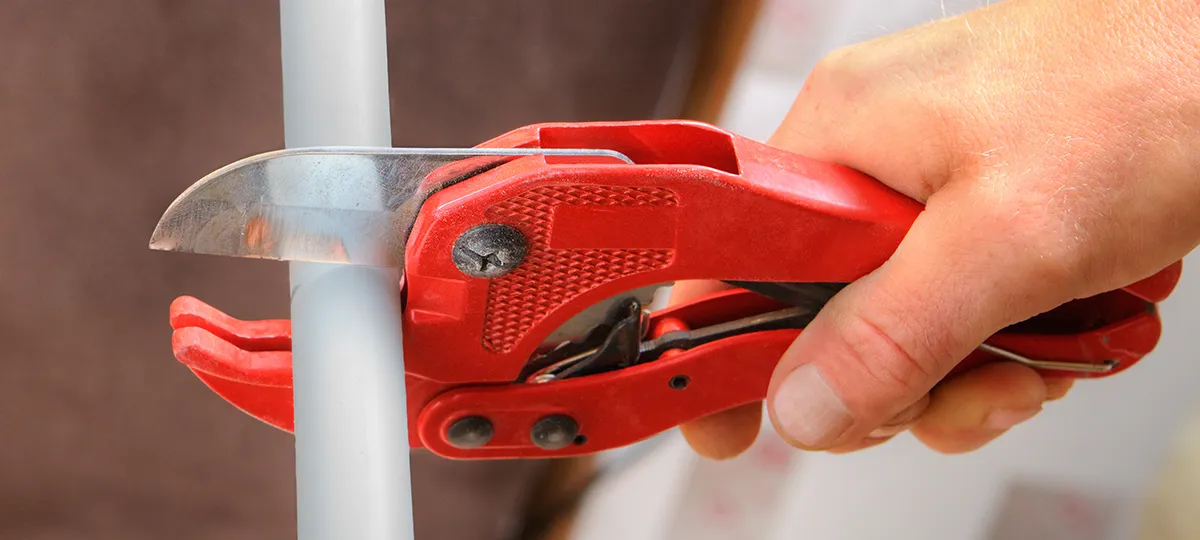
Many homeowners believe polybutylene pipes were simply an outdated plumbing choice, but the truth is they were actually recognized as defective and the subject of one of the largest class-action settlements in U.S. history. Installed in millions of homes between the late 1970s and mid-1990s, these gray or blue plastic pipes were once marketed as a cost-effective, flexible alternative to copper—until they began failing at alarming rates.
If your Gastonia or Monroe area home was built or repiped during that window, there’s a real chance polybutylene is still hidden behind your walls. That means you’re living with a ticking clock. At Superior Plumbing and Drains, we help homeowners identify and replace these problem pipes before they cause serious water damage, because early action is always easier—and less expensive—than an emergency flood.
What Are Polybutylene Pipes?
Polybutylene pipes are plastic water supply lines commonly installed in homes from the late 1970s through the mid-1990s. Builders favored the material because it was inexpensive, flexible, and easier to install than copper. It was especially common in tract developments and multi-unit properties.
The pipes are often gray or blue and may be stamped with “PB” or “PB2110.” Depending on the home, they may run through crawl spaces, utility rooms, walls, or concrete slabs. Some systems also use copper near visible fixture connections, which can make the underlying polybutylene difficult to identify.
Research into the critical features affecting polybutylene reliability found that the material can deteriorate under normal water-system conditions. Our licensed technicians can inspect accessible piping, trace the supply lines, and determine whether polybutylene is present in your home.
Why Polybutylene Pipes Became a Problem
Polybutylene was removed from widespread residential use after reports of premature leaks and failures. One major concern is how the material responds to chlorine and other disinfectants used in water systems.
Researchers writing in the peer-reviewed journal Polymer Degradation and Stability found that chlorinated water caused degradation of polybutene-1 pipe material and shortened pipe life compared with pure water. The researchers also observed surface cracking and chemical degradation along the inner pipe wall.
Because this deterioration begins inside the pipe, visible sections may appear normal even while the material is weakening. Fittings and joints may also develop problems as the system ages. There is no reliable visual way to predict exactly when a weakened section will fail.
Repairing one damaged area does not address deterioration throughout the remaining system. Our licensed plumbers can evaluate the extent of the piping and explain whether a complete home repiping project is the most dependable long-term solution.
Signs You Have Polybutylene Pipes in Your Home
Start by checking exposed supply lines near your water heater, under sinks, inside utility rooms, or throughout an accessible crawl space or basement. Polybutylene is usually gray or blue, measures approximately ½ inch to 1 inch in diameter, and may be stamped with “PB” or “PB2110.”
Do not assume that visible copper connections mean your entire home has copper plumbing. Some polybutylene systems use copper stub-outs near fixtures while the plastic piping continues inside the wall.
Other possible indicators include unexplained leaks, changes in water pressure, or a history of repeated repairs to supply lines and fittings. However, the absence of these problems does not confirm that the system is in good condition.
If you are unsure what type of piping is installed, our licensed plumbing team at Superior Plumbing and Drains can inspect accessible areas and trace the water lines. We will clearly explain what we find and whether further action is recommended.
Risks of Keeping Polybutylene Plumbing
Keeping polybutylene plumbing in place can create property, insurance, and real estate concerns.
A weakened line may rupture inside a wall, beneath flooring, or under a slab. A significant leak can damage drywall, flooring, furnishings, insulation, and structural materials before the water is shut off.
Insurance coverage can also be complicated. Some carriers may exclude damage associated with polybutylene or require replacement before issuing or renewing a policy. Homeowners should review their individual policy or speak directly with their insurance provider to understand any restrictions.
Polybutylene can also become an issue when selling or refinancing a home. Inspectors and buyers may view it as a material defect, potentially delaying closing, affecting negotiations, or leading to a request for replacement.
Addressing the system proactively allows you to choose the timing of the project instead of arranging emergency work after a failure. Our plumbers can inspect the piping and outline a replacement plan based on your home’s layout and condition.
What Polybutylene Pipe Replacement Involves
When you call us for polybutylene replacement, we begin with a complete assessment of your plumbing system. Our licensed technicians map the affected pipes, check for active leaks, measure water pressure, and inspect connections at fixtures, appliances, and the water heater. This evaluation helps us determine the necessary access points and whether any drywall or flooring must be temporarily removed. This initial evaluation also helps us determine whether copper or one of the available PEX piping options is best suited to your home’s layout and plumbing needs.
The repiping process is completed methodically to limit disruption. Our plumbers isolate and drain the old polybutylene lines before removing accessible sections from crawl spaces, attics, and other open areas. For pipes concealed inside walls or beneath floors, we create strategic access points rather than opening more of the home than necessary. We then secure the new piping according to code and pressure-test every connection before closing the access points. Water service may be restored in stages to reduce the amount of time your household is without running water.
Once the new system is installed and tested, we restore full water pressure and check every fixture for proper flow. We also confirm that the new connections are secure and free from leaks. Before work begins, our team explains the expected timeline, access requirements, and any repairs needed to close the affected walls or surfaces. Contact Superior Plumbing and Drains for a detailed polybutylene replacement estimate tailored to your Gastonia or Monroe area home.
When to Call a Licensed Plumber
Schedule a professional inspection if you see gray or blue supply pipes marked with “PB” or “PB2110.” You should also call a plumber if your home has unexplained leaks, recurring supply-line problems, sudden pressure changes, or water damage with no obvious source.
An inspection may also be helpful before purchasing, selling, remodeling, or refinancing an older home. Scheduling a professional plumbing inspection before buying a home can reveal outdated supply lines and other concerns before the transaction is complete. Identifying the piping early gives you time to understand the scope of the system and plan any recommended replacement work.
Our licensed plumbers can trace the polybutylene lines, check accessible connections, and prepare a repiping plan tailored to your property. Contact Superior Plumbing and Drains to schedule an in-person assessment.
Frequently Asked Questions
How do I know if I have polybutylene pipes in my home?
Look for gray or blue plastic supply lines stamped with “PB” or “PB2110,” particularly near the water heater, beneath sinks, or in crawl spaces and utility rooms. Because some systems use visible copper connections, a professional inspection may be needed to confirm what is installed behind the walls.
Why are polybutylene pipes considered a problem?
Chlorine and other water-treatment chemicals can gradually weaken the material and its fittings. The damage often develops internally, making it difficult to detect before a leak occurs.
What factors affect the total expense of replacing polybutylene plumbing?
The main factors include the size of the home, the amount of piping, accessibility, the chosen replacement material, and the extent of drywall or flooring repairs. A plumber must inspect the system before providing an accurate estimate.
Can I replace just one section of polybutylene pipe?
A damaged section can sometimes be repaired temporarily, but the remaining polybutylene is the same age and may have similar deterioration. Whole-home replacement generally provides a more dependable long-term solution than repeatedly repairing individual leaks.
More Solutions
Why you need our superior services
-
 Thank you to both Scott and Brendon. They did a great job taking care of my issue. In addition, they went the extra mile to ensure things were work as they should and planned a follow up the next day to ensure everything is still good. I’ve been using Superior Plumbing for over 8 years. I would highly recommend Tim and his team because they care about great customer satisfaction as well as the community!!
 -
When I needed a plumber due to a water issue at my home, Superior was the only company who not only responded with the quickest appointment time but called to let me know that due to a cancellation they were able to come even sooner. I especially appreciated the text message I received prior to the technician arriving, showing me his picture as well as his name. Walker, the technician, was professional, highly knowledgeable, and …Read All Reviews
-
Thank you Superior for such prompt, reasonable, professional service when we were without water. You are worthy of your name! We will be sharing our experience at Superior with friends that may need plumbing or well services in the future.
-
We discovered a slow water line leak in our home that was starting to damage our flooring so we needed help right away. I did not have prior experience with Superior Plumbing & Drains in the past, but reached out to them for help. They were able to schedule an appointment with me quickly. The responding Technician, Walker, was very professional and courteous and took the time to explain the problem and repair to …Read All Reviews
-
I had an emergency plumbing situation in my short-term rental & Superior Plumbing went above and beyond to help me out in a time pinch. The staff was KIND, HONEST, & thorough, without price gouging! I would HIGHLY recommend to anyone!
-
They were able to respond quickly when our water heater quit working. One of their plumbers came to the house, inspected heater, recommended replacement and explained clearly why he was recommending replacement. He then gave options of different prices and types of heaters. Once we made our choice they completed the work the next day. I would recommend this company without a question.


Superior Solutions for every drain In Charlotte, NC and surrounding areas.
We provide family-oriented plumbing solutions for all your needs in Charlotte, NC, and surrounding areas. From drain cleaning and plumbing repairs to water heaters, jetting, and filtration systems, our team is available 24/7 to assist you.
 For immediate service, call (980) 372-7151.


Budget-friendly financing for your plumbing needs