Gas vs Electric Water Heater Comparison Guide 2026

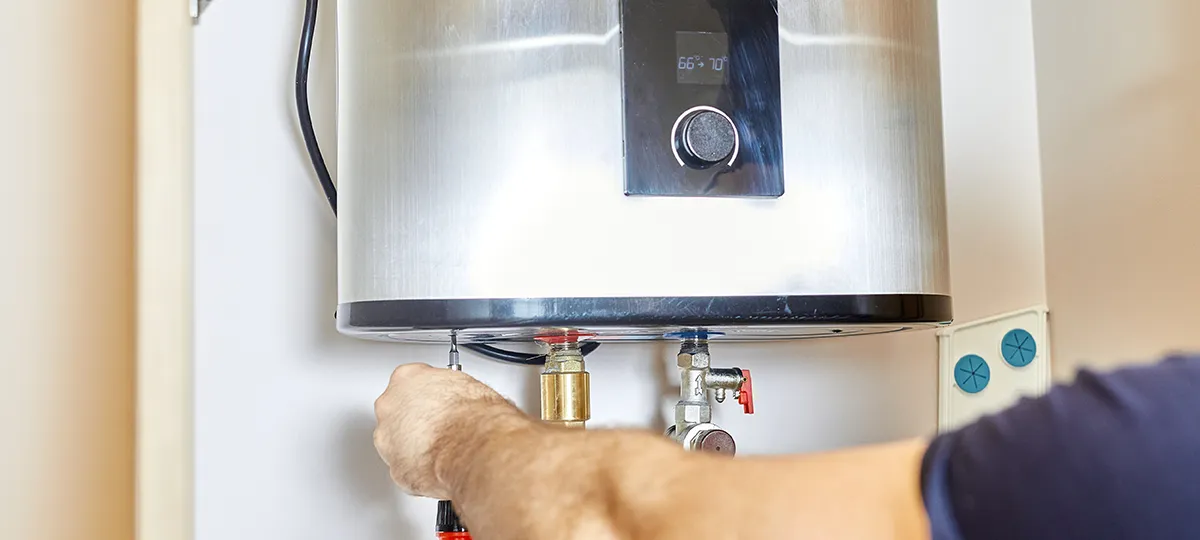
When you’re facing a gas vs electric water heater comparison, the decision can feel overwhelming because both systems have distinct advantages that depend on your home’s setup, budget, and hot water needs. Many homeowners aren’t sure which type will save them money over time or which one fits their existing utility connections and space.
That’s why we work with families every day to explain the real-world differences—from energy efficiency and monthly operating costs to installation requirements and how quickly each system can recover after heavy use. Understanding these factors now will help you make a confident choice that keeps your household comfortable for years to come. Our licensed technicians are here to walk you through every detail so you get the right water heater for your specific situation.
Gas vs Electric Water Heater Comparison: Which Is Right for Your Home?
If you’re replacing a water heater or installing one for the first time, you’re facing one of the most important decisions about your home’s plumbing system. The choice between gas and electric water heaters affects not just your monthly utility bills, but also installation complexity, maintenance needs, and how quickly your family gets hot water during peak demand. We talk with homeowners in Gastonia and Monroe every week who aren’t sure which fuel type makes the most sense for their specific situation. That’s completely understandable because the “right” answer depends on factors most people have never had to think about.
Both systems have distinct advantages and limitations. Electric water heaters often show higher Uniform Energy Factor (UEF) ratings than standard gas storage models, according to ENERGY STAR. Yet efficiency ratings only tell part of the story because fuel costs, household demand, and installation requirements also matter. Gas units often recover faster and may cost less to operate where natural gas is affordable. In contrast, electric models are simpler to install and maintain.
How Gas and Electric Water Heaters Work
When we diagnose water heater issues in Gastonia and Monroe-area homes, understanding the fundamental differences between gas and electric models helps us pinpoint problems quickly. A gas water heater uses a burner at the bottom of the tank, ignited by a pilot light or electronic ignition system. Natural gas or propane heats the water from below, and exhaust gases vent through a flue pipe that runs up through your home. Gas units deliver hot water faster due to their swift heating capabilities—something our customers often notice when comparing recovery times between systems.
Electric water heaters operate differently. They use one or two heating elements—metal rods that sit inside the tank and heat water through electrical resistance, similar to how a coffee maker works. There’s no combustion, no venting required, and no gas line connection. When we inspect an electric unit that’s underperforming, we’re often looking at failed elements, faulty thermostats, or electrical supply issues. Gas systems, meanwhile, can develop problems with components like the ignition system, burner assembly, or venting. These are completely different diagnostic paths that require specialized knowledge and tools our licensed technicians use daily. Understanding how each system operates is a crucial part of any gas vs electric water heater comparison.
Comparing Energy Efficiency and Operating Costs
When homeowners call us to discuss water heater replacement, monthly operating costs usually top the list of concerns. Gas water heaters may cost less to run day-to-day in homes where natural gas is affordable and already available. However, operating costs vary by household hot water demand, current utility rates, and whether the home has existing gas or electric hookups. Operating costs vary by household hot water demand and current utility rates. That’s why we help families evaluate their actual usage patterns and conduct a complete gas vs electric water heater comparison.
However, the efficiency story is more nuanced. Electric water heaters convert nearly all incoming energy into heat—often achieving 95% or higher efficiency. This happens because there’s no exhaust vent losing heat up a flue. Gas models lose some energy through venting, typically landing around 60–70% efficiency for standard atmospheric units. Even so, power-vented and condensing gas models push closer to 90%. We help homeowners evaluate both the upfront fuel cost advantage of gas and the conversion efficiency edge of electric units.
Our team can assess your current utility bills, hot water usage patterns, and existing infrastructure to provide a realistic cost comparison tailored to your home. This way, you can make a confident decision that balances immediate budget and long-term value.
Installation Requirements and Upfront Investment
When choosing between a gas or electric water heater, the installation complexity and upfront costs differ significantly. Understanding these requirements helps you plan for the real total investment. Electric units typically carry lower initial purchase prices and simpler installation demands. They require a dedicated electrical circuit and breaker, but if your home already has the proper 240-volt wiring in place, the setup is relatively straightforward for a licensed professional.
Gas water heaters involve more complex infrastructure. Beyond the unit cost, professional installation requires proper gas line routing, combustion air supply, and safe venting to expel exhaust gases outdoors. Homes without existing gas service will face substantial additional expense to run a new gas line. We regularly see homeowners surprised by permitting requirements, chimney liner upgrades, or ventilation modifications that older homes need to meet current safety codes. A proper gas vs electric water heater comparison must account for these installation differences.
A certified plumber will assess your existing utilities, evaluate structural clearances, verify proper ventilation pathways, and ensure all work complies with local building and safety regulations. These are critical steps that protect your family and your investment. If you’re considering a water heater upgrade or replacement, contact us for a thorough assessment of your home’s infrastructure and an honest estimate of total installation costs.
Performance, Recovery Time, and Household Needs
One of the most critical differences between gas and electric water heaters is how quickly they can recover after the tank has been depleted. Gas units typically reheat water in 30–40 minutes, while electric models often need 60–90 minutes to reach the same temperature. For families with back-to-back showers, multiple bathrooms, or heavy laundry days, that recovery gap can mean the difference between comfort and cold water surprises.
We’ve seen many homeowners struggle with undersized or underperforming units. Running out of hot water mid-shower is one of the most common complaints we hear. If you’re consistently maxing out your capacity, the issue might not be your usage habits. It could be a mismatch between your household’s demand and your current system’s recovery rate. Gas heaters generally suit larger families or homes with simultaneous hot water needs, while ENERGY STAR certified heat pump water heaters can work well for smaller households with staggered schedules. Evaluating these performance factors is an essential step in your gas vs electric water heater comparison.
Choosing the right type and capacity requires understanding your daily patterns and future needs. Our team can assess your household size, fixture count, and usage peaks to recommend a system that keeps up without wasting energy. If you’re unsure whether your current water heater is meeting your needs — or if you’re planning an upgrade — contact us for a professional evaluation.
Making the Right Choice: Let Us Help You Decide
Choosing between a gas and electric water heater isn’t just about comparing spec sheets. It’s about matching the right system to your home’s infrastructure, your household’s hot water demands, and your long-term budget. Every home in Gastonia and Monroe is different, with unique plumbing configurations, electrical capacity, gas line access, and usage patterns. All of these factors influence which option will serve you best for years to come, making a comprehensive gas vs electric water heater comparison vital to your decision.
That’s where we come in. Our licensed plumbers assess your current setup, evaluate your utility connections, and calculate your hot water needs based on household size and usage. Then we walk you through the pros and cons specific to your situation. We’ll inspect your existing water heater location, check venting requirements for gas units or electrical panel capacity for electric models, and provide honest recommendations. We don’t just suggest what’s easiest to install, but what’s right for your home and budget.
Whether you’re replacing a failing unit or upgrading to a more efficient system, we handle the entire installation process safely and to code. Call us today, and let us help you make a confident, informed decision that keeps hot water flowing reliably in your home.
Gas vs Electric Water Heater Comparison: Frequently Asked Questions
Which is cheaper to run, a gas or electric water heater?
A gas vs electric water heater comparison should look at more than the monthly fuel bill. Gas water heaters may cost less to operate monthly in homes where natural gas is affordable and already available. However, electric models convert nearly all incoming energy into heat, while gas units lose some energy through venting. We can evaluate your specific utility rates, existing hookups, and usage patterns to show you the real cost difference for your household.
How long does it take a gas vs electric water heater to reheat?
Gas water heaters recover much faster, typically reheating a full tank in 30–40 minutes. Electric models need 60–90 minutes, in contrast. That’s why families with back-to-back showers or heavy simultaneous demand often prefer gas units. If you’re running out of hot water regularly, our team can assess whether your current system’s recovery rate matches your household needs and recommend the right upgrade.
Is it hard to switch from electric to gas water heater?
Switching from electric to gas requires professional installation of a gas line, proper venting for combustion exhaust, and ensuring adequate combustion air supply. This is significantly more complex than replacing an electric unit. Homes without existing gas service face substantial additional costs. Our licensed plumbers will inspect your infrastructure, evaluate structural and code requirements, and provide an honest estimate of what’s involved before you commit to the conversion.
Which lasts longer, gas or electric water heaters?
Both gas and electric water heaters typically last 8–12 years with proper maintenance. Lifespan depends more on water quality, usage patterns, and regular servicing than fuel type. Electric units have fewer mechanical components that can fail, while gas models require periodic burner and venting inspections. Our team provides maintenance services for both types to maximize longevity and catch small issues before they become expensive failures.
More Solutions
Why you need our superior services
-
 Thank you to both Scott and Brendon. They did a great job taking care of my issue. In addition, they went the extra mile to ensure things were work as they should and planned a follow up the next day to ensure everything is still good. I’ve been using Superior Plumbing for over 8 years. I would highly recommend Tim and his team because they care about great customer satisfaction as well as the community!!
 -
When I needed a plumber due to a water issue at my home, Superior was the only company who not only responded with the quickest appointment time but called to let me know that due to a cancellation they were able to come even sooner. I especially appreciated the text message I received prior to the technician arriving, showing me his picture as well as his name. Walker, the technician, was professional, highly knowledgeable, and …Read All Reviews
-
Thank you Superior for such prompt, reasonable, professional service when we were without water. You are worthy of your name! We will be sharing our experience at Superior with friends that may need plumbing or well services in the future.
-
We discovered a slow water line leak in our home that was starting to damage our flooring so we needed help right away. I did not have prior experience with Superior Plumbing & Drains in the past, but reached out to them for help. They were able to schedule an appointment with me quickly. The responding Technician, Walker, was very professional and courteous and took the time to explain the problem and repair to …Read All Reviews
-
I had an emergency plumbing situation in my short-term rental & Superior Plumbing went above and beyond to help me out in a time pinch. The staff was KIND, HONEST, & thorough, without price gouging! I would HIGHLY recommend to anyone!
-
They were able to respond quickly when our water heater quit working. One of their plumbers came to the house, inspected heater, recommended replacement and explained clearly why he was recommending replacement. He then gave options of different prices and types of heaters. Once we made our choice they completed the work the next day. I would recommend this company without a question.


Superior Solutions for every drain In Charlotte, NC and surrounding areas.
We provide family-oriented plumbing solutions for all your needs in Charlotte, NC, and surrounding areas. From drain cleaning and plumbing repairs to water heaters, jetting, and filtration systems, our team is available 24/7 to assist you.
 For immediate service, call (980) 372-7151.


Budget-friendly financing for your plumbing needs