2

Skip to main content

Author: zherms.superior@gmail.com

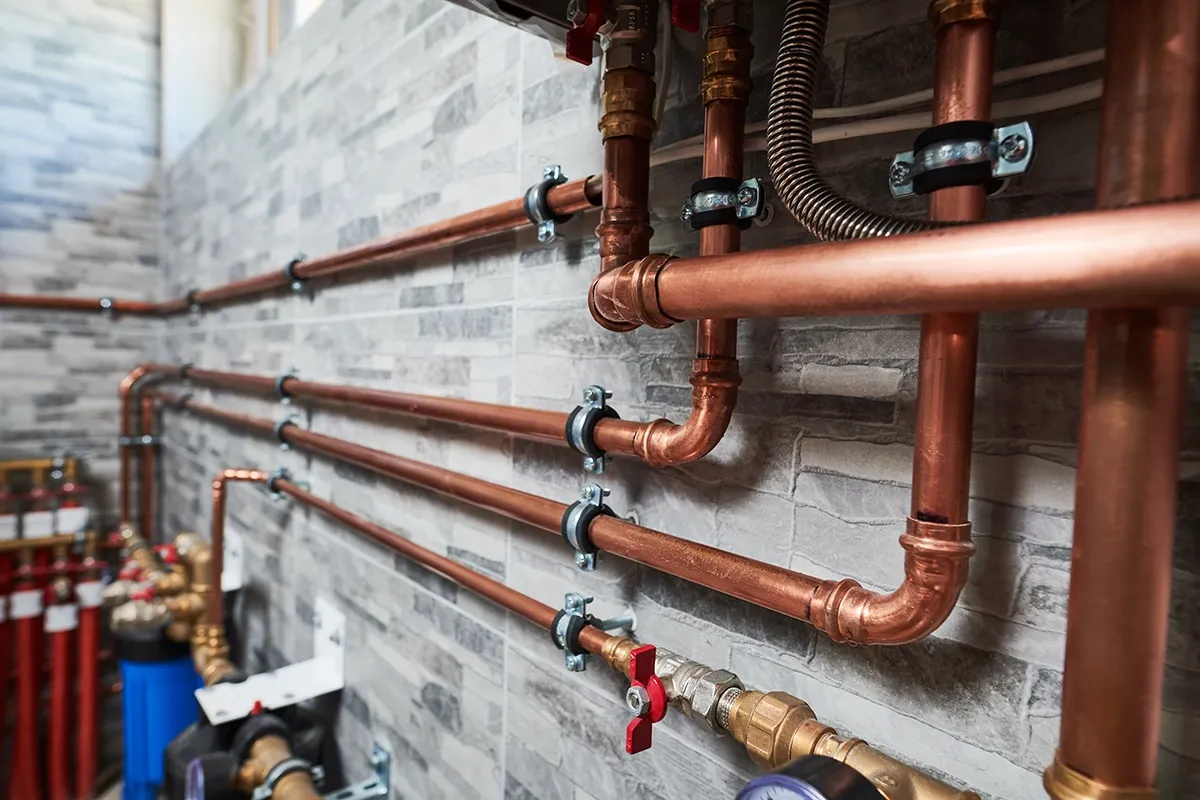
Galvanized pipe vs copper pipe comparison featuring modern copper plumbing lines and fittings in a residential plumbing system

Galvanized Pipe vs Copper Pipe: Which Is Better?

If your home has older supply lines, comparing galvanized pipe vs copper pipe can help you decide what to repair or replace. Both materials have been used in residential plumbing for decades. However, they behave very differently as they age. Galvanized steel can corrode internally after its protective coating breaks down. Copper can also corrode, but it does not rust like steel. For homeowners in Gastonia, Charlotte, and Monroe, the best choice depends on pipe condition, water quality, budget, and project scope.

Galvanized Pipe vs Copper Pipe: Quick Comparison

The biggest difference in galvanized pipe vs copper pipe is how each material handles corrosion. Galvanized pipe is steel coated with zinc. That coating helps protect the steel underneath, but it wears away over time.

Copper is naturally resistant to rust because it contains no iron. However, copper can still corrode under certain water conditions. As a result, pinhole leaks or staining can develop in some systems.

Galvanized pipe is also heavier and usually joined with threaded fittings. Copper is lighter and commonly joined with soldered or press fittings. Therefore, copper is often easier to work with in many residential applications.

How Galvanized Pipe Changes Over Time

Galvanized steel starts with a zinc coating that slows corrosion. However, that protective layer does not last forever. Once it deteriorates, the steel beneath can begin rusting from the inside.

Internal corrosion may gradually narrow the pipe opening. Consequently, homeowners may notice weak flow before they ever see an exterior leak. Rust-colored water can also appear after water sits in the pipes for several hours.

Although galvanized piping may appear solid outside, galvanized steel can still rust internally. A professional inspection can help determine whether the damage is isolated or widespread.

Galvanized Pipe vs Copper Pipe: Durability and Corrosion

When comparing galvanized pipe vs copper pipe for durability, copper avoids the rust problems associated with aging steel. Still, copper is not immune to every form of corrosion.

Water chemistry, pressure, installation quality, and contact with incompatible metals can all affect copper. Therefore, green or blue staining, pinhole leaks, or recurring failures should be evaluated.

Galvanized pipe, meanwhile, tends to develop internal rust and mineral buildup as it ages. That buildup can restrict water flow and weaken pipe walls. As a result, an older galvanized system may become unreliable before a major leak occurs.

For that reason, current pipe condition matters more than exterior appearance alone. A galvanized pipe can look intact outside while significant buildup develops inside.

Cost and Installation Differences

Cost matters when deciding between old galvanized plumbing and a copper replacement. Copper material costs can represent a significant part of a repiping project. However, comparing galvanized pipe vs copper pipe is not only about material price.

Removing old threaded galvanized pipe can be labor-intensive. Corroded fittings may be difficult to separate, while hidden sections may require additional access. Copper installation also requires skilled connections and careful routing.

Therefore, the final price depends on more than pipe length. Home size, fixture count, accessibility, wall openings, and the amount of existing pipe all affect the project.

If deterioration affects several areas, repiping may be more practical than repairing one failing section after another.

Galvanized Pipe vs Copper Pipe: Water Quality and Pressure

Water quality and pressure are important parts of any galvanized pipe vs copper pipe comparison. Aging galvanized pipes can collect corrosion and mineral buildup along their interior walls.

That buildup may reduce the pipe’s internal diameter. Consequently, low water pressure at several fixtures can point to restricted supply lines rather than one clogged faucet.

Galvanized piping can also matter when evaluating possible lead exposure. The U.S. Environmental Protection Agency explains that lead particles can attach to galvanized pipe surfaces. Over time, those particles can enter drinking water.

Copper does not eliminate every water-quality concern. However, it does not develop the same internal rust scale as galvanized steel. If you notice persistent discoloration, metallic taste, or unexplained pressure changes, have the system evaluated instead of assuming the issue is cosmetic.

What North Carolina Homeowners Should Know About Plumbing Code

Material selection also needs to meet current installation requirements. The North Carolina Plumbing Code establishes standards for approved plumbing materials and water-supply installations.

However, code recognition does not mean an old corroded galvanized system should remain in service. Existing condition still matters. Additionally, replacement work must use appropriate materials, fittings, and installation methods for the specific application.

Therefore, homeowners in Gastonia, Charlotte, and Monroe should have a plumber evaluate the existing system before selecting replacement piping.

When Should Galvanized Pipes Be Replaced?

A single leak does not always mean the entire plumbing system needs replacement. However, repeated leaks, rusty water, and low pressure can point to widespread deterioration.

Visible corrosion around threaded joints is another warning sign. Additionally, frequent repairs in different areas may indicate that the system is aging as a whole.

At that point, the galvanized pipe vs copper pipe decision becomes part of a larger repiping conversation. A plumber can inspect accessible lines, evaluate pressure, and determine whether targeted replacement is still reasonable.

For properties with an aging main line, water line replacement may also need consideration separately from interior repiping. The condition and location of each pipe should guide the scope of work.

Waiting for a severely corroded pipe to fail can also create unnecessary water damage. Therefore, recurring warning signs deserve attention even when the pipes are not actively leaking.

Galvanized Pipe vs Copper Pipe: Which Is Better for Older Homes?

For many older homes, copper is the stronger choice when the comparison is limited to galvanized pipe vs copper pipe. Copper avoids the internal rust problems that commonly affect aging galvanized steel.

However, that does not mean every galvanized line must be replaced immediately. If the piping remains in good condition, a plumber may recommend monitoring it instead of replacing it without cause.

The decision changes when corrosion is widespread. Rusty water, restricted flow, leaks at several joints, or repeated repairs can make replacement more practical.

Home layout also matters. Pipes hidden behind tile, cabinets, finished ceilings, or tight framing can increase labor. Therefore, the best material and replacement plan should be based on an on-site evaluation.

Copper can also develop problems over time. Consequently, proper sizing, installation, water conditions, and pressure remain important regardless of which material is selected.

Choosing a Replacement in Gastonia, Charlotte, and Monroe

Homes across Gastonia, Charlotte, and Monroe vary greatly in age and construction. Some properties still contain older galvanized sections, while others have already been partially updated.

A partial replacement can sometimes create a mix of materials. Therefore, transitions between old and new piping need to be planned correctly. Proper fittings help reduce connection problems and future leaks.

When comparing galvanized pipe vs copper pipe for your home, focus on the condition of the existing system first. Then consider accessibility, budget, water pressure, and long-term reliability.

Superior Plumbing & Drains can inspect aging supply lines and explain your replacement options. We can also determine whether the problem is limited to one section or affects the larger system.

Contact Superior Plumbing & Drains today to schedule a plumbing evaluation in Gastonia, Charlotte, Monroe, or a surrounding community.

Galvanized Pipe vs Copper Pipe FAQs

Is copper pipe better than galvanized pipe?

Copper is often a better replacement choice because it does not develop the same internal rust as galvanized steel. However, copper can still corrode under certain conditions. The best option depends on your plumbing system, water quality, and installation requirements.

How can I tell if my home has galvanized pipes?

Galvanized pipes are typically gray or silver and often have threaded fittings. Older sections may appear dark, rusty, or discolored. A magnet will usually stick to galvanized steel but not copper.

Can galvanized pipes cause low water pressure?

Yes. Internal rust and mineral buildup can narrow aging galvanized pipes and reduce water flow. If low pressure affects several fixtures, the restriction may be inside the supply piping rather than at one faucet.

Which is better when comparing galvanized pipe vs copper pipe?

Copper is generally the better choice for replacing deteriorated galvanized plumbing because it does not rust like steel. However, the best replacement depends on your home, water conditions, budget, and plumbing layout.

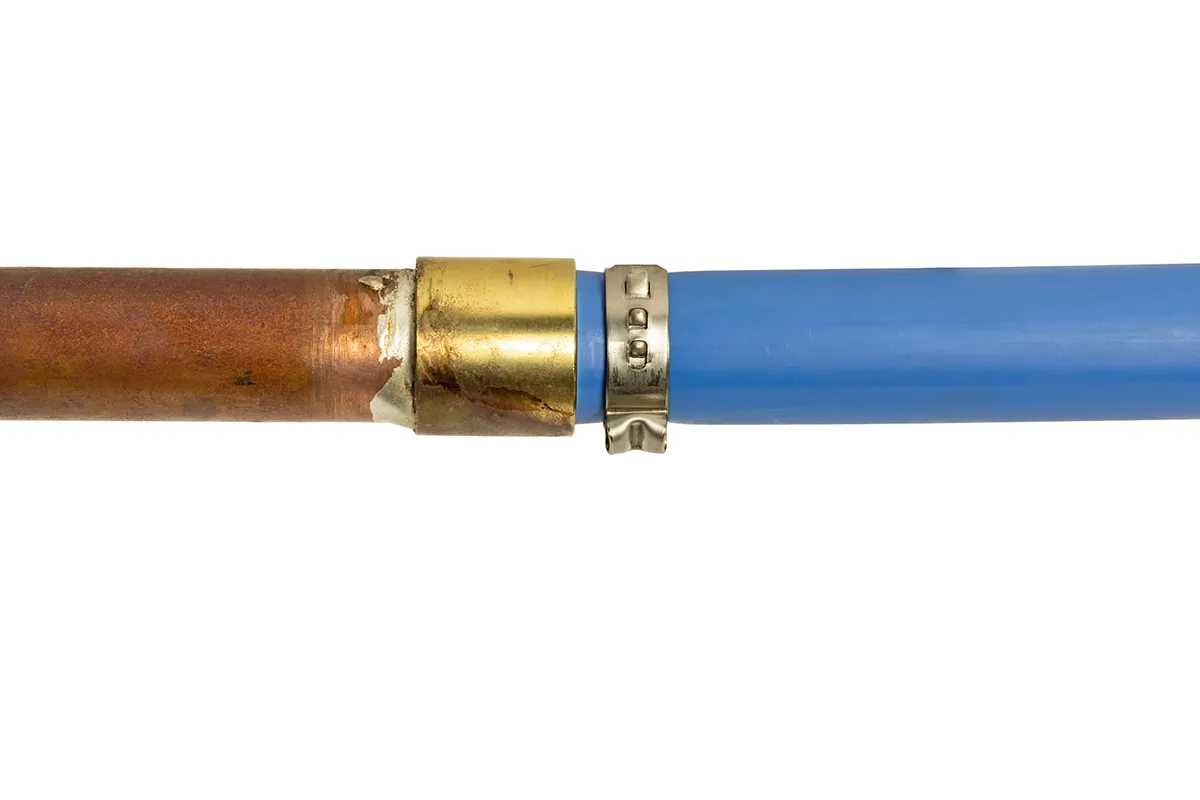
Copper pipe vs PEX pipe connection showing the differences between traditional copper and flexible PEX plumbing materials

Copper Pipe vs PEX Pipe: Which Is Better?

Choosing between copper pipe vs PEX pipe can feel complicated when you are planning a repair, remodel, or whole-home repipe. Both materials can provide reliable water distribution when installed correctly. However, their cost, flexibility, installation requirements, and long-term performance differ. For homeowners in Gastonia, Charlotte, and Monroe, the best choice often depends on the home’s age, layout, water conditions, and budget.

Copper has been used in residential plumbing for decades. It is rigid, durable, and familiar to many homeowners. PEX, or cross-linked polyethylene, is flexible plastic tubing used for hot and cold water lines. Because it bends around obstacles, PEX can often reduce the number of fittings needed during installation.

Neither material is automatically right for every property. Therefore, understanding the differences can help you make a more informed decision.

Copper Pipe vs PEX Pipe: Quick Comparison

When comparing copper pipe vs PEX pipe, homeowners usually focus first on durability and cost. Both materials can perform well for many years. However, they reach that goal in different ways.

Copper is a rigid metal piping material. It handles high temperatures well and does not have the same sunlight limitations as PEX. Additionally, its rigid structure can be useful in exposed or carefully organized plumbing areas.

PEX is flexible and easier to route through walls, floors, crawl spaces, and other tight areas. Consequently, an installer may need fewer elbows and fittings. Fewer connections can also mean fewer potential leak points when the system is installed properly.

PEX does not corrode like metal piping. Copper, meanwhile, can develop corrosion or pinhole leaks under certain water conditions. Therefore, the condition of your water supply should be considered before choosing a material.

Copper Pipe vs PEX Pipe: Cost and Installation

Cost is one of the biggest differences between these materials. In many projects, PEX has a lower material cost than copper. Installation can also require less labor because the tubing is flexible.

Copper installation is usually more involved. Each rigid section must be measured, cut, fitted, and connected correctly. Additionally, routing copper through an existing home may require more access to walls or ceilings.

PEX can often be pulled through areas that would be harder to reach with rigid pipe. As a result, it may be especially practical for repiping older homes.

Still, the lowest upfront price should not be the only consideration. Pipe size, access, fixture count, and the existing plumbing layout all affect the final estimate.

If several supply lines are failing, repiping may be more practical than repeatedly repairing individual sections.

How Durability Differs Between Copper and PEX

When evaluating copper pipe vs PEX pipe for durability, both materials can provide long service lives. However, the conditions surrounding the piping make a major difference.

Copper does not have the same UV sensitivity as PEX. It also has a long history in residential plumbing. However, copper is still vulnerable to certain forms of corrosion.

Water chemistry can affect metal piping over time. Therefore, unexplained blue-green staining, pinhole leaks, or repeated copper failures deserve professional evaluation.

PEX does not rust or develop metal corrosion. Additionally, its flexibility allows it to tolerate some movement that rigid piping cannot. That can be useful in homes where pipes run through crawl spaces or complex framing.

PEX is also more tolerant of freezing conditions than rigid copper. However, no plumbing pipe should be considered freeze-proof. Proper insulation and cold-weather protection are still important.

Copper Pipe vs PEX Pipe and North Carolina Code

A plumbing material must do more than fit your budget. It also needs to meet applicable installation and drinking-water requirements.

The North Carolina Plumbing Code recognizes both copper and cross-linked polyethylene for water distribution when products meet the required standards. The code also lists specific standards for approved piping and fittings.

Therefore, homeowners should not assume that one material is automatically more code-compliant than the other. Proper product selection and professional installation matter more.

Federal drinking-water requirements matter as well. The U.S. Environmental Protection Agency’s lead-free plumbing requirements apply to pipes, fittings, fixtures, solder, and other covered plumbing products used for drinking water.

Because plumbing codes and product requirements can change, installation should follow the standards in effect when the work is performed.

Which Material Works Better in Gastonia, Charlotte, and Monroe?

Homes throughout Gastonia, Charlotte, and Monroe vary widely in age, construction, and plumbing design. Because of that variety, the copper pipe vs PEX pipe decision can differ from one home to another.

PEX often works well for whole-home repiping because it can be routed through existing structures efficiently. It may also reduce the number of fittings required in complicated layouts. Homeowners considering PEX should also understand the differences between PEX A and PEX B before choosing a system.

Copper may be preferred in certain exposed areas or installations where a rigid material makes more sense. Additionally, some homeowners simply prefer copper because of its long track record.

The existing piping matters too. Older properties may contain galvanized steel or polybutylene that is already showing signs of deterioration. If polybutylene pipes are present, a plumber can evaluate the system and explain the available replacement options.

Ultimately, the right choice depends on the specific house rather than the city alone. A professional inspection can identify factors that may not be obvious from visible plumbing.

Water Quality Can Affect the Decision

Water chemistry is sometimes overlooked in a copper pipe vs PEX pipe comparison. However, it can influence long-term plumbing performance.

Copper can react with certain water conditions and eventually develop corrosion. Therefore, recurring pinhole leaks should not automatically be treated as isolated problems.

A plumber may need to look at the wider system. Water pressure, pipe age, and water chemistry can all contribute to repeated failures.

PEX avoids metal corrosion, which can make it attractive when corrosion has already affected older piping. However, the tubing, fittings, and connection method still need to be compatible and properly installed.

Additionally, installation quality can affect either material. Incorrect pipe sizing may restrict water flow. Poorly made connections can also create hidden leaks.

Ultimately, material quality and installation quality work together. Even a good pipe material can develop problems if it is incorrectly sized, poorly supported, or improperly connected.

When Should You Replace Existing Plumbing?

A single leak does not always mean your entire home needs new piping. However, repeated failures can point to a larger system problem. In those situations, comparing copper pipe vs PEX pipe may become part of a larger repiping decision.

Watch for frequent leaks in different areas of the home. Also, pay attention to unexplained drops in water pressure, discoloration, or visible corrosion.

Older plumbing materials can influence the decision as well. For example, widespread galvanized steel or aging polybutylene may justify a broader replacement plan.

A professional inspection can help determine whether the problem is isolated or system-wide. Therefore, you can avoid replacing good piping unnecessarily while addressing sections that are becoming unreliable.

For a major renovation, it can also make sense to evaluate supply lines while walls are already open. Doing so may reduce future disruption.

Additionally, homeowners buying an older property may want to identify the piping material before closing. Knowing what is behind the walls can help you plan future plumbing upgrades.

Which Is Better: Copper or PEX?

For many homeowners, the answer depends on priorities.

PEX often stands out for flexibility, installation efficiency, corrosion resistance, and lower project costs. Therefore, it is frequently a strong option for repiping and remodeling.

Copper remains a dependable choice in many applications. It offers rigidity, temperature tolerance, and a long history of residential use. However, it usually costs more to install and can be affected by corrosive water conditions.

When comparing copper pipe vs PEX pipe, the best material is the one that suits your specific plumbing system. Your home’s layout, water quality, existing pipes, and budget should all be considered.

Superior Plumbing & Drains serves homeowners throughout Gastonia, Charlotte, Monroe, and surrounding communities. We can inspect your plumbing, explain your material options, and recommend an installation plan based on your home.

Contact Superior Plumbing & Drains today to schedule a plumbing evaluation. We can help determine whether copper, PEX, or another solution makes the most sense for your property.

Frequently Asked Questions

Is PEX better than copper for home plumbing?

PEX is often better when flexibility, installation efficiency, and corrosion resistance are priorities. Copper may work better for certain exposed or rigid installations. The best choice depends on your home, water conditions, and project requirements.

Does PEX last as long as copper?

Both PEX and copper can provide long-term service when properly installed. However, actual lifespan depends on water chemistry, pressure, installation quality, environmental conditions, and maintenance.

Is PEX allowed in North Carolina homes?

Yes. North Carolina plumbing rules recognize qualifying PEX products for water distribution systems. The tubing and fittings must meet applicable standards and installation requirements.

Which is cheaper when comparing copper pipe vs PEX pipe?

PEX is generally less expensive to purchase and install than copper. Its flexibility can also reduce labor and the number of fittings needed. However, final costs depend on home size, access, pipe routing, and fixture count.