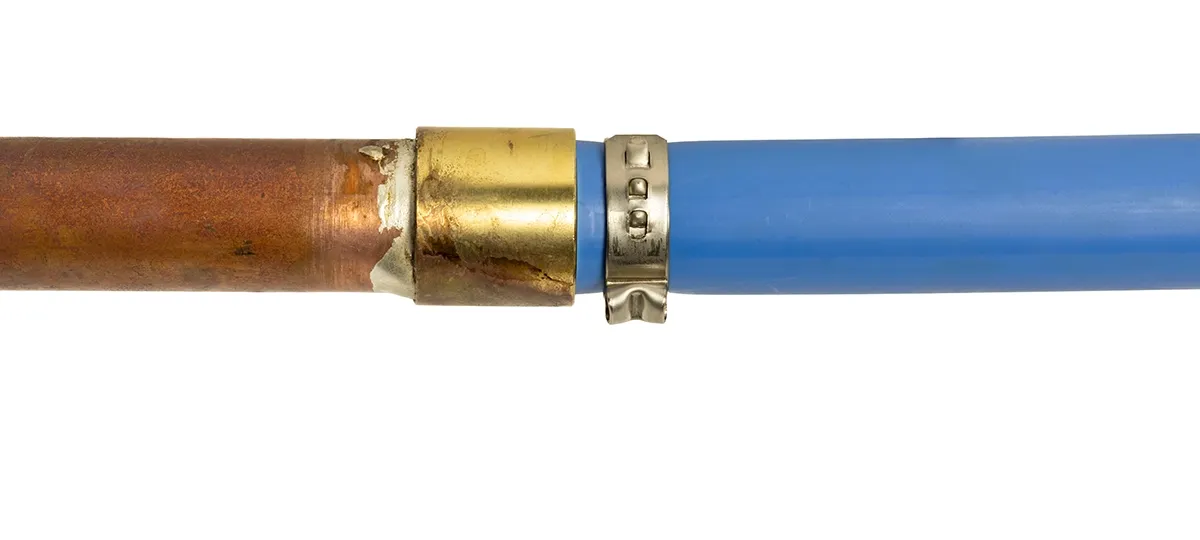
Choosing between copper pipe vs PEX pipe can feel complicated when you are planning a repair, remodel, or whole-home repipe. Both materials can provide reliable water distribution when installed correctly. However, their cost, flexibility, installation requirements, and long-term performance differ. For homeowners in Gastonia, Charlotte, and Monroe, the best choice often depends on the home’s age, layout, water conditions, and budget.
Copper has been used in residential plumbing for decades. It is rigid, durable, and familiar to many homeowners. PEX, or cross-linked polyethylene, is flexible plastic tubing used for hot and cold water lines. Because it bends around obstacles, PEX can often reduce the number of fittings needed during installation.
Neither material is automatically right for every property. Therefore, understanding the differences can help you make a more informed decision.
Copper Pipe vs PEX Pipe: Quick Comparison
When comparing copper pipe vs PEX pipe, homeowners usually focus first on durability and cost. Both materials can perform well for many years. However, they reach that goal in different ways.
Copper is a rigid metal piping material. It handles high temperatures well and does not have the same sunlight limitations as PEX. Additionally, its rigid structure can be useful in exposed or carefully organized plumbing areas.
PEX is flexible and easier to route through walls, floors, crawl spaces, and other tight areas. Consequently, an installer may need fewer elbows and fittings. Fewer connections can also mean fewer potential leak points when the system is installed properly.
PEX does not corrode like metal piping. Copper, meanwhile, can develop corrosion or pinhole leaks under certain water conditions. Therefore, the condition of your water supply should be considered before choosing a material.
Copper Pipe vs PEX Pipe: Cost and Installation
Cost is one of the biggest differences between these materials. In many projects, PEX has a lower material cost than copper. Installation can also require less labor because the tubing is flexible.
Copper installation is usually more involved. Each rigid section must be measured, cut, fitted, and connected correctly. Additionally, routing copper through an existing home may require more access to walls or ceilings.
PEX can often be pulled through areas that would be harder to reach with rigid pipe. As a result, it may be especially practical for repiping older homes.
Still, the lowest upfront price should not be the only consideration. Pipe size, access, fixture count, and the existing plumbing layout all affect the final estimate.
If several supply lines are failing, repiping may be more practical than repeatedly repairing individual sections.
How Durability Differs Between Copper and PEX
When evaluating copper pipe vs PEX pipe for durability, both materials can provide long service lives. However, the conditions surrounding the piping make a major difference.
Copper does not have the same UV sensitivity as PEX. It also has a long history in residential plumbing. However, copper is still vulnerable to certain forms of corrosion.
Water chemistry can affect metal piping over time. Therefore, unexplained blue-green staining, pinhole leaks, or repeated copper failures deserve professional evaluation.
PEX does not rust or develop metal corrosion. Additionally, its flexibility allows it to tolerate some movement that rigid piping cannot. That can be useful in homes where pipes run through crawl spaces or complex framing.
PEX is also more tolerant of freezing conditions than rigid copper. However, no plumbing pipe should be considered freeze-proof. Proper insulation and cold-weather protection are still important.
Copper Pipe vs PEX Pipe and North Carolina Code
A plumbing material must do more than fit your budget. It also needs to meet applicable installation and drinking-water requirements.
The North Carolina Plumbing Code recognizes both copper and cross-linked polyethylene for water distribution when products meet the required standards. The code also lists specific standards for approved piping and fittings.
Therefore, homeowners should not assume that one material is automatically more code-compliant than the other. Proper product selection and professional installation matter more.
Federal drinking-water requirements matter as well. The U.S. Environmental Protection Agency’s lead-free plumbing requirements apply to pipes, fittings, fixtures, solder, and other covered plumbing products used for drinking water.
Because plumbing codes and product requirements can change, installation should follow the standards in effect when the work is performed.
Which Material Works Better in Gastonia, Charlotte, and Monroe?
Homes throughout Gastonia, Charlotte, and Monroe vary widely in age, construction, and plumbing design. Because of that variety, the copper pipe vs PEX pipe decision can differ from one home to another.
PEX often works well for whole-home repiping because it can be routed through existing structures efficiently. It may also reduce the number of fittings required in complicated layouts. Homeowners considering PEX should also understand the differences between PEX A and PEX B before choosing a system.
Copper may be preferred in certain exposed areas or installations where a rigid material makes more sense. Additionally, some homeowners simply prefer copper because of its long track record.
The existing piping matters too. Older properties may contain galvanized steel or polybutylene that is already showing signs of deterioration. If polybutylene pipes are present, a plumber can evaluate the system and explain the available replacement options.
Ultimately, the right choice depends on the specific house rather than the city alone. A professional inspection can identify factors that may not be obvious from visible plumbing.
Water Quality Can Affect the Decision
Water chemistry is sometimes overlooked in a copper pipe vs PEX pipe comparison. However, it can influence long-term plumbing performance.
Copper can react with certain water conditions and eventually develop corrosion. Therefore, recurring pinhole leaks should not automatically be treated as isolated problems.
A plumber may need to look at the wider system. Water pressure, pipe age, and water chemistry can all contribute to repeated failures.
PEX avoids metal corrosion, which can make it attractive when corrosion has already affected older piping. However, the tubing, fittings, and connection method still need to be compatible and properly installed.
Additionally, installation quality can affect either material. Incorrect pipe sizing may restrict water flow. Poorly made connections can also create hidden leaks.
Ultimately, material quality and installation quality work together. Even a good pipe material can develop problems if it is incorrectly sized, poorly supported, or improperly connected.
When Should You Replace Existing Plumbing?
A single leak does not always mean your entire home needs new piping. However, repeated failures can point to a larger system problem. In those situations, comparing copper pipe vs PEX pipe may become part of a larger repiping decision.
Watch for frequent leaks in different areas of the home. Also, pay attention to unexplained drops in water pressure, discoloration, or visible corrosion.
Older plumbing materials can influence the decision as well. For example, widespread galvanized steel or aging polybutylene may justify a broader replacement plan.
A professional inspection can help determine whether the problem is isolated or system-wide. Therefore, you can avoid replacing good piping unnecessarily while addressing sections that are becoming unreliable.
For a major renovation, it can also make sense to evaluate supply lines while walls are already open. Doing so may reduce future disruption.
Additionally, homeowners buying an older property may want to identify the piping material before closing. Knowing what is behind the walls can help you plan future plumbing upgrades.
Which Is Better: Copper or PEX?
For many homeowners, the answer depends on priorities.
PEX often stands out for flexibility, installation efficiency, corrosion resistance, and lower project costs. Therefore, it is frequently a strong option for repiping and remodeling.
Copper remains a dependable choice in many applications. It offers rigidity, temperature tolerance, and a long history of residential use. However, it usually costs more to install and can be affected by corrosive water conditions.
When comparing copper pipe vs PEX pipe, the best material is the one that suits your specific plumbing system. Your home’s layout, water quality, existing pipes, and budget should all be considered.
Superior Plumbing & Drains serves homeowners throughout Gastonia, Charlotte, Monroe, and surrounding communities. We can inspect your plumbing, explain your material options, and recommend an installation plan based on your home.
Contact Superior Plumbing & Drains today to schedule a plumbing evaluation. We can help determine whether copper, PEX, or another solution makes the most sense for your property.
Frequently Asked Questions
Is PEX better than copper for home plumbing?
PEX is often better when flexibility, installation efficiency, and corrosion resistance are priorities. Copper may work better for certain exposed or rigid installations. The best choice depends on your home, water conditions, and project requirements.
Does PEX last as long as copper?
Both PEX and copper can provide long-term service when properly installed. However, actual lifespan depends on water chemistry, pressure, installation quality, environmental conditions, and maintenance.
Is PEX allowed in North Carolina homes?
Yes. North Carolina plumbing rules recognize qualifying PEX products for water distribution systems. The tubing and fittings must meet applicable standards and installation requirements.
Which is cheaper when comparing copper pipe vs PEX pipe?
PEX is generally less expensive to purchase and install than copper. Its flexibility can also reduce labor and the number of fittings needed. However, final costs depend on home size, access, pipe routing, and fixture count.
More Solutions
Why you need our superior services
-
 Thank you to both Scott and Brendon. They did a great job taking care of my issue. In addition, they went the extra mile to ensure things were work as they should and planned a follow up the next day to ensure everything is still good. I’ve been using Superior Plumbing for over 8 years. I would highly recommend Tim and his team because they care about great customer satisfaction as well as the community!!
 -
When I needed a plumber due to a water issue at my home, Superior was the only company who not only responded with the quickest appointment time but called to let me know that due to a cancellation they were able to come even sooner. I especially appreciated the text message I received prior to the technician arriving, showing me his picture as well as his name. Walker, the technician, was professional, highly knowledgeable, and …Read All Reviews
-
Thank you Superior for such prompt, reasonable, professional service when we were without water. You are worthy of your name! We will be sharing our experience at Superior with friends that may need plumbing or well services in the future.
-
We discovered a slow water line leak in our home that was starting to damage our flooring so we needed help right away. I did not have prior experience with Superior Plumbing & Drains in the past, but reached out to them for help. They were able to schedule an appointment with me quickly. The responding Technician, Walker, was very professional and courteous and took the time to explain the problem and repair to …Read All Reviews
-
I had an emergency plumbing situation in my short-term rental & Superior Plumbing went above and beyond to help me out in a time pinch. The staff was KIND, HONEST, & thorough, without price gouging! I would HIGHLY recommend to anyone!
-
They were able to respond quickly when our water heater quit working. One of their plumbers came to the house, inspected heater, recommended replacement and explained clearly why he was recommending replacement. He then gave options of different prices and types of heaters. Once we made our choice they completed the work the next day. I would recommend this company without a question.


Superior Solutions for every drain In Charlotte, NC and surrounding areas.
We provide family-oriented plumbing solutions for all your needs in Charlotte, NC, and surrounding areas. From drain cleaning and plumbing repairs to water heaters, jetting, and filtration systems, our team is available 24/7 to assist you.
 For immediate service, call (980) 372-7151.


Budget-friendly financing for your plumbing needs