Water Heater Making Loud Popping Noises in Dallas, NC: Causes

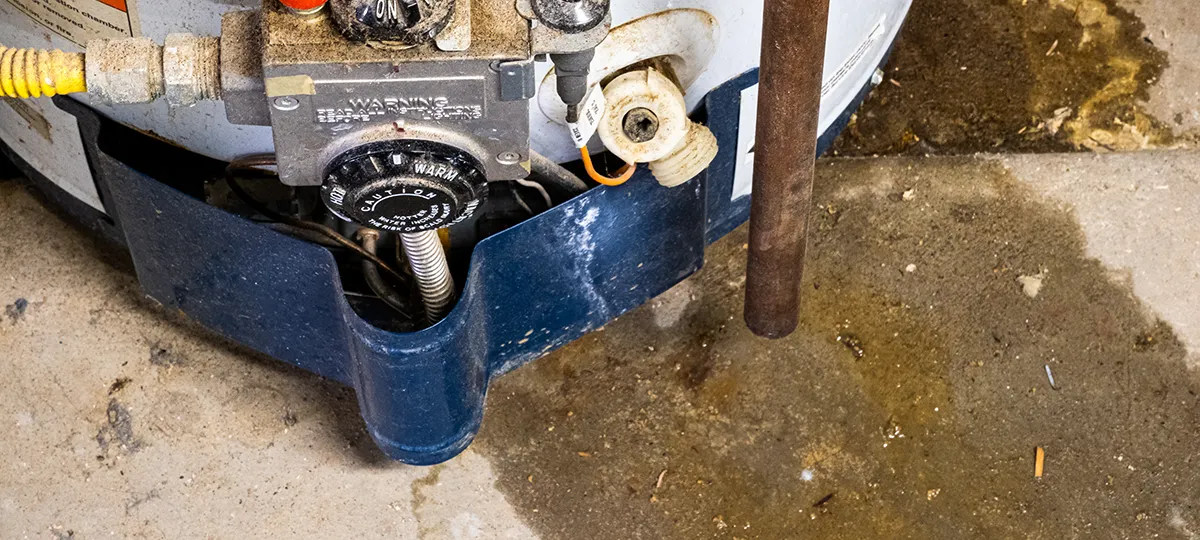
Is your water heater making loud popping noises in Dallas, NC? Those sounds, like boiling water or kernels popping, almost always mean sediment has built up on the bottom of the tank. When water gets trapped beneath that sediment, it boils and explodes free with each heating cycle. While sediment buildup is the immediate cause, the real question is what allowed it to accumulate in the first place. Hard water, a missing or faulty flush schedule, a failing anode rod, or even incorrect temperature settings can all accelerate sediment collection. They turn a minor maintenance issue into cracked tank walls, leaks, and total water heater failure. That’s why we don’t just drain the tank, we inspect the entire system to find out why the sediment formed and what damage may already be underway.
Why Your Water Heater Is Making Loud Popping Noises
Loud popping or rumbling from your water heater is almost always caused by sediment buildup at the bottom of the tank. As minerals in your water supply settle and harden over time, they trap pockets of water beneath them. When that water heats up and bursts through the sediment layer, you hear the popping. But that sediment didn’t appear overnight. It’s a symptom of a larger issue with your system’s maintenance history, your water quality, or even your anode rod failing to protect the tank. If you’re experiencing a water heater making loud popping noises in Dallas, NC, it’s important to understand the underlying causes before the problem escalates.
For authoritative guidance, consult EPA WaterSense – Home Maintenance.
When we respond to popping noises in Dallas, NC homes, we look beyond the noise itself. Most homeowners haven’t flushed their tank in years. Others have particularly hard water that accelerates mineral deposits. A failing anode rod, the sacrificial component that protects your tank from corrosion, can also allow sediment to cake onto the steel more aggressively. If the buildup is thick enough, it acts as an insulating layer between the burner and the water. That forces your heater to run hotter and longer just to meet demand. The overheating stresses the tank walls, weakens seams, and can eventually lead to leaks or catastrophic failure.
Replacing a water heater without addressing why the sediment accumulated so heavily means your new unit will face the same fate. We inspect the condition of the anode rod and test your incoming water hardness. We also check the temperature-and-pressure relief valve. We assess whether the tank is still safe to flush or if replacement is the smarter call. Catching the root cause now protects your investment and prevents an emergency leak down the road.
What Causes Sediment to Build Up in Your Dallas, NC Water Heater
When you hear loud popping noises from your water heater, sediment at the bottom of the tank is usually the symptom. But the real question is what keeps putting that sediment there. In Dallas, NC, the underlying causes are often hard water, temperature settings that accelerate mineral drop-out, and maintenance gaps that let the problem compound over time.
Understanding these root causes helps explain why simply draining the tank once might quiet the noise temporarily. Even so, it won’t stop the noise from coming back if the conditions remain unchanged.
The three main causes of sediment buildup are:
- Hard water and mineral content, Dissolved calcium and magnesium precipitate out when heated and settle at the bottom of the tank.
- Temperature settings and heating cycles, Thermostats set too high accelerate mineral drop-out and bake sediment into hard layers.
- Skipped annual maintenance, Years without professional flushing allow scale to harden and grow thick enough to trap steam bubbles.
Hard Water and Mineral Content
Our local water supply carries dissolved minerals, primarily calcium and magnesium. When that water enters your tank and heats up, the minerals fall out of solution and settle as sediment. Homes with untreated hard water see faster accumulation. Over months or years the layer grows thick enough to trap steam bubbles beneath it.
Those bubbles escape with the popping sound you’re hearing. A water softener or filtration system upstream can slow mineral deposit, but many homes don’t have one in place.
Temperature Settings and Heating Cycles
Water heaters set above 120–130 degrees cause minerals to precipitate faster. Higher temperatures also cause the heating element or burner to cycle more often. That bakes sediment onto the tank floor and makes it harder and denser. When we inspect a noisy tank, we check the thermostat setting and the condition of the heating elements. Both drive how quickly sediment forms and hardens.
Skipped Annual Maintenance
Removing accumulated sediment through annual flushing helps improve water heater efficiency and extends the life of your unit. When that routine maintenance is skipped for several years, even a small amount of mineral each month builds into inches of rock-hard scale. At that point, professional sediment removal may not clear it all.
The trapped sediment continues generating noise and stress on the tank. We evaluate whether a flush will solve the problem or whether sediment damage has already progressed too far.
What Happens If You Ignore Popping Noises
When you ignore popping noises from your water heater, the sediment layer at the bottom of the tank continues to harden and thicken. That layer forces the heating elements or burner to work harder and stay on longer to push heat through the mineral barrier. Over time, that accelerates wear on those components. The repeated expansion and contraction of trapped steam pockets weakens the steel tank itself. It creates microscopic cracks that eventually become pinhole leaks or larger ruptures.
The stress on the tank doesn’t stop there. As the heating cycle runs longer to compensate for lost efficiency, the temperature and pressure inside climb higher than the system was designed to handle. The temperature-and-pressure relief valve (T&P valve) may start to weep or discharge. In severe cases the valve can fail entirely, leaving no safety outlet for dangerous pressure buildup. We’ve responded to calls where a neglected water heater flooded a basement or utility closet with dozens of gallons before the homeowner discovered the leak.
Replacing the water heater alone won’t solve the underlying cause. If hard water, high incoming sediment, or incorrect temperature settings created the problem in the first place, the new unit will follow the same path. When we inspect a failing water heater in Dallas, NC, we test the water quality and check the anode rod. We measure inlet pressure and verify thermostat calibration so the replacement starts with a clean baseline. That way the conditions that caused the popping are corrected.
When to Call Superior Plumbing and Drains
If your water heater is making loud popping noises in Dallas, NC, the safest step is to schedule a professional inspection. Popping or rumbling typically signals sediment buildup or pressure trouble, and both conditions get worse over time. When sediment keeps baking onto the tank floor, the layer thickens and heat efficiency drops. You’re burning more energy to get less hot water. Eventually the overheating can weaken the steel and lead to a leak. If the noise started suddenly or is paired with temperature swings, reduced hot water, or visible moisture around the base, don’t wait. Those are signs the system is under stress.
We respond to homes across Dallas, NC, and bring the tools to diagnose the root cause on the first visit. Our licensed plumbers check the pressure-relief valve and test inlet and outlet connections. They also inspect the anode rod and measure sediment depth. If a flush will restore quiet operation, we complete it the same trip. If we find a worn component or pressure imbalance, we’ll walk you through your options before starting any work. We stand behind our repairs with a workmanship warranty, and we offer flexible financing to make larger jobs manageable.
Contact Superior Plumbing and Drains to schedule your water-heater inspection. Catching sediment early protects your investment and keeps your energy bills in check. Plus, it gives you reliable hot water for years to come.
Frequently Asked Questions
Why is my water heater making loud popping noises in Dallas, NC?
Sediment buildup at the bottom of your tank traps pockets of water that boil and burst through the mineral layer. That creates the popping sound. Hard water in Dallas, NC accelerates mineral deposits, especially when the heater hasn’t been flushed regularly. We inspect the anode rod, test water hardness, and check temperature settings.
Can I fix a popping water heater myself?
Sediment flushing requires knowing whether the tank is already weakened, whether the drain valve will reseat, and what pressure and temperature conditions exist inside. Our technician brings the diagnostic tools to measure sediment depth and test the relief valve. We also inspect for cracks or corrosion before any work begins. Contact us for a professional inspection and estimate.
What happens if I ignore my water heater making loud popping noises?
The sediment layer hardens and forces the heating element to run hotter and longer. That weakens tank walls and can create leaks. Repeated expansion from trapped steam cracks the steel over time, and the pressure-relief valve may fail. We’ve responded to flooded basements when neglected tanks ruptured, so schedule an inspection before a small noise becomes an emergency.
Will replacing my water heater stop the popping noise in Dallas, NC?
A new water heater will be quiet at first. Yet if hard water, high temperature settings, or skipped maintenance caused the sediment originally, the same buildup will happen again. We test your incoming water and check pressure and thermostat calibration. We also recommend treatment or maintenance steps so your replacement unit lasts. We provide a detailed estimate and financing options.
More Solutions
Why you need our superior services
-
 Thank you to both Scott and Brendon. They did a great job taking care of my issue. In addition, they went the extra mile to ensure things were work as they should and planned a follow up the next day to ensure everything is still good. I’ve been using Superior Plumbing for over 8 years. I would highly recommend Tim and his team because they care about great customer satisfaction as well as the community!!
 -
When I needed a plumber due to a water issue at my home, Superior was the only company who not only responded with the quickest appointment time but called to let me know that due to a cancellation they were able to come even sooner. I especially appreciated the text message I received prior to the technician arriving, showing me his picture as well as his name. Walker, the technician, was professional, highly knowledgeable, and …Read All Reviews
-
Thank you Superior for such prompt, reasonable, professional service when we were without water. You are worthy of your name! We will be sharing our experience at Superior with friends that may need plumbing or well services in the future.
-
We discovered a slow water line leak in our home that was starting to damage our flooring so we needed help right away. I did not have prior experience with Superior Plumbing & Drains in the past, but reached out to them for help. They were able to schedule an appointment with me quickly. The responding Technician, Walker, was very professional and courteous and took the time to explain the problem and repair to …Read All Reviews
-
I had an emergency plumbing situation in my short-term rental & Superior Plumbing went above and beyond to help me out in a time pinch. The staff was KIND, HONEST, & thorough, without price gouging! I would HIGHLY recommend to anyone!
-
They were able to respond quickly when our water heater quit working. One of their plumbers came to the house, inspected heater, recommended replacement and explained clearly why he was recommending replacement. He then gave options of different prices and types of heaters. Once we made our choice they completed the work the next day. I would recommend this company without a question.


Superior Solutions for every drain In Charlotte, NC and surrounding areas.
We provide family-oriented plumbing solutions for all your needs in Charlotte, NC, and surrounding areas. From drain cleaning and plumbing repairs to water heaters, jetting, and filtration systems, our team is available 24/7 to assist you.
 For immediate service, call (980) 372-7151.


Budget-friendly financing for your plumbing needs